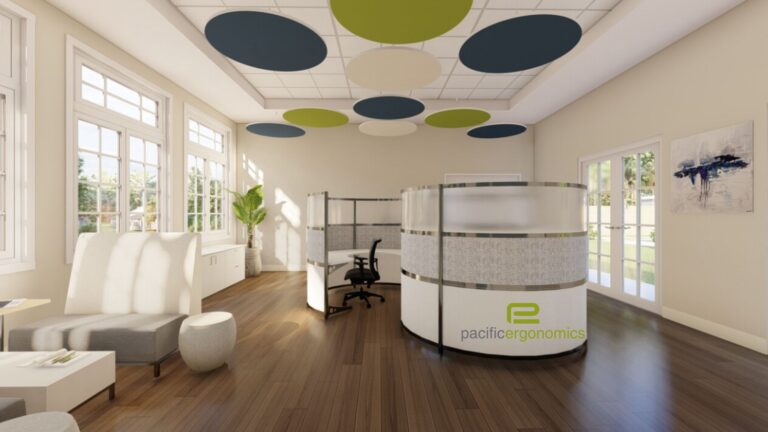
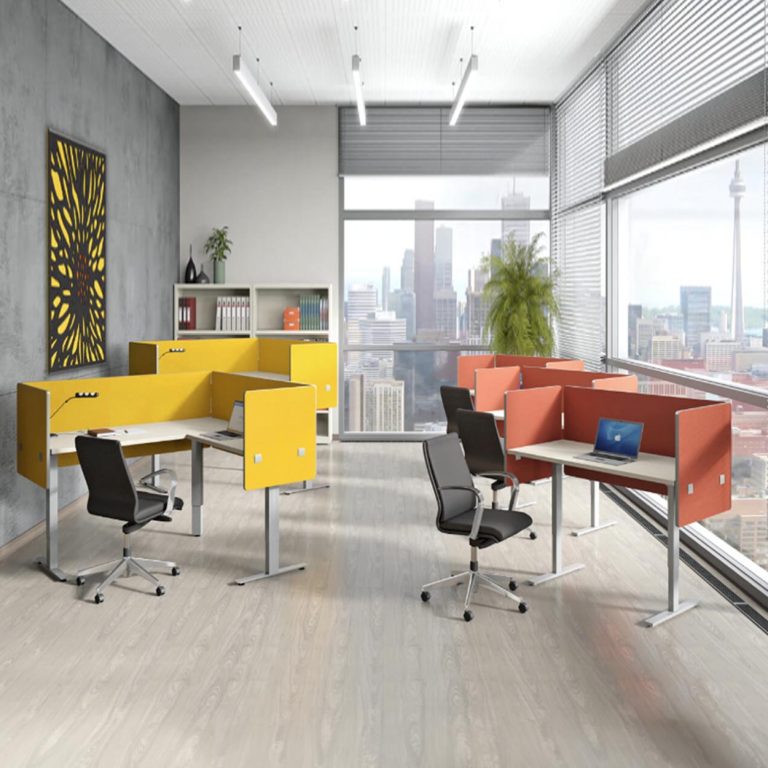
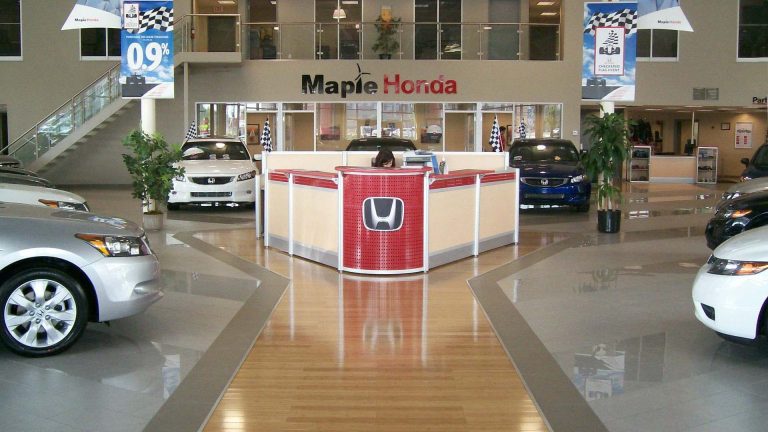
Demountable glass walls are a practical and affordable solution when it comes to dividing large spaces into smaller sections. These walls are made up of individual acoustic panels with glass that can be easily dismantled, moved, and reinstalled without any damage to the surrounding infrastructure. When compared to drywall, modular glass walls are less expensive, more attractive, and more flexible long-term.
In this timeless battle of convenience, demountable glass walls emerge as a savior. An architectural marvel, these versatile panels present an ever-adapting sanctuary of aesthetics. The nimble fingertips of professionals latch the pieces together with the ease of an enchanting melody. Boundaries vanish as light dances through the transparent divide, transforming mere walls into captivating landscapes.
20 Benefits of Demountable Glass Walls Over Dry Wall:
#1. CAN CREATE NEW SPACES QUICKLY AND EASILY:
Are you tired of having an open space that doesn’t offer much privacy? Or you need more offices, or need more huddle rooms for people who are working hybrid or perhaps you need a conference room? With modular glass walls, you can easily transform any area into separate rooms for specific purposes.
Whether you need a conference room or a private office, modular glass walls make it easy to divide your space without taking up more room.
The beauty of this concept is that it creates an illusion of spaciousness, while at the same time giving each area a clear purpose. These walls are the perfect solution for businesses that want to maintain an open-concept space but also value privacy. With this unique concept, you can customize each room to your liking and enhance the overall appearance of your workspace.
#2. LESS HVAC CHALLENGES: Firstly, demountable glass walls don’t require you to reconfigure the HVAC systems and sprinklers in your space. There are many different options and strategies that Pacific Ergonomics can help you with on this topic to greatly diminish any issues around this topic. We can either include a melt-away ceiling that meets fire code, no ceiling with a gap at the top to enable air flow or connect to your ceiling with an air circulation system in your panel.
This can save you thousands of dollars in labor costs and equipment rentals.
- In contrast, drywall requires the disconnection and reconnection of existing systems which can cause significant disruptions to your operations.
#3. NO PERMITS: There are no permits for modular glass walls compared to the arduous time-consuming process of drywall. With drywall, the local authorities will need to assess your construction plans and inspect the work as it is being done. These permits can be costly, and there are no guarantees of how long they will take to be processed.
Demountable glass walls are considered furniture and movable, and permits are not needed at all.
#4. EASY AND FAST INSTALLATION: Drywall installation also takes a significant amount of time, often requiring weeks of downtime, noise, dust, and inconvenience. Adding drywall to your office space can be a time-consuming process. Depending on the size of your space, it could take days or even weeks to complete the project. During this time, you may have to shut down your business operations, causing a loss in revenue, or do expensive overtime work on the weekends. In contrast, demountable walls can be installed much more quickly, reducing disruption to your work.
The same glass modular project that takes drywalls weeks, can be done in a day or two.
#5. NOT MESSY: Drywall installation can be quite messy. The dust and debris created by cutting and sanding can infiltrate other areas of the building and require extensive cleanup. Additionally, workers may need to wear protective gear or vacate the space altogether during installation, which can disrupt business operations and lead to lost revenue.
- Versus modular glass walls are easy, clean, quick, and tidy- no mess, no fuss.Prevent a drywall mess with modular glass walls.
#6. BETTER ACOUSTICS: Adding drywall can also affect the acoustics of a room. If soundproofing is necessary, additional materials and labor may be required, leading to further costs.
- Versus glass modular walls use PET acoustic material inside of the rooms and dual pane glass. There is even an option for an STC-rated 42 or 35 ceiling that further enhances the acoustics to that of acoustic privacy pods.
Depending on how the drywall was installed, typically it is between 29-33. Whereas our glass modular walls can be between 35 STC and 42STC depending on the solution.
#7. MOVABLE AFTER YOUR LEASE EXPIRES: If your business has a lease, why invest in the space that you can’t take with you? Additionally, if your space needs to be reconfigured later on, demountable walls can be disassembled and reinstalled, saving you both time and money. If your business has ever-dynamic changing needs, you can easily move and reconfigure space with modular glass walls.
- Versus drywall, you are investing money into someone else’s building if you have a lease. The money you can’t take with you.
Demountable walls can be dismantled and relocated, which offers greater flexibility and value to your space in the long term.
#8. RECONFIGURE WHEN NEEDS CHANGE: Furthermore, modular glass walls offer flexibility and adaptability. Unlike drywall, which is permanent and costly to change or remove, modular glass walls can be easily moved, added, or modified as per the changing needs of the business. This allows for a more versatile workspace that can evolve along with the organization, without the need for major construction work or disruption.
With modular walls, companies can easily and quickly transform a large conference room into two smaller offices as their needs evolve.
One of the significant advantages of having a modular wall system is that it provides businesses with the ability to change the layout of their space in the future without the need for extensive renovation.
#9. APPLICATIONS THAT NEED TEMPORARY WALLS: Some companies need to reconfigure frequently to satisfy the needs of clients. One example of a company that uses modular walls for different purposes is an art gallery. Art galleries are often in need of temporary walls that can be quickly and easily moved around to create different configurations and displays.
For example, during an art show, a gallery might want to create separate spaces for different artists or art styles. Using modular walls, the gallery can quickly and easily create custom-sized spaces that can be rearranged to fit different layouts as needed.
After the art show, the gallery might want to repurpose the space for a different type of event. Maybe they want to use the space for a corporate event or conference. The modular walls can be quickly changed out and replaced with new walls that fit the new event’s needs. Using modular walls allows the gallery to be versatile and flexible in how they use their space. It also allows them to save time and money by not having to construct new walls each time they need to make a change.
#10. NO CUTTING WALLS: Installing drywall requires cutting into existing walls and surfaces. This can expose underlying issues such as faulty electrical wiring, plumbing leaks, or even mold. Fixing these problems can add significant costs to the project.
There is no cutting needed with glass walls whatsoever- just attaching to the walls.
#11. NO NEED TO ADD MORE CARPET: Installing drywall often leads to having to change out the carpet tiles. When you can’t find a match, very often the entire room is redone.
- This is included with the demountable glass walls with exactly the amount that is needed.
#12. MORE ATTRACTIVE: With demountable glass walls, you have the perfect blend of aesthetics and functionality. Demountable walls come in a wide variety of finishes and colors and can be designed to complement any interior décor style.
Glass and acoustic paneling is more attractive than drywall.
#13. LESS EXPENSIVE: When comparing all of the costs associated with drywall versus modular glass walls, glass walls are far less costly and creates a better-looking room.
It is true that the construction industry is full of mysteries and myths, and the argument about which walling option is more cost-effective between drywall and demountable glass walls is one of them. While the drywall has been a common and reliable choice for a long time, recent innovations in modular glass walls have given rise to a new debate. The cost benefits of demountable glass walls have become a selling point that the drywall simply can’t compete with if you are comparing apples to apples.
For starters, the demountable glass walls require fewer materials than the traditional drywall partitions, resulting in lower production costs. Additionally, the demountable glass walls do not need any jointing compounds, adhesive, or plasterboard to finish the surface. The overall simplicity in design results in reduced labor costs, meaning a lesser bill for your building project.
This type of glass walls also require low maintenance costs, unlike the drywall, which can be susceptible to dents, holes, and scratches.
Furthermore, when you consider the noise-reduction panels that need to be purchased on top of drywall, and the attractive glass that is faster and easier to install, glass modular walls may actually be more cost-effective. Glass walls come with built-in acoustic features that the drywall does not, making it easier and less costly to create private, soundproofed spaces in an open office layout.
It is also important to consider the soft costs of construction, such as having to move sprinklers or HVAC. Down time of the employees, dirt, dusty and debris and the effects on sales and morale.
#14. FASTER AND LESS COSTLY TO IMPLEMENT:
Time is of the essence in any construction project, and the amount spent on labor significantly impacts soft costs. Drywall installation involves a lengthy process, often requiring numerous specialists for an architect or planner, framing, taping, mudding, sanding, and painting.
With each step demanding considerable time, labor costs inevitably escalate.
In contrast, the modular nature of glass walls ensures swift installation, with reduced reliance on skilled labor. By reducing labor requirements, glass modular walls mitigate one of the largest contributors to soft costs.
#15. REDUCED MAINTENANCE TO LOOK SHINY AND NEW:
Maintaining a pristine appearance is paramount in interior design of a business, and regular maintenance is vital to uphold the allure of drywall. From repainting scuffed areas to repairing minor damages, the frequency and expense of these touch-ups significantly increase soft costs over time.
Versus glass modular walls require minimal maintenance, offering remarkable resistance to scratches and stains, thanks to modern technologies like tempered glass and anti-glare coatings. With the burden of maintenance reduced, the overall soft costs decrease substantially.
#16. NO WASTE MANAGEMENT:
Drywall construction brings with it an array of expenses linked to waste management. Drywall remnants, dust, and debris necessitate laborious cleanup processes and proper disposal methods. These expenditures can range from acquiring the necessary cleaning supplies to paying waste management fees, contributing significantly to the project’s soft costs.
Conversely, glass modular walls drastically reduce waste by promoting sustainable practices, easing the burden on the environment and your budget simultaneously.
#17. INCREASE THE SENSE OF SPACE: When connecting multiple offices together, glass and panels can be used to make space look a lot larger than it would with drywall. Additionally, modular glass walls provide the illusion of spaciousness, making even the smallest rooms feel larger and more open. This is in contrast to drywall, which can make a space feel closed off and cramped. By utilizing modular glass walls, businesses can create a sense of unity and connection between different areas, promoting collaboration and a sense of community among employees.
#18. BETTER LIGHTING: The drywall can greatly affect the lighting of a room. Drywall reflects light differently than painted surfaces, so it may be necessary to upgrade the lighting system in order to maintain proper brightness and visibility. This can mean additional electrical work and expenses. Whereas modular glass walls leverage light from the outside creating a brighter and happier work environment.
#19.CAN MAKE EVEN SMALL SPACES FEEL GREAT:
Drywall, particularly in small spaces, could feel confining and claustrophobic. On the other hand, glass modular walls had a much more open feel. The sense of spaciousness and transparency could have a positive effect on employees, increasing productivity and happiness levels. They look modern, beautiful and are acoustic, being comfortable to work in. In the long run, it was a small price to pay for a happy and healthy workforce.
#20. SUSTAINABLE AND REUSABLE: Drywall construction involved using lots of resources like wood and gypsum. The extraction and transportation of these materials added up to a high carbon footprint.
Glass modular walls, on the other hand, were often made from recycled glass and recyclable acoustic PET materials. It was a much more sustainable option, which would make a great impression on environmentally-conscious clients and stakeholders. If you are allocated the glass wall project to your sustainability project, you are in luck. Modular glass walls are reusable, reconfigurable, and eco-friendly.
br
In conclusion, if you are looking to partition your space and want to save time and money, demountable walls are a smart and cost-effective choice that offers a great range of benefits. Call for a free consultation at 619-546-0872. We can ship and install anywhere in the U.S. with full design and installation services.
[/vc_column_text][/vc_column][/vc_row]