
Ergonomics and the Aging Workforce
Ergonomics and the Aging Workforce has never been more critical. With a higher proportion of older employees, companies are recognizing the need to implement comprehensive ergonomic programs that not only enhance productivity but also reduce the frequency of sick days for the older population.
- This article explores how innovative ergonomic solutions can meet the unique needs of an aging workforce and also compares the risks faced by older people to those faced by younger individuals to provide perspective on the differences.
Our aim is to provide information to help ensure that your ergonomics program is designed for people of all ages, ensuring that your workplace remains a model of health and productivity. Join us as we explore the essentials of creating an ergonomic environment that supports employees of all ages, not just the aging workforce. This fosters a culture of well-being and excellence
Ergonomics and the Aging Workforce Demographics:
In today’s rapidly changing work environment, the demographics of the aging workforce are undergoing a significant transformation. As we sail through the second decade of the 21st century, it is estimated that 10,000 people are turning 65 every single day, a trend projected to continue unabated until 2030. This unprecedented shift towards an aging workforce is poised to challenge employers and employees a like in myriad ways. Yet, amidst this demographic tidal wave, the crucial role of ergonomics spans beyond the realm of those nearing retirement age, touching every corner of the workplace.
Ergonomics, or the science of designing the workplace considering the capabilities and limitations of workers, has traditionally been associated with the older segment of the workforce being a higher risk. The prevailing notion was that with age comes a heightened vulnerability to physical ailments, thereby necessitating a greater focus on ergonomic interventions. While there is truth to this, such a viewpoint only skims the surface of a much deeper reality.
Statistics of Sick Days for Ergonomic Injuries for all Ages:
Recent statistics have highlighted a concerning trend across all age groups within the workforce regarding ergonomic injuries and time off as a result. When analyzing an ergonomics program design for all ages, it was found that people over 55 take only three more days off due to ergonomic injuries than those who are 35. That is not a significant difference. While ergonomics for the aging workforce are important, they are essential for all ages.
The Average Days Away from Work Due to MSDs Offer a Revealing Looking into how ergonomic risks impact the entire workforce:
– Ages 20-24: Individuals in this age group average approximately 6 days away from work due to MSDs.
– Ages 25-34: This group sees a slight increase, with an average of 7 days away from work.
– Ages 35-44: The trend continues upward, with individuals in this bracket averaging 8 days away.
– Ages 45-54: Employees within this range average 10 days away due to MSDs.
– Ages 55-64: As workers approach retirement, the days away from work peak at an average of 11 days.
– Ages 65 and older**: Despite potentially reduced work hours, this group averages around 10 days away, underscoring the pervasive nature of ergonomic risks.
Reports indicate that musculoskeletal disorders (MSDs), which include conditions such as carpal tunnel syndrome, tendinitis, and back injuries, account for a significant portion of work-related injuries across various sectors. Alarmingly, these conditions affect individuals regardless of age
Older People Take More Time Off For Other Reasons:
These statistics show that while there might be a slight increase in days away from work due to ergonomic injuries as age progresses, the difference is minimal. This indicates that ergonomic risks are indeed a widespread concern, affecting employees of all age groups, not just those nearing or exceeding retirement age.
Moreover, statistics can be misleading, as there are other factors influencing time off by age group.
- For instance, a 25-year-old might hesitate to tell a supervisor about their discomfort, fearing job loss.
- In addition, older individuals tend to be more knowledgeable about rules and processes. They are more likely to know the company policy of speaking up, versus a younger person does not.
- Evidence shows that younger people typically don’t express their pain, or what we call “discomfort” as openly as older individuals. This could explain why a 65-year-old might take 10 days off due to an ergonomic injury, while a 24-year-old might only take 6 days. It’s possible that the 24-year-old is working in discomfort without speaking up, putting themselves at risk of their discomfort developing into a more serious problem MSD injury.
- Research also indicates that younger individuals often try to work through pain rather than inform their supervisor, fearing it might negatively impact their career. This mindset or company culture increases the organizational risk of ergonomic injuries. These factors combined could account for the 3 day difference, versus their actual age difference.
Unique Challenges Facing Ergonomics and the Aging Workforce:
In today’s fast-paced work environment, developing an ergonomic program that includes considerations of ergonomics and the aging workforce is not just beneficial—it’s essential. As the workforce ages, businesses must adapt to ensure a comfortable, safe, and productive environment for their employees. Here’s a sophisticated and inviting guide to help you craft an ergonomic program that embodies innovation and quality for an older workforce. However, please note, the same consideration should be analyzed for a younger workforce too and their unique needs.
Understanding the Product Needs and Ergonomics and the Aging Workforce:
The first step in designing an ergonomic program is understanding the unique needs of the demographics at your company, and if it includes older employees. As individuals age, they may experience changes in vision, hearing, strength, and flexibility. Addressing these changes through ergonomic solutions can enhance their work experience and productivity. This is where our wide range of innovative products comes into play, providing solutions that cater to these evolving needs with authority and confidence.
Ensure the correct ergonomic products are implemented with expert guidance:
Pacific Ergonomics offers a wide range of ergonomic products tailored for the aging workforce.
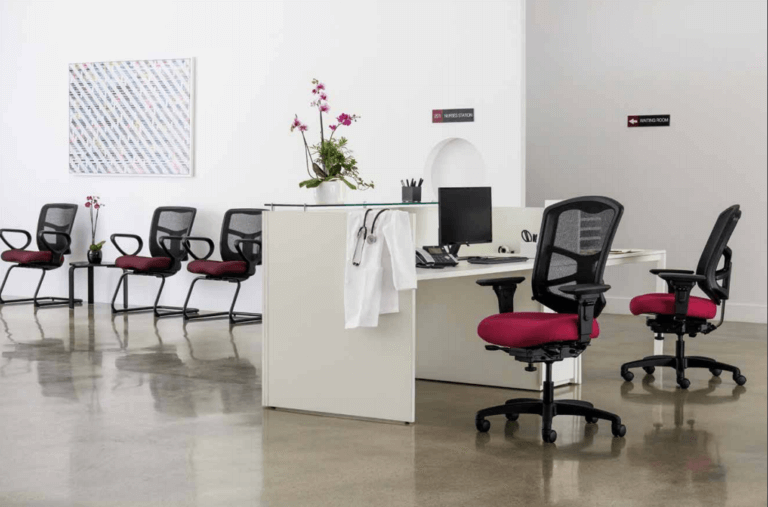
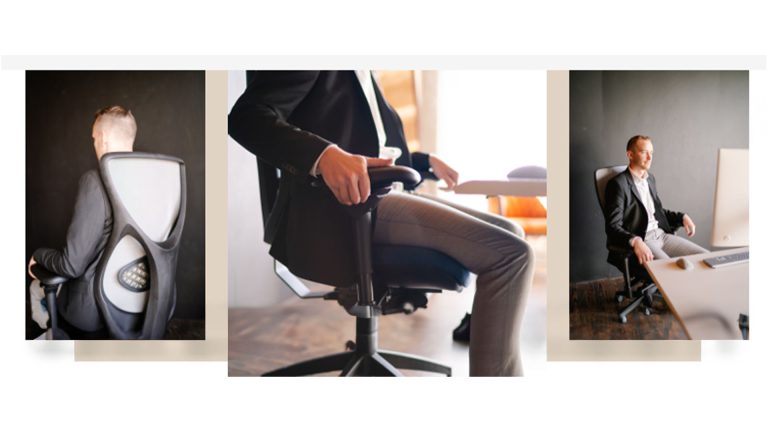
- Ergonomic chairs with petite, standard, tall, wide and big and tall seat pan sizes are essential to ensure the correct fit.
- Older adults benefit from more supportive cushioning in their chairs.
- Adjustable monitor arms are crucial for older adults and anyone who wears glasses. While some may manage with a basic monitor stand, changing prescriptions over time make it vital to adjust the monitors closer or farther away as needed. Needs and eyesight continually changes over time.
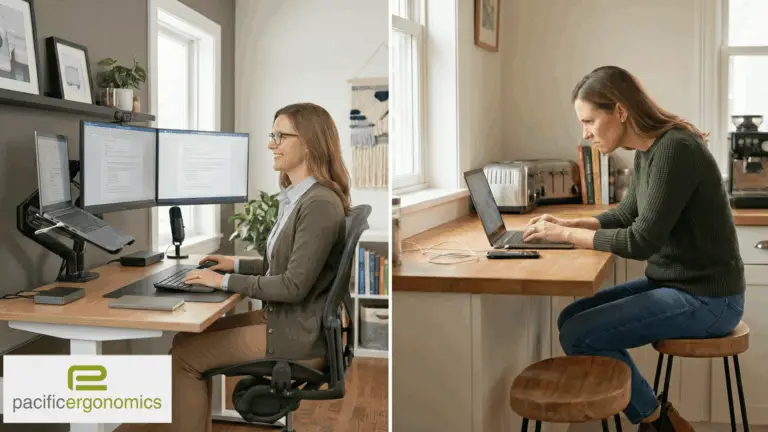
- The right adjustable desk and correct ergonomic posture is key for promoting circulation, movement, and proper hand posture.
- Ergonomic keyboards and mice are also important. IT departments often provide standard keyboards and mice to all employees, which are not ideal for any age. This often leads to discomfort complaints or injuries, requiring costly duplicated replacements. Addressing this correctly the first time saves money and prevents issues with all age brackets.
Click here for an example of some of the ergonomic accommodations available. Our team provides a customized ergonomic
Best Practice Ergonomic Steps for All Ages:
These statistics underline a critical point: ergonomic risks and their ensuing consequences are a universal issue, transcending age groups. The changing demographics of the workforce merely amplify the need for comprehensive ergonomic practices that cater to all employees. Incorporating ergonomic solutions not only enhances productivity but also significantly reduces the incidence of workplace injuries, thereby fostering a healthier, more vibrant workforce.
As the workforce demographics continue to evolve, it becomes imperative for employers to recognize and adapt to the changing needs of their employees. This entails:
– Conducting regular ergonomic office assessments, lab ergonomic assessment or industrial assessments: Tailoring workplace design to fit the diverse needs of an intergenerational workforce.
– Providing ergonomic training programs and education: Equipping employees with the knowledge to identify potential ergonomic risks and implement preventive measures.
– Encouraging active participation: Involving employees in the process of identifying and mitigating ergonomic hazards fosters a culture of safety and wellbeing.
– Investing in adaptive technologies: Utilizing ergonomic tools and equipment can drastically reduce the physical strain on employees, irrespective of their age.
The Path Forward:
As the old adage goes, (no pun intended) an ounce of prevention is worth a pound of cure. In the context of ergonomics and the aging workforce juxtaposed against the universal implications of ergonomic risks, this wisdom has never been more relevant. The demographic shifts beckon a proactive approach to workplace ergonomics, transcending traditional age considerations. By acknowledging and addressing the ergonomic needs of all employees, organizations can pave the way for a healthier, more productive workforce well into the future.
In conclusion, while the demographics of the workforce may be changing, the fundamental need for ergonomic practices remains steadfast. The emphasis on ergonomics today is not just a response to an aging workforce; it is a critical component of a holistic strategy aimed at safeguarding the health and well-being of every individual within the workplace. As we look ahead, the incorporation of robust ergonomic practices across all age groups stands as a non-negotiable cornerstone for the future of work.
Call Pacific Ergonomics for Ergonomic Program Development Consulting, ergonomic assessments or leveraging our ergonomic product catalog and procurement services to support your employees.
Annie Berzanski
CEO
Pacific Ergonomics
619-546-0872
www.pacificergo.com