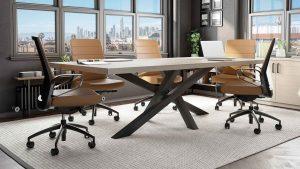
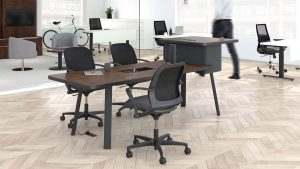
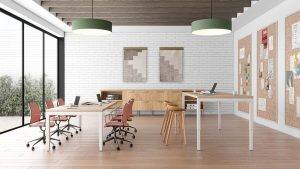
A meeting room table and a conference table both serve the primary function of providing a space for group discussions and collaborative activities. However, there are some distinct differences between the two. A meeting room table is typically designed for smaller, more informal gatherings and can vary in size and shape, making it suitable for a variety of settings and purposes. Meeting room tables are often found in casual office spaces or small meeting rooms and are used for team meetings, brainstorming sessions, and small group discussions.
On the other hand, a conference table is generally larger and more formal, designed to accommodate more people, and is often used in executive boardrooms or larger conference rooms. Conference tables are usually rectangular or oval in shape, providing ample surface area for documents, laptops, and other meeting materials. They are often equipped with built-in technology features like power outlets, data ports, and audiovisual connections to facilitate presentations and video conferencing. The design and materials of a conference table also tend to be more polished and professional, reflecting the formal nature of the meetings held around it.