Psychology of Office Design: Why Thoughtful Spaces Make People Feel Good, Focus Better, and Perform Stronger
Psychology of office design is more than just pretty furniture. It’s about creating environments that support how people think, feel, and act every day. When a workplace is crafted with psychological needs in mind, autonomy, comfort, identity, focus, and wellbeing taking into consideration, employees don’t just work better, they feel better at work too.
Below, we explore what research tells us about how design impacts employees on a human level — and what it means for modern offices, private offices, and workstations.
1. People Need Control and Choice
One of the strongest psychological drivers of workplace satisfaction is control over the environment.
Studies show that:
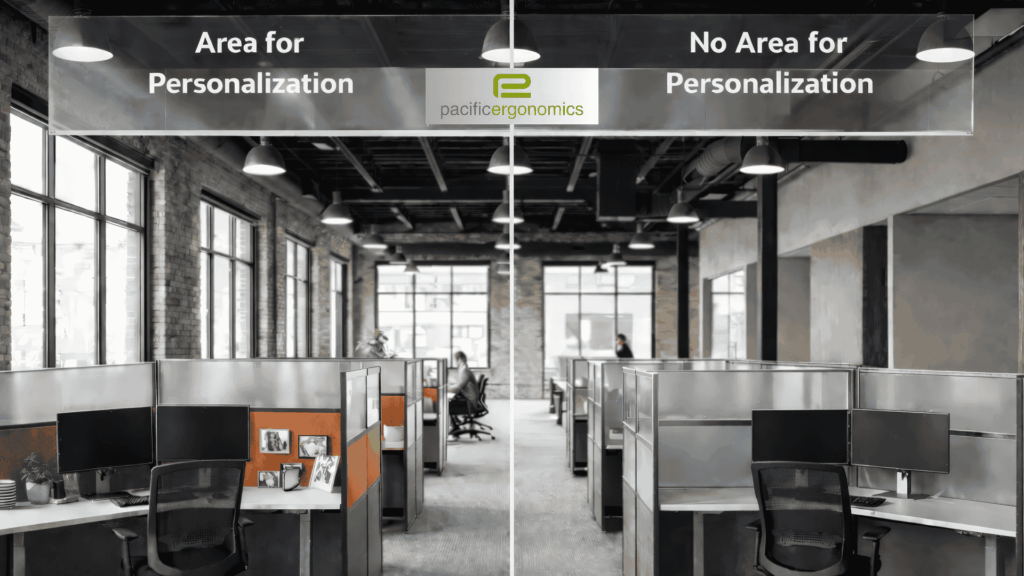
- Simple design elements like having a tackable space that can be personalized for employees change how a space feels.

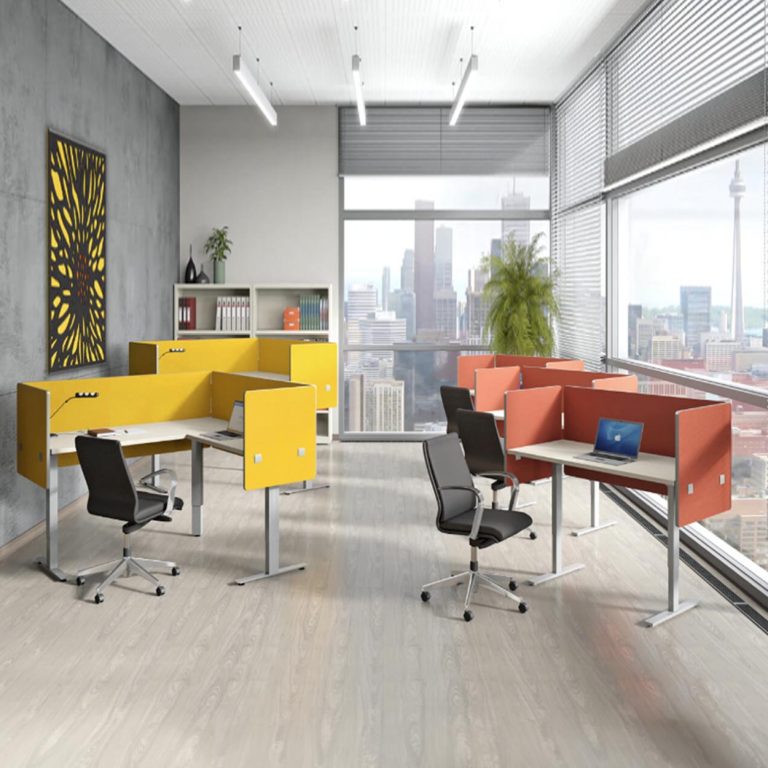
The furniture on the left was the same investment cost as the right. However, the left side enabled employees to personalize and make the space with a colorful tackable area. The option on the right did not. Which would you prefer to work in?
- Employees report much higher satisfaction in workplaces that offer choice in where and how they work (like quiet zones, collaboration spaces, or focused desks). This sense of agency correlates with better engagement and loyalty.
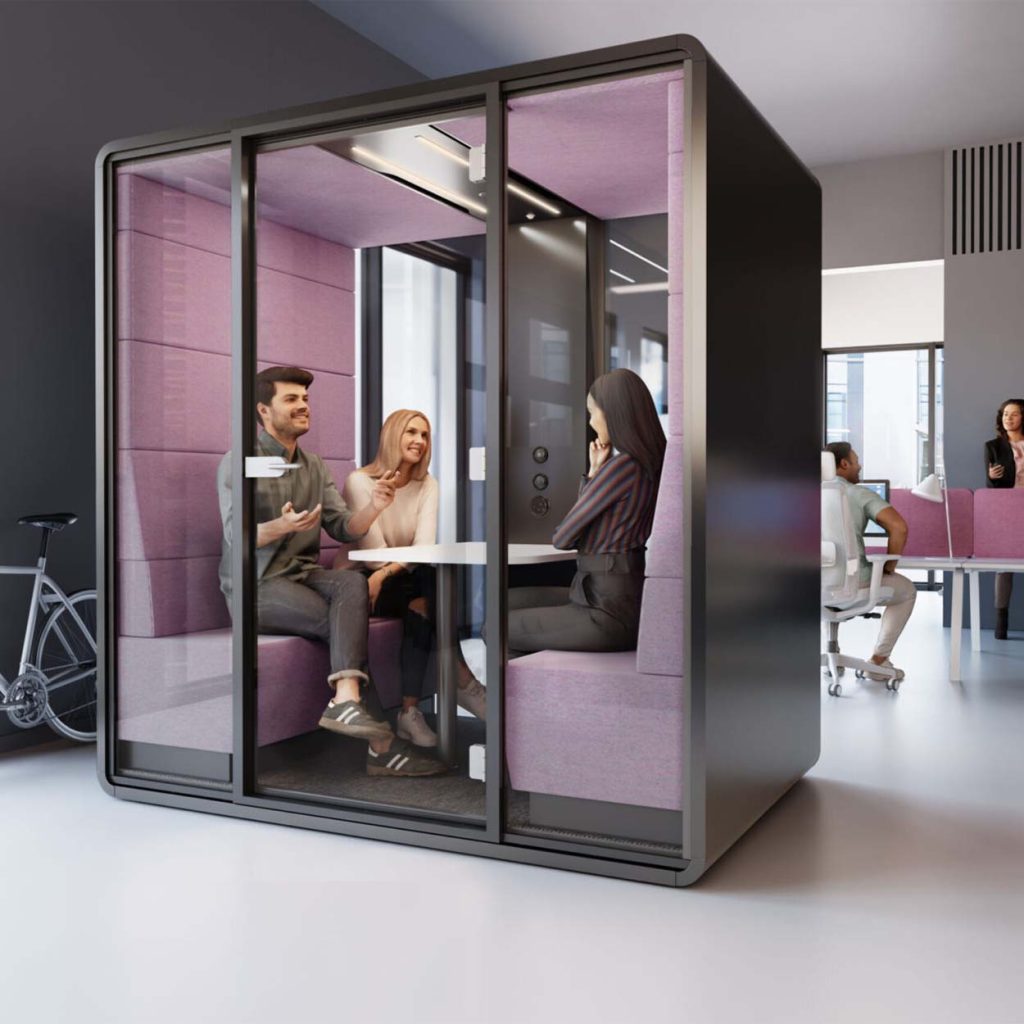
Giving people options in where and how they work such as acoustic pods for phone calls, dedicated cubicles for focused individual work, and huddle areas for conversation, signals respect for different work styles rather than enforcing a single layout for everyone. It respects each individuals choice for autonomy, which is a core human psychological need. When employees feel trusted to select the environment that best fits their task, they’re more likely to feel valued, focused, and engaged.
If you ask employees where they can work and they only say there is only one place they can work, then there is opportunity for improved productivity and well-being to open up the options.
2. Office Design Affects Wellbeing- Literally:
The psychology of office design has measurable effects on mental health and cognitive function.
For example:
-
A comprehensive workplace study found that layout, furniture, and lighting, all key design elements, were the strongest predictors of employee well-being AND productivity.
- A well-cited experimental study compared lean offices (bare/undecorated) vs. enriched (plants/art) vs. empowered (workers personalize). Research suggests employees do better in spaces that feel intentionally designed and personally meaningful than in ‘lean’ environments stripped of visual interest.

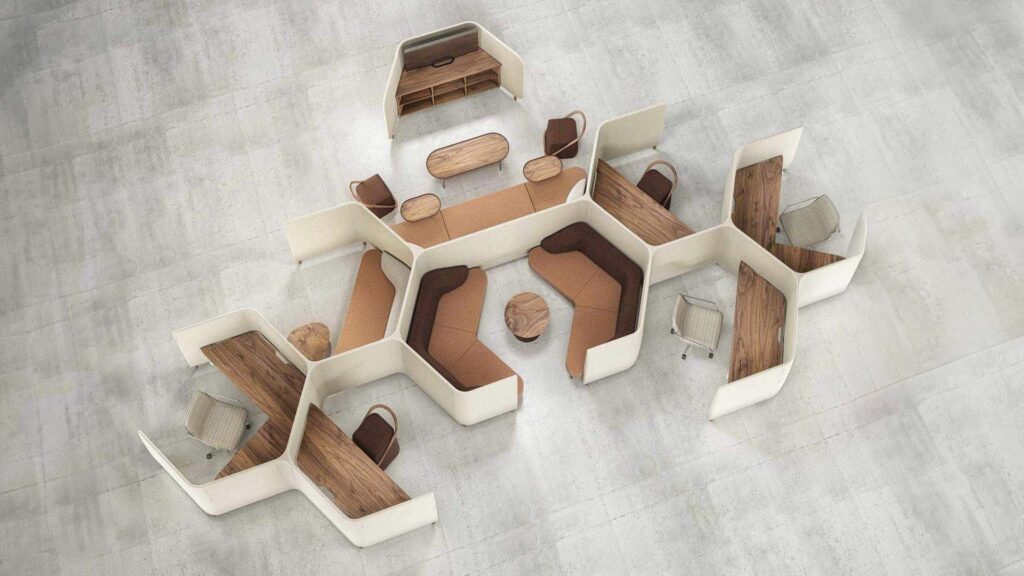
Biophilic Design Desk Placement - If a cubicle is generic and the considered old fashion, it signals the opposite of pride and ownership. Modern cubicles can fix that by enabling personalization, identity, and control. Tack able surfaces, shelves to display pictures and more desk area are all areas that can be used for personalization.
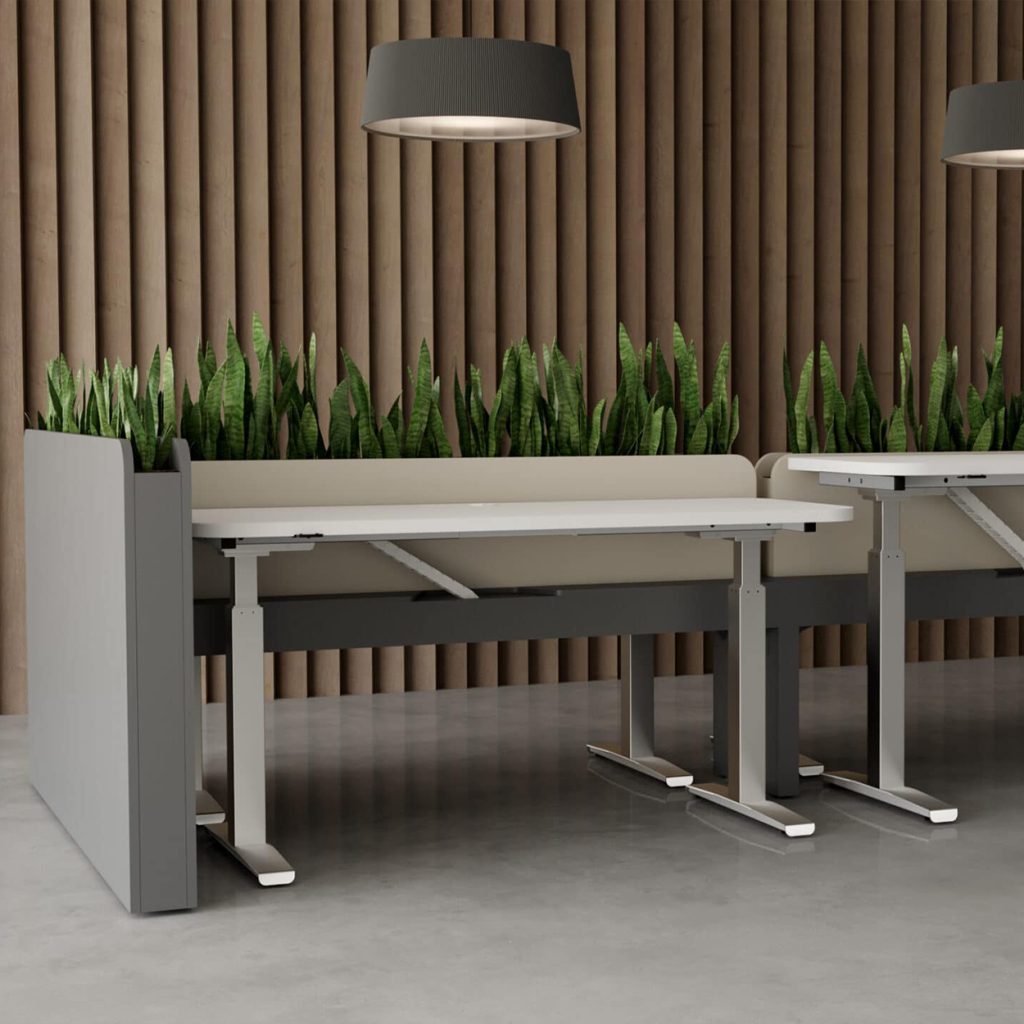
That means a thoughtfully designed space isn’t just “nicer,” it can boost performance in measurable ways.
Environment Shapes Emotions and Stress:
Workplace environments influence psychological health. A study on office design and emotional health revealed that:
-
Emotional exhaustion and psychosocial wellbeing vary significantly between office types.
-
More enclosed, personalized spaces (like private offices) were associated with better outcomes than rigid hot-desking layouts. Perhaps this is why people typically feel honored when they are given a private office- they literally feel better.
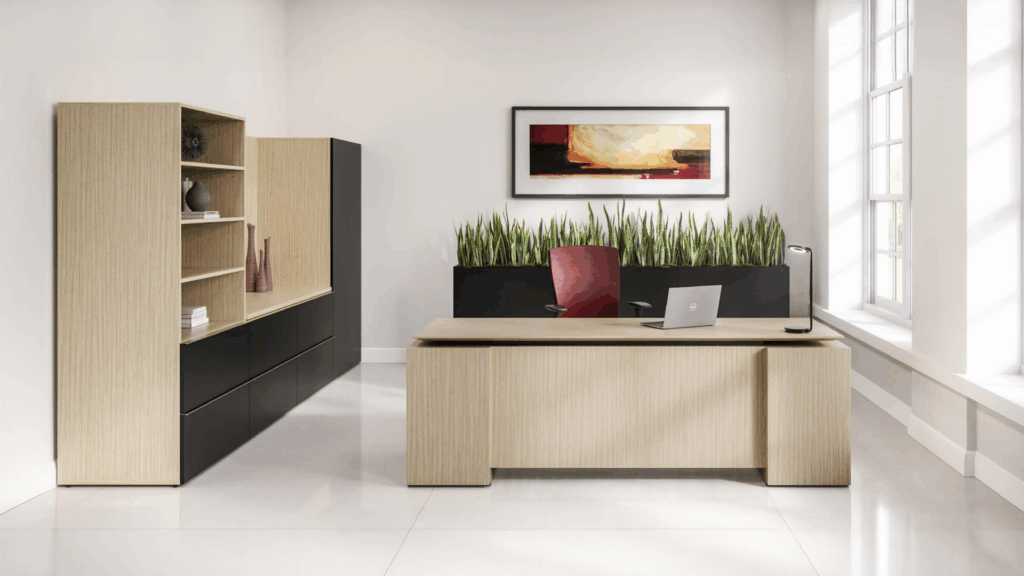
- Gensler’s workplace research (nearly 17,000 office workers across countries/industries) reports that only 14% of the global workforce desires a traditional corporate workplace experience. This supports the broader point: people are rejecting the old, impersonal, one-size-fits-all office vibe (which “boring cubicle farms” represent culturally)
In other words, design choices influence feelings of stress, competence, and emotional balance.
4. Light, Views, and Nature Affect Mood:
Design elements that connect people to nature or better light levels are strongly connected to wellbeing.
According to research:
-
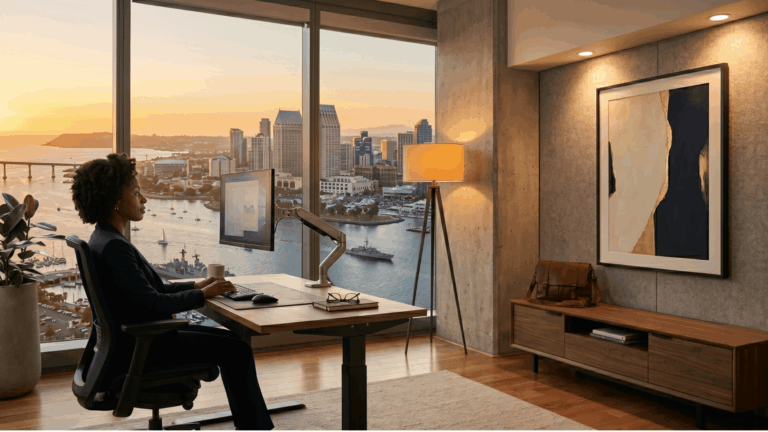
Offices with access to daylight and views correlate with fewer eye strain issues and headaches, improved comfort, and better productivity.

Offices with day light add value. If you don’t have windows, Pacific Ergonomics adds in other design elements to compensate. -
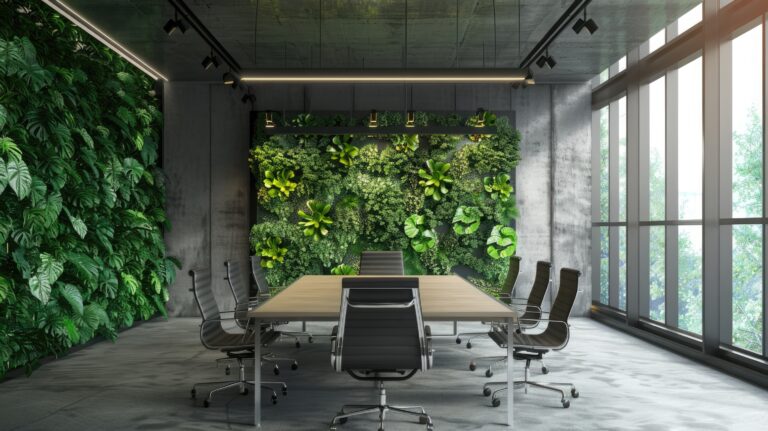
A classic study found that bringing natural elements like plants into barren offices increased productivity by about 15%, and made workers feel more satisfied and cared for.
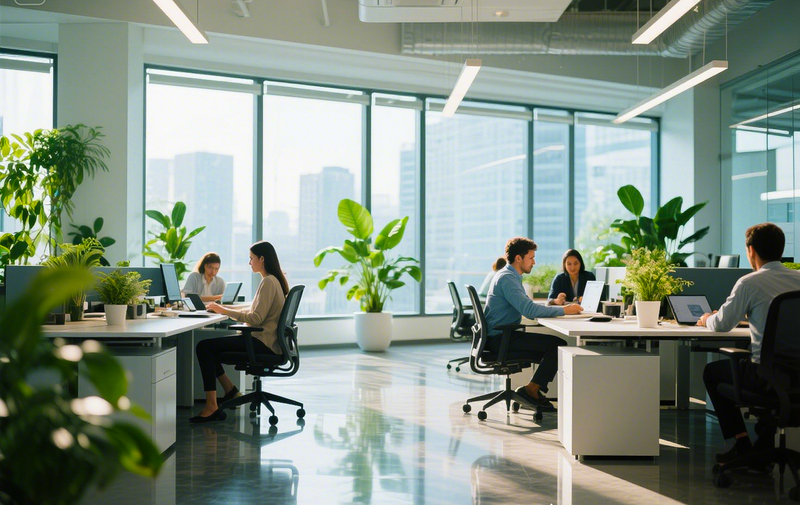
These physical cues matter because they reduce stress and signal that the space supports human wellbeing.
5. Privacy and Focus are Psychological Necessities
Open-plan offices can be great for collaboration, but they often fall short in another domain: focus and personal space.
Research reviews on open plan environments show that:
-
Noise and lack of boundaries even subtle ones, can increase distraction and reduce perceived productivity.
That’s why spaces that support cubicle acoustics, defined work zones, or options like private offices and acoustic pods resonate on a psychological level they help people concentrate without social or sensory overload.
6. Office Design Impacts Engagement, Productivity, Retention, and Culture
Workplace satisfaction isn’t just a “nice metric” — it has real business implications:
-
Studies indicate strong positive correlations between how employees rate their workplace design and both well-being (r = 0.72) and productivity (r = 0.68).
-
Design changes can dramatically raise employee satisfaction — like moving to a better layout that increases productivity satisfaction from 17% to 71% and significantly reduce stress.
- In a study on nine monochromatic office colors, participants made significantly more proofreading errors in a white office than in blue and red offices.
This shows that design isn’t just aesthetic, rather it’s strategic.
A study showed employees’ perception of the new office as “a good place to work” improved following targeted workspace changes, climbing to 88% from 71%. How New Work Environments Can Reduce Stress: