

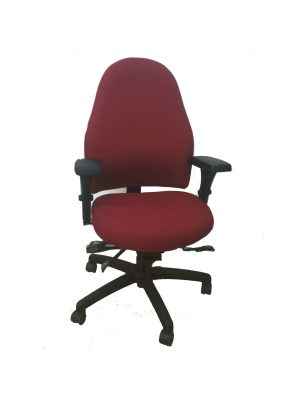

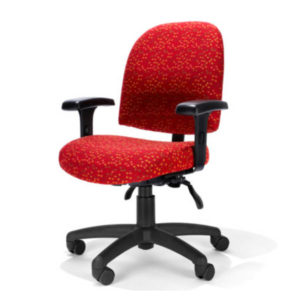
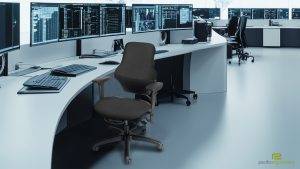
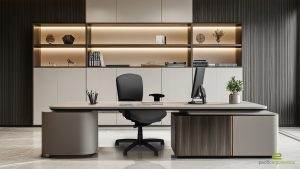

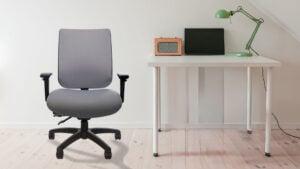
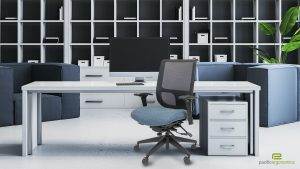
Ready to invest in the health and comfort of your team with ergonomic chairs? At Pacific Ergonomics, we focus on providing the right seating for your EHS program to thrive. We also provide task seating for small and large office furniture projects. Our chairs and goal is to prioritize your employees well-being and offer the proper support.
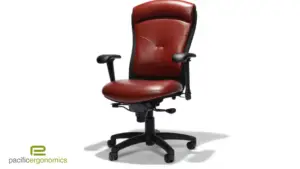
Our task chairs have adjustable armrests and ergonomic mechanisms. The seating solutions we offer can help reduce the risk of Musculoskeletal Disorders (MSDs). These are also called Repetitive Strain Injuries (RTIs) when used correctly. They also boost overall comfort.
The term “ergonomic office chairs” is often misunderstood. It should help with posture, be comfortable and support the body. As a result, this type of seating helps prevent injuries and improves employee well-being.
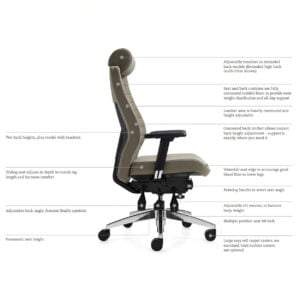
It also has adjustable armrests so that the employee can comfortable work with the correct posture. It has a range of height where the employee can be properly positioned.
However, many chairs can check the box that they are adjustable, but what does that mean? Can their adjustments enable the person who is sitting int he chair to comfortably and properly sit or not?
This gap in understanding has led to more employees searching for ergonomic chairs online. Many people mistakenly believe, “If a chair has an ergonomic label, it must be ergonomic.’ This is not true.
Subsequently, they find themselves hurt and in discomfort, sometimes even injured for months at a time.
FACT: Real ergonomic chairs are made to fit each person’s body shape. They give the support needed for good and comfortable posture while working.
A single chair isn’t suitable for everyone.
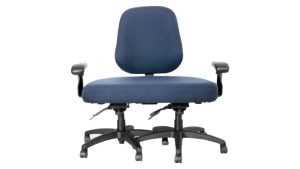
Consider an individual standing at 6 feet 8 inches tall who participated in collegiate football. Now, consider another person who is 5 feet 4 inches tall and slender. Lastly, envision another individual who is also 5 feet 4 inches tall but weighs 300 pounds.
An improperly sized chair can force your body into awkward positions, which can strain your muscles and joints over time. This discomfort can manifest in several ways, leading to significant ergonomic issues.
A comfortable and supportive chair can help prevent musculoskeletal disorders (MSDs). These disorders encompass a range of conditions that affect the muscles, tendons, ligaments, and nerves. Common examples include lower back pain, neck pain, and shoulder discomfort.
When a chair does not give good lumbar support, it can cause bad posture. This puts extra stress on the spine and nearby muscles. Over time, this can result in chronic pain and discomfort that may require medical attention or physical therapy.
Using a chair that does not fit well can increase the risk of repetitive strain injuries (RSIs). If a chair makes you hunch over or lean toward your desk, it can cause problems. This position can strain your wrists and forearms.
Also, the mental effects of using a bad chair are important. This is especially true if the chair does not fit your body. Discomfort can lead to decreased focus and a drop in productivity. The persistent sensation of discomfort or unease can serve as a distraction.
Using the wrong tools and having bad posture can also make this risk higher. These injuries occur when individuals repeat identical movements over time, causing inflammation and discomfort in the affected areas.
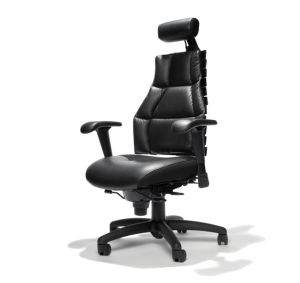
This is especially true when you are typing or using a mouse. This could lead to problems like carpal tunnel syndrome or tendonitis. Some adjustable headrests may seem good, but they can cause injuries. They can push the head forward if you don’t know how to choose the right chair for your team.
All of these types of injuries can necessitate a substantial period of absence from work for recovery.
This can initiate a detrimental cycle. When you compromise your concentration, your work performance suffers. This can subsequently trigger increased stress and anxiety levels.
When it comes to overall comfort and health, ergonomic chairs play a pivotal role. One important wide range feature of of chairs that are ergonomic is that they come in different sizes. This helps meet the needs of various body types and preferences of employees in a company. It even helps improve posture.
The notion that “one size fits all” in ergonomic office chairs is a misconception.
Ergonomics is the science of designing the workplace, products, and systems to fit the people who use them.
The primary goal is to enhance comfort, efficiency, and productivity while minimizing the risk of injury. An ergonomic chair is specifically designed to support the natural posture of the body, reducing strain on the spine and promoting overall well-being. However, the size and adjustability of an ergonomic chair significantly influence its effectiveness.
The Need for Multiple Sizes
1. Variety in Physical Forms: Workers come in many shapes and sizes. A chair that is comfortable for one person may not work for another. For example, a chair that is too high can make shorter people’s feet hang. This can cause discomfort and poor blood flow.
On the other hand, a chair that is too low may not support taller people well. This can cause bad posture and back pain. By providing chairs in various sizes, companies can make sure every employee has a chair that fits their body.
2. Flexibility Characteristics: Numerous ergonomic chairs come equipped with flexibility features such as adjustable seat height, backrest tilt, and armrest positioning. However, these modifications might not be adequate for everyone. A chair that is fundamentally oversized or undersized will continue to present difficulties, despite these adjustments. Hence, offering a variety of sizes ensures a more customized fit, augmenting the overall ergonomic advantages.
3. Fostering Diversity in EHS Programs: A workspace that emphasizes ergonomic solutions in a range of sizes exhibits a dedication to diversity and employee wellness. It shows that the organization values the health and comfort of all its staff, no matter their size. This can result in enhanced job satisfaction, decreased absenteeism, and boosted morale.
4. Minimizing Health Hazards with Effective Seating:
Poor seating in the workplace can cause serious health problems. These issues affect individual employees and can lower overall productivity and morale in the organization. One of the most common issues associated with poor seating is the development of musculoskeletal disorders (MSDs).
These disorders include various conditions that impact the muscles, tendons, ligaments, and nerves. They often happen after sitting for a long time in uncomfortable positions. Employees may feel discomfort or pain in their backs, necks, shoulders, and wrists. If not treated quickly, this pain could become chronic.
This enduring discomfort may ultimately result in a decline in productivity as employees grapple with concentrating on their tasks amidst unease. This might instigate a rise in absenteeism, as individuals may require time off to pursue medical care or recuperate from issues related to pain.
Persistent pain can influence people’s feelings at work. It can lead to lower job satisfaction and morale. This creates a negative work environment.
To fight these health risks, businesses can take action. They can invest in ergonomic chairs that fit different body types and sizes.
Designers create ergonomic chairs to support the natural curve of the spine. They help promote good posture and reduce strain on the body. Features like adjustable seat height, lumbar support, and armrests can be changed to fit each employee’s needs. This helps everyone find a comfortable and supportive seat.
By providing a range of seating options, businesses not only demonstrate their commitment to employee well-being but also foster a healthier workplace culture. This investment in ergonomics can lead to a reduction in health-related issues, ultimately enhancing productivity and job satisfaction.
In summary, dealing with the risks of poor seating is important. Using ergonomic solutions can help reduce health problems. This also promotes a better and more efficient work environment. Employees who are comfortable and adequately supported are less prone to discomfort that could result in enduring health issues.
Ergonomic chairs aren’t just about seating—they’re an investment in a healthier, more productive workforce. Here’s how we help you make the right choice:
Your team’s comfort is our top priority. We are here to help you make smart choices that focus on employee well-being. Our task chairs help reduce strain and boost productivity. They create a space where your team can thrive.
Are you ready to take your workspace to the next level? At Pacific Ergonomics, we understand the importance of a comfortable and efficient work environment. That’s why we invite you to reach out to us for a personalized consultation. Our team of experts is here to help you find the perfect ergonomic chair for your team’s needs.
Ergonomic chairs help support the body’s natural posture. They reduce strain and discomfort during long work hours. Investing in good ergonomic chairs can boost productivity. It also helps employee well-being and makes your office more inviting.
In our meeting, we will look at your current workspace setup. We will talk about the needs of your team members. We will also explore different ergonomic options that fit your budget and style. Whether you need chairs that promote better posture, provide lumbar support, or offer adjustable features for different body types, we have a wide range of solutions to choose from.
Don’t wait any longer to transform your workspace into a healthier and more productive environment. Contact Pacific Ergonomics today, and let’s work together to find the perfect ergonomic chair solutions that will benefit your team for years to come. Your employees deserve the best, and we are here to help you achieve that!!