Weigh the Pros and Cons of Shared Private Offices – Decide Wisely.
With many employees now working on hybrid schedules, it may come as a surprise that many companies are still opting to share private offices. Don’t we have more than enough office space you might think?
What has happened in certain areas of office furniture like in San Diego, many businesses are converting their offices into labs. In doing so the remaining employees who work hybrid no longer have an office or cubicle to come back to- they have to share, even many executives. In this blog post, we will explore why companies are making this decision and what benefits they can expect to see from it.
The Modern Workplace is Changing Affecting Shared Office Space
With the rise of remote work and the increased flexibility that comes with it, the traditional corporate office is slowly becoming a thing of the past. Many businesses are now rethinking their office space and its layout to accommodate their employees’ needs. Working from home has become more common than ever before, and companies are beginning to rethink their workplace design in order to ensure that everyone remains productive and efficient.
From open offices to standing desks, flexible seating options, shared offices, and even “hoteling” – where employees reserve a desk only when they need it – the modern office is being designed to offer employees an environment that is comfortable, productive, and flexible.
While some companies are opting to keep their traditional private offices, many are choosing to share these spaces among employees. This type of arrangement allows businesses to maximize their use of office space while giving employees the privacy they need to work without distraction. But why do some companies still feel the need to share private offices? Let’s take a look at the benefits and drawbacks of this arrangement.
The Benefits of Sharing Private Offices
Sharing private offices can be a great way for companies to cut costs. Eliminating costly lease costs and shutting down buildings is now commonplace. Not only does it save on real estate costs, it can also create an environment of camaraderie and collaboration.
For example, when two or more people are sharing a private office, they can easily communicate with each other throughout the day and exchange ideas and opinions. This allows for better problem solving and a greater ability to brainstorm together on complex projects. This can help to create more meaningful connections between employees and foster a healthier work environment.
Additionally, sharing an office can also lead to greater efficiency. This is because multiple people in the same office can help to split up tasks, allowing them to focus on one task at a time and get things done faster.
Finally, sharing a private office can also lead to greater productivity. Studies have shown that when people share a workspace, they tend to feel more motivated and focused. This can lead to an increase in productivity and ultimately, higher job satisfaction.
The Drawbacks of a Shared Private Office
Despite the potential advantages, there are drawbacks to sharing private offices that can’t be ignored. The most obvious issue is the lack of privacy and acoustic challenges for both employees and clients. Sharing an office means that conversations, phone calls, and other confidential interactions must be conducted in an open area. This can lead to a feeling of unease or discomfort, especially if the other party is unfamiliar with the shared workspace.
In addition, depending on the office layout and the size of the space, the physical constraints of sharing an office could be prohibitive. This could make it difficult to ensure everyone’s comfort and privacy. Additionally, noise levels can be harder to control in a shared office than in a dedicated one, making it difficult to concentrate or hold conference calls. Finally, dividing up workspace and resources (like filing cabinets) could create tension between co-workers.
Height-adjustable sit-stand desks and ergonomic training are more important than ever before since employees don’t have dedicated workspaces. They need the flexibility to adjust to the correct height and ensure they have the right postures.
Overall, while sharing a private office can be a great way to save money and promote collaboration, it’s important to take into account all the potential drawbacks. Companies should carefully weigh the pros and cons before committing to a shared office space.
How to Make Sharing Private Offices Work
Sharing private offices can be a great way to make the most of your workspace, but it’s important to have some strategies in place to ensure that everyone is comfortable and that the arrangement runs smoothly. Here are some tips for making the process as seamless as possible:
1. Set ground rules: Everyone who will be sharing a private office should establish clear ground rules about how the space will be used, including hours of access, storage of personal items, and noise level expectations.
2. Establish a rotation schedule: If more than two people are sharing a private office, consider setting up a rotation schedule so that no one person is in the office all of the time. This helps to avoid overcrowding and can give each person the chance to get their work done in a distraction-free environment.
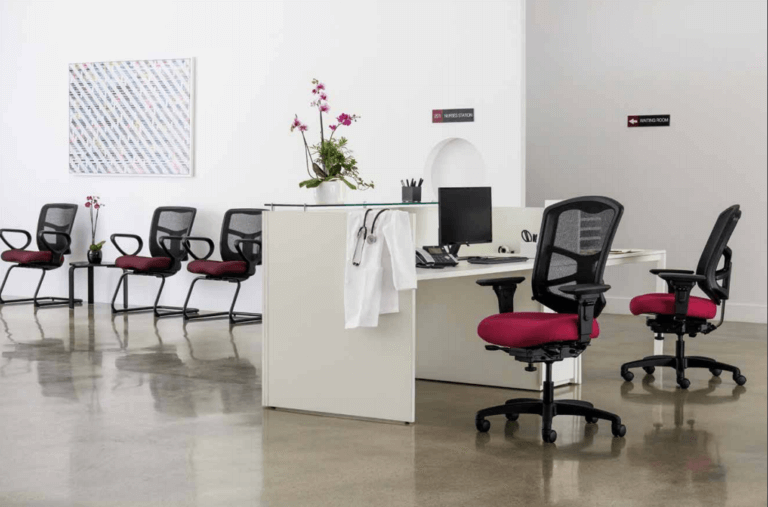
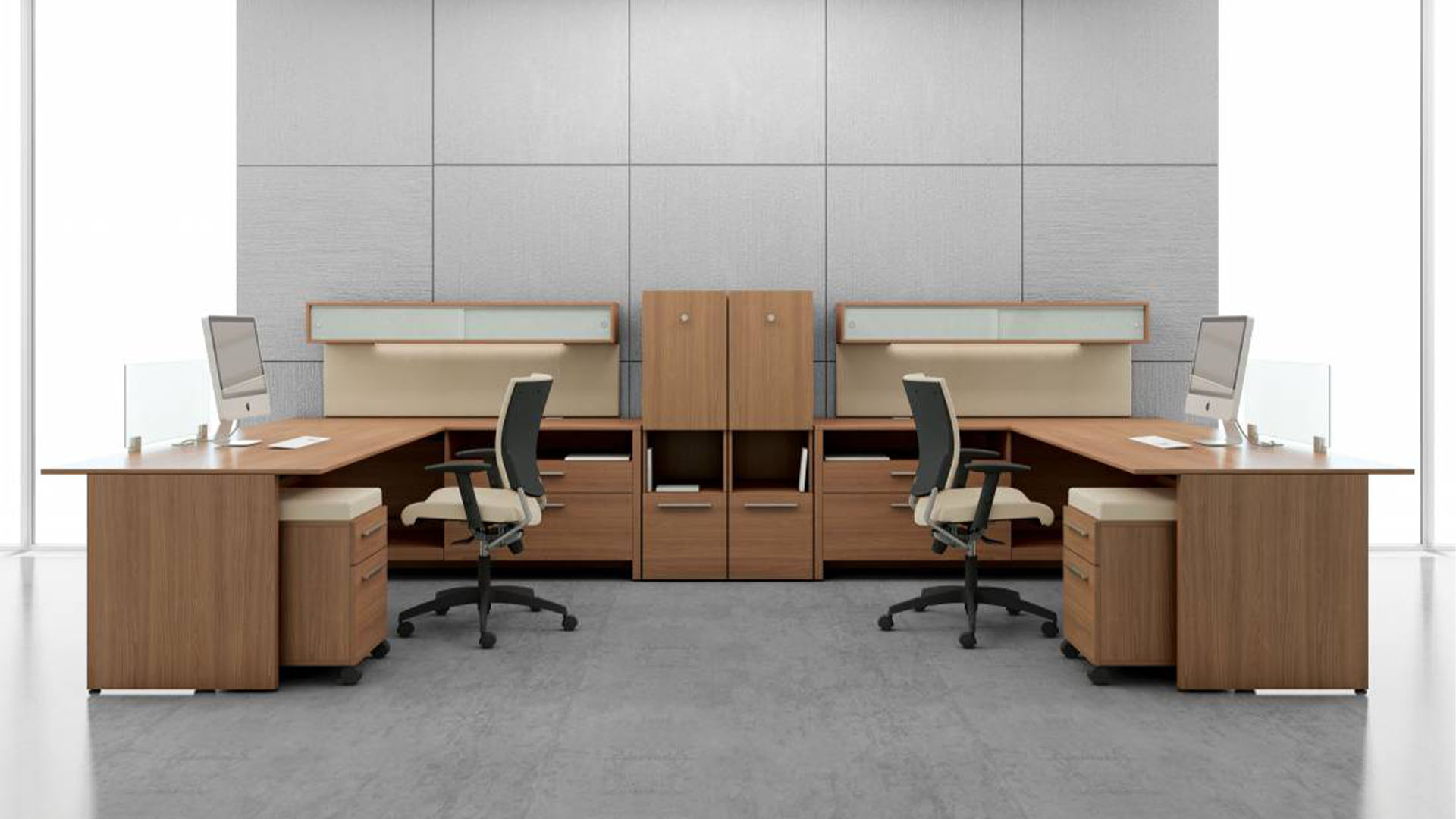
3. Ensure everyone has an area they can call home: While it may not be possible for everyone to have their own desk, make sure that each person has an area within the office where they can set up their computer, monitor, and other equipment. If possible, provide privacy screens or partitions to help separate work areas. If they don’t have their own desk, make sure they have lockers to store their personal belongings.
4. Provide amenities: Make sure that each person has easy access to basic amenities like a printer, scanner, and other supplies they may need while working in the office. It’s also a good idea to have a stocked kitchenette or common area where people can take breaks and socialize if needed.
5. Communicate freely: Finally, open communication is key when it comes to sharing private offices. Have regular check-ins with everyone involved and be sure to address any concerns that come up quickly and effectively.
6. Implement acoustic privacy pods like the Hush or small offices where employees can go if they need to be on important ZOOM calls or have private conversations.
By taking these steps, you can ensure that everyone who is sharing a private office feels comfortable and that the workspace remains productive and efficient. Good luck!
If your company needs help with office furniture, call Pacific Ergonomics. We ship all over the U.S. and offer virtual design services nationwide. Call for a free consultation.
[/vc_column_text][/vc_column][/vc_row]