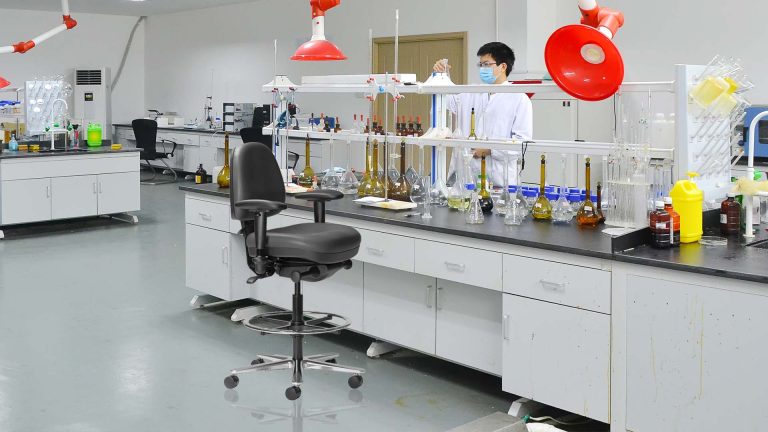

Is Ergonomics Important in Lab Design
Is Ergonomics Important in Lab Design?
Yes it is very important. When ergonomic considerations are overlooked in a lab, there can be a range of negative effects on both the researchers and the quality of their work. Physically, improper ergonomics can lead to strain injuries, fatigue, and discomfort, which can reduce a researcher’s ability to focus and perform tasks efficiently. Over time, these physical issues can lead to chronic conditions that may require medical intervention.
Cognitively, a lack of ergonomic support can impair concentration and decision-making. Discomfort and pain can be distracting, leading to decreased productivity and potentially increasing the likelihood of errors in experiments and data analysis. Additionally, poor ergonomics can contribute to mental fatigue, reducing overall work satisfaction and motivation.
From a safety perspective, overlooking ergonomic considerations can increase the risk of accidents and mishandling of lab equipment or materials, potentially endangering both the individual and their colleagues. To ensure optimal performance and well-being in the lab environment, it is crucial to integrate ergonomic practices that support both physical and mental health. This involves assessing workspaces, adjusting furniture and equipment, and promoting regular breaks and exercises to maintain the long-term health and efficiency of lab personnel.
Designing a Lab Space to Accommodate Individual of Various Sizes is Critical:
Designing a lab space that accommodates individuals of all heights is crucial for promoting both effective and healthy ergonomic practices.
Imagine a lab technician who is 5’2 and another who is 6 feet tall—both need the flexibility to adjust their workstations to perform tasks efficiently and comfortably. This flexibility is vital, particularly for tasks that require getting closer to specimens, where proper posture is necessary to avoid strain and ensure precision.
Laboratories often involve a variety of tasks being carried out on the same workbench. One moment, a technician might be using a long pipette, and the next, they might switch to a shorter one, each requiring a different bench height for optimal use. This is where adjustable lab tables become essential. Unfortunately, their importance is frequently overlooked. Adjustable benches allow for customization based on the specific needs of the task and the individual, enhancing both productivity and well-being.
By focusing on ergonomic design, labs can ensure that all technicians, regardless of their height, have a workspace that supports their physical health and allows them to work more effectively. This consideration is not just about comfort—it’s about fostering a lab environment that prioritizes both efficiency and safety.
Is Ergonomics Important in Lab Design- YES!
Ergonomics for Productivity and Well-Being
Investing in ergonomic lab furniture is a fundamental step in fostering a productive and healthy work atmosphere. Adjustable height benches, anti-fatigue mats, monitor risers, and easily accessible storage solutions all contribute to reducing physical strain and optimizing efficiency. By prioritizing ergonomics, labs can create an environment where staff members can perform their tasks comfortably and effectively, thereby enhancing overall morale and output.
Technology and Ergonomics:
When planning a lab and wondering if ergonomics is important in lab design, call us and we will help with your specific application. Accommodating technology use ergonomically is essential. Proper positioning of computer monitors, keyboards, and other digital equipment can prevent strain and improve comfort. Adjustable lab furniture, such as benches and seating that allow for ergonomic posture, is crucial. Ensuring that workstations provide adequate legroom and monitor positioning can lead to better productivity and reduced discomfort for users.
Modular and Ergonomic Design:
Is ergonomics important in lab design – absolutely. Incorporating modular design elements into the lab not only enhances flexibility but also supports ergonomic considerations. Mobile and adjustable furniture pieces can be rearranged as needed, catering to evolving ergonomic requirements. This adaptability ensures that the workspace remains conducive to health and efficiency, regardless of changes in lab operations or personnel.
Planning for Expansion and Ergonomics:
As labs expand, maintaining ergonomic standards becomes even more critical. Designing a lab with scalability in mind allows for continued ergonomic support as space requirements evolve. Furniture that can be easily relocated or adjusted helps sustain an ergonomic environment, promoting both comfort and productivity for a growing team.
In summary, the importance of ergonomics in lab design cannot be overstated. By integrating ergonomic principles into the planning and furnishing of labs, businesses can ensure a productive and healthy environment for their teams. For those seeking assistance in designing an ergonomic lab, consulting with experts in ergonomic lab furniture can be an invaluable step towards achieving an optimal workspace. Call for a consultation on our lab ergonomic assessment services and our lab seating and lab tables.