
Ergonomic Chairs
for Corporate Seating Programs
One approved seating standard for your whole organization, from extra petite through 1,000 lb bariatric, configured and delivered by certified ergonomists.
Ergonomic chairs purchased without a strategy are where companies lose time and money, raise their injury risk, and end up with employees who are not comfortable. Pacific Ergonomics builds a multi-size seating strategy instead, designed once, so the right chair is already decided before anyone has to ask for one.
How We Approach a Chair Program
A strategy, not an evaluation for every employee.
We account for the whole population up front. Heights and weights, tasks, shift patterns, workstation types, budget and how your people actually order. The standard covers the range, so individual assessments become the exception rather than the process.
25 years across almost every industry.
Corporate offices, hospitals and clinics, universities, labs, dispatch centers and government agencies, in California and nationwide. We have seen which seating systems hold up and which ones quietly fall apart.
Fewer people in every decision.
Without a standard a single chair request touches six people: the employee, a manager, HR, EHS, facilities and procurement, plus a vendor. A strategy brings that down to two, which saves everyone else their time and cuts the cost of the purchase, the duplicate purchase and the delay.
Repeatable, and it keeps working.
Once the standard is set it carries through new hires, moves and reorganizations. No research from scratch, no vendor hunt, no chair bought twice.
Ready to build a seating standard for your organization? Talk to us about an ergonomic chair program.
The Cost of Buying Chairs One at a Time
People who were never trained to specify seating end up choosing it, over and over. The wrong size gets ordered, it gets ordered again, and in between someone sits in a chair that does not fit.
Without a Standard Process and Program
With a Strategic Ergonomic Program
The Request
An employee reports discomfort, then waits.
EHS records what the employee needs the same day.
Who Decides
HR, EHS, the manager, facilities, IT, and procurement all weigh in. Nobody owns it, so it sits.
The approved standard already covers the sizes your people need. EHS picks the configuration.
Getting It Ordered
The manager searches online, calls vendors, collects quotes. Procurement sets up a vendor and cuts a PO.
The manager approves it in the portal and orders by P-card. No new quote, no new vendor.
What Arrives
A chair chosen on a guess, in a box, often the wrong size.
The right chair, delivered and adjusted, with a walkthrough for the employee.
What Happens Next
More than half get bought a second time. The employee has been uncomfortable the whole time.
It fits the first time. Nothing gets bought twice, and every location stays on the same seating.
Time Per Request
15 hoursacross six people
1.5 hoursacross two people
The Outcome
- Weeks of discomfort
- Productivity lost to distraction
- Six people pulled off their own work
- The same chair paid for twice
- Employees comfortable in days
- Productivity protected
- Two people, one decision
- Bought once, budget goes further
What a Chair Program Gives You
Six things a standard does that a one-off purchase never will.
Standardize
Create an approved selection your whole organization orders from, instead of one-off purchases that never match.
Fit Every Employee
Multiple sizes and configurations, so the fit works for petite operators, taller staff, and everyone in between.
Turnkey Delivery and Support
We deliver, adjust, and show each employee how to use their chair. When a workstation changes later, a sit-to-stand desk or a new task, we handle the cylinder swap or the reconfiguration.
Fewer Ergonomic Injuries
Musculoskeletal disorders drive roughly a third of all serious workplace injury cases, about 940,000 a year. A chair that fits is the cheapest prevention an employer can buy. OSHA on ergonomics
Productivity and Morale
An employee who is uncomfortable is distracted, and a request that drags on for weeks says something to the whole department. Seating people properly and quickly is visible, and people notice.
One Portal, Full Visibility
EHS records what an employee needs and sends it straight to the department manager, who takes action from there. Every request and its status stays visible in one place.
Ergonomic Chair Suppliers We Configure
A chair off a list is not a solution. Every chair below is commercial grade and comes in multiple back and seat sizes, from petite through big and tall. We take companies through a specific process to arrive at the right chair strategy for their needs, budget and goals, then configure each build for the person, the task and the environment.
Teams in Southern California can try chairs from this program at our San Diego office chair showroom in Escondido. Chair programs are one part of the commercial furniture and ergonomics work Pacific Ergonomics does for organizations nationwide.
Sizes We Fit
Extra Petite · Petite · Standard · Large · Big & Tall · Specialized
Sizing is a build decision, not a stock number. We measure your people, then pick the seat, back, and cylinder that fit them, down to users under 5 feet.
Where We Work
Corporate Offices · Home Office Programs · Hospitals and Clinics · Universities · Government Agencies · Industrial and Manufacturing
Each setting brings its own task, shift length, and furniture the chair has to work with.
You Tell Us Who Sits There. We Handle the Build.
These chairs for office come in far more configurations than a size chart can show. Different types of chairs from mesh back, all mesh, upholstered, and options such as headrest, adjustable lumbar and thoracic are all configurable. Cylinder height, seat pan, back travel, arms, lumbar, foam, casters, base. You do not need to learn any of it.
We also go past the standard option list when the space calls for it. Antimicrobial, bleach cleanable and heavy wear fabrics. Cylinders matched to your actual bench or desk height.
Custom seat and back builds when someone needs what the catalog does not offer.
Our certified ergonomists make these calls every day. You get one recommendation that fits, and a standard your team can order from with confidence.
We also provide ergonomic chair programs for lab chairs.
all chairs are available in multiple colors and fabrics. We have pre-vetted ideal fabric solutions for different applications.
RFM Seating
Ergonomic task, executive and specialty seating
Several of the chairs in this line are configurations we developed with the manufacturer for our own clients. They are built to our specification and are not on a public model list, which is why the fit range here goes wider than a standard catalog.
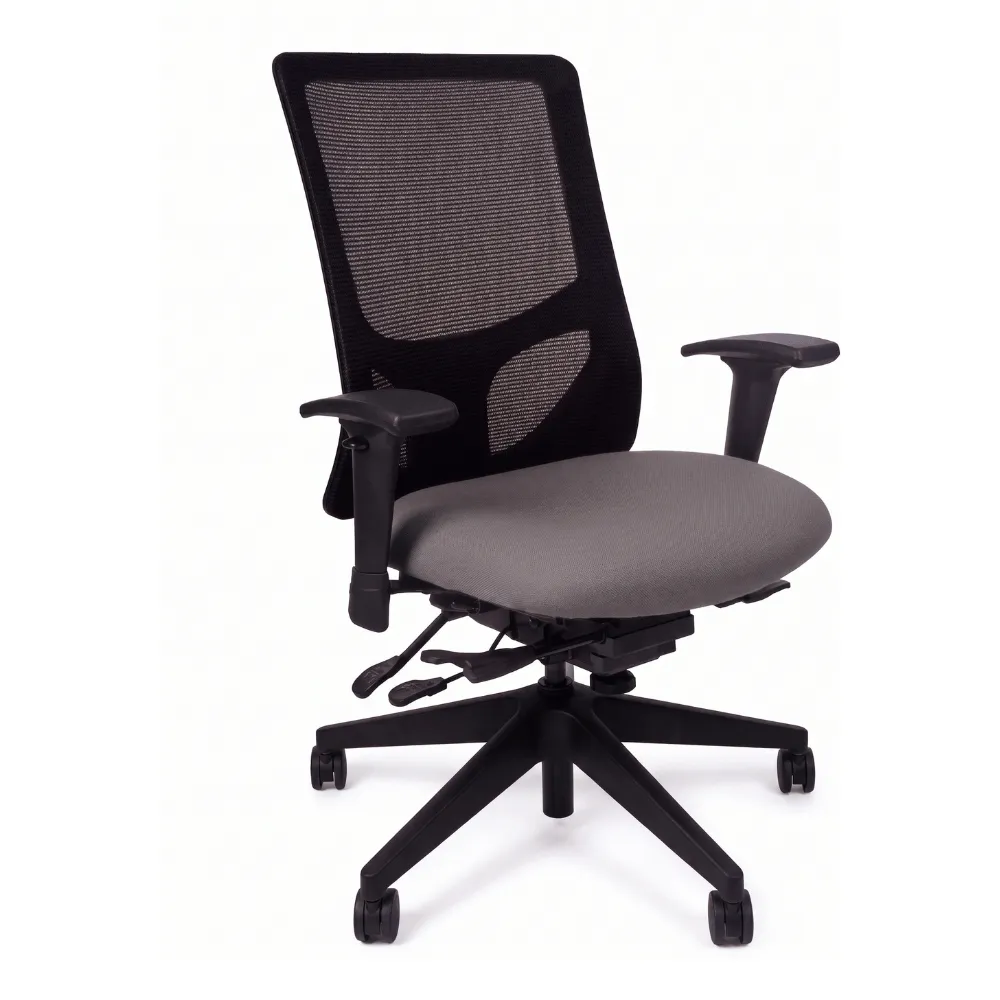
Evoluent
Back Sizes
Medium 18½″ W × 19½″ H
Managers high 19¾″ W × 23½″ H
Big and tall 19¾″ W × 23½″ H
Seat Sizes
Petite 18½″ W × 17½″ D
Standard 21″ W × 19″ D
Tall 21″ W × 20″ D
Wide 22″ W × 22″ D
Extra wide 23″ W × 21″ D
Big and tall 24″ W × 20″ D
Capacity: 300 lb, 400 lb big and tall
Warranty: Lifetime cylinder, 12 years
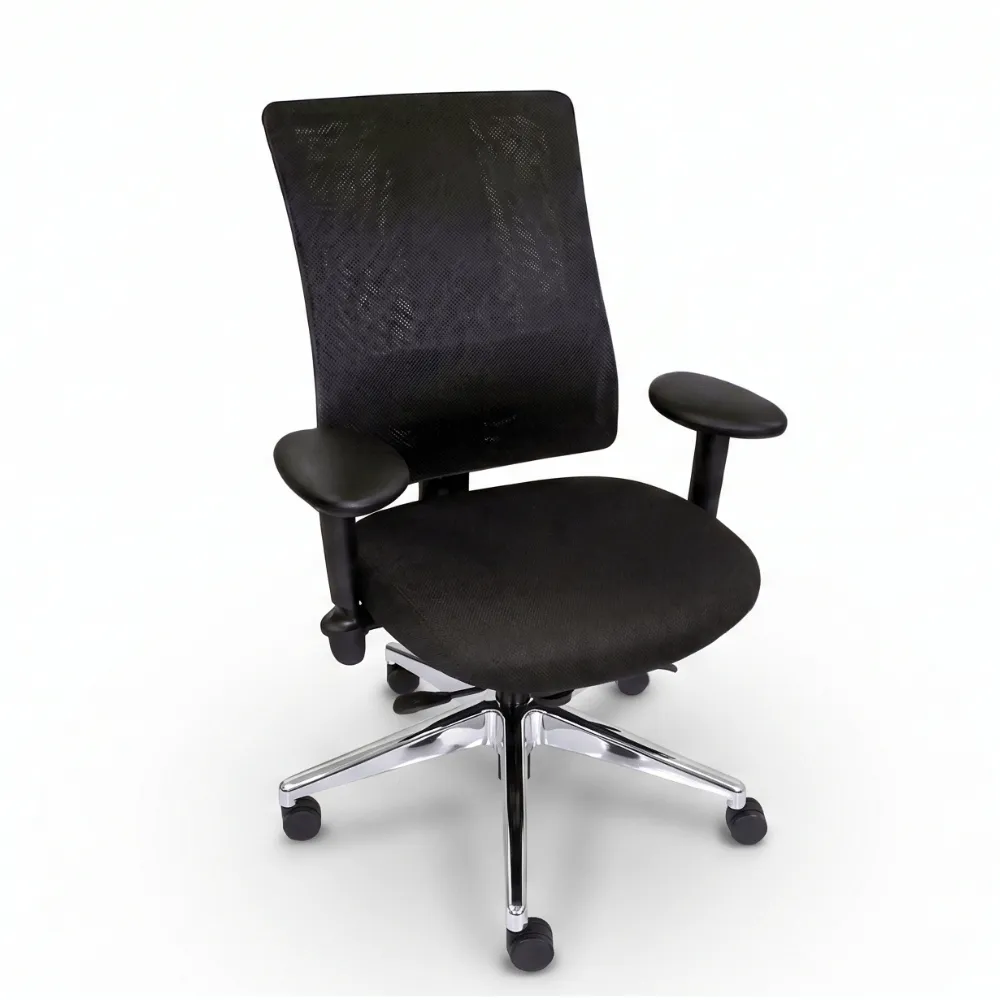
Cardinal
Back Sizes
Managers high 19¾″ W × 23½″ H
Seat Sizes
Petite 18½″ W × 17½″ D
Standard 21″ W × 19″ D
Tall 21″ W × 20″ D
Wide 22″ W × 22″ D
Big and tall 24″ W × 20″ D
- Adjustable lumbar and thoracic pump
- Extra cushion with special fabric for comfort
- Faux Leather arm rests
Capacity: 300 lb
Warranty: Lifetime cylinder, 12 years
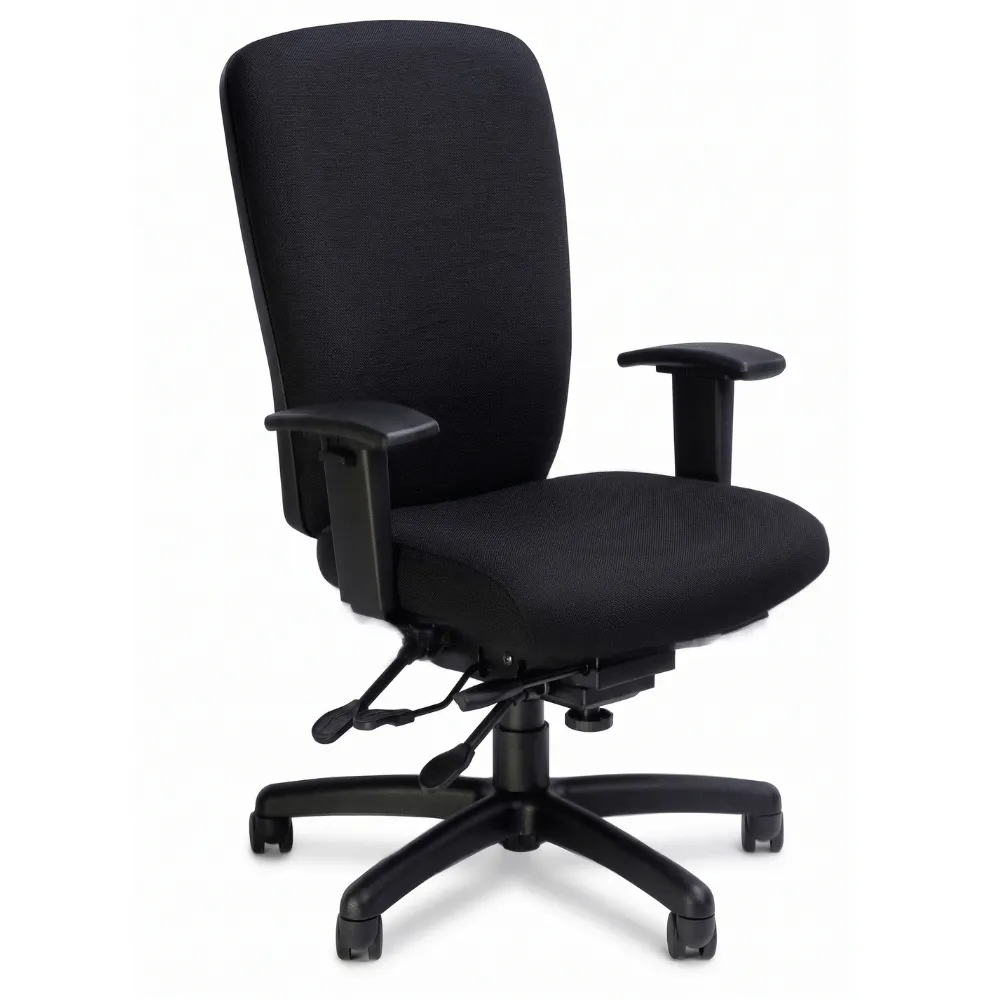
Rainy
Back Sizes
Medium 18½″ W × 19½″ H
Managers high 19¾″ W × 23½″ H
Seat Sizes
20″ W × 17¾″ D
20¼″ W × 19″ D
21″ W × 19″ D
Capacity: 300 lb
Warranty: Lifetime cylinder, 12 years
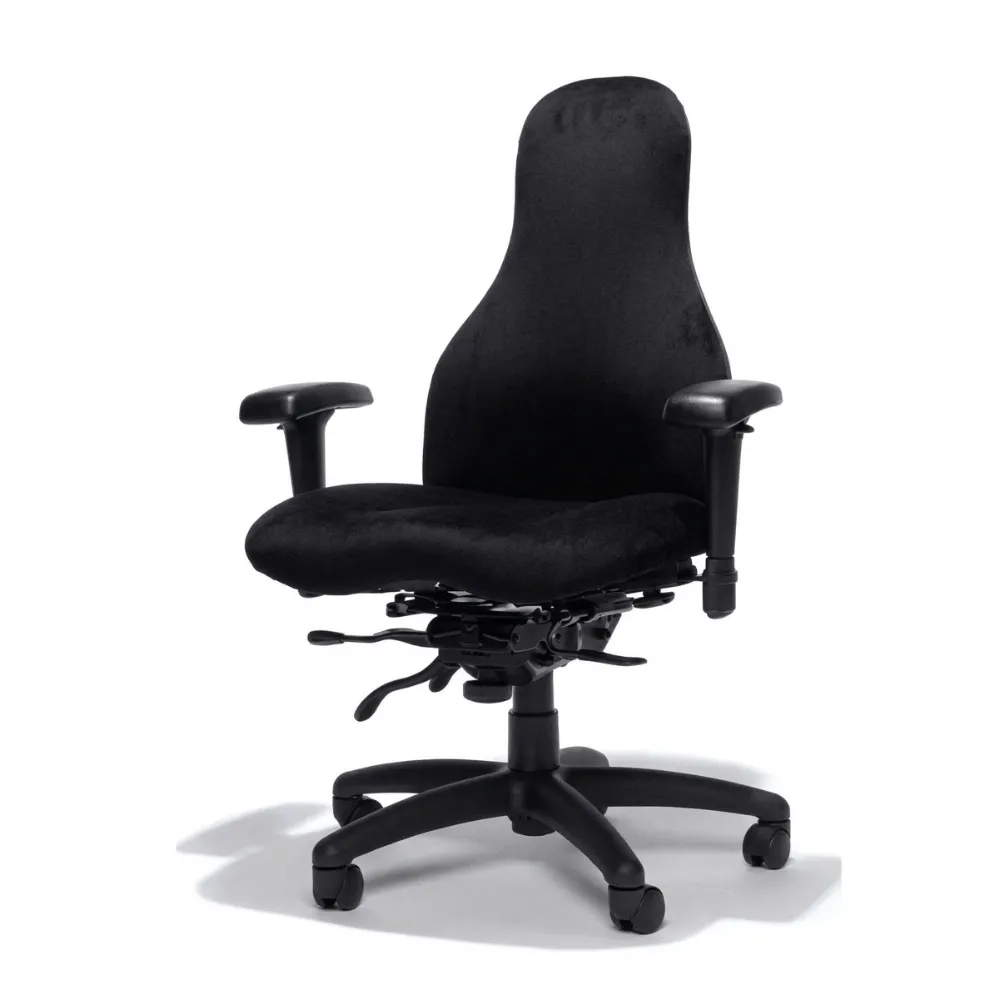
Carmel
Back Sizes
Medium 19″ W × 21″ H
Managers high 19″ W × 25″ H
Executive high 19¾″ W × 32½″ H
Big and tall 19″ W × 21″ H
Seat Sizes
Standard 20″ W × 19″ D
Executive 21″ W × 20″ D
Big and tall 24″ W × 20″ D
Wide 22″ W × 22″ D
Capacity: 300 lb, 400 lb big and tall
Warranty: Lifetime cylinder, 12 years
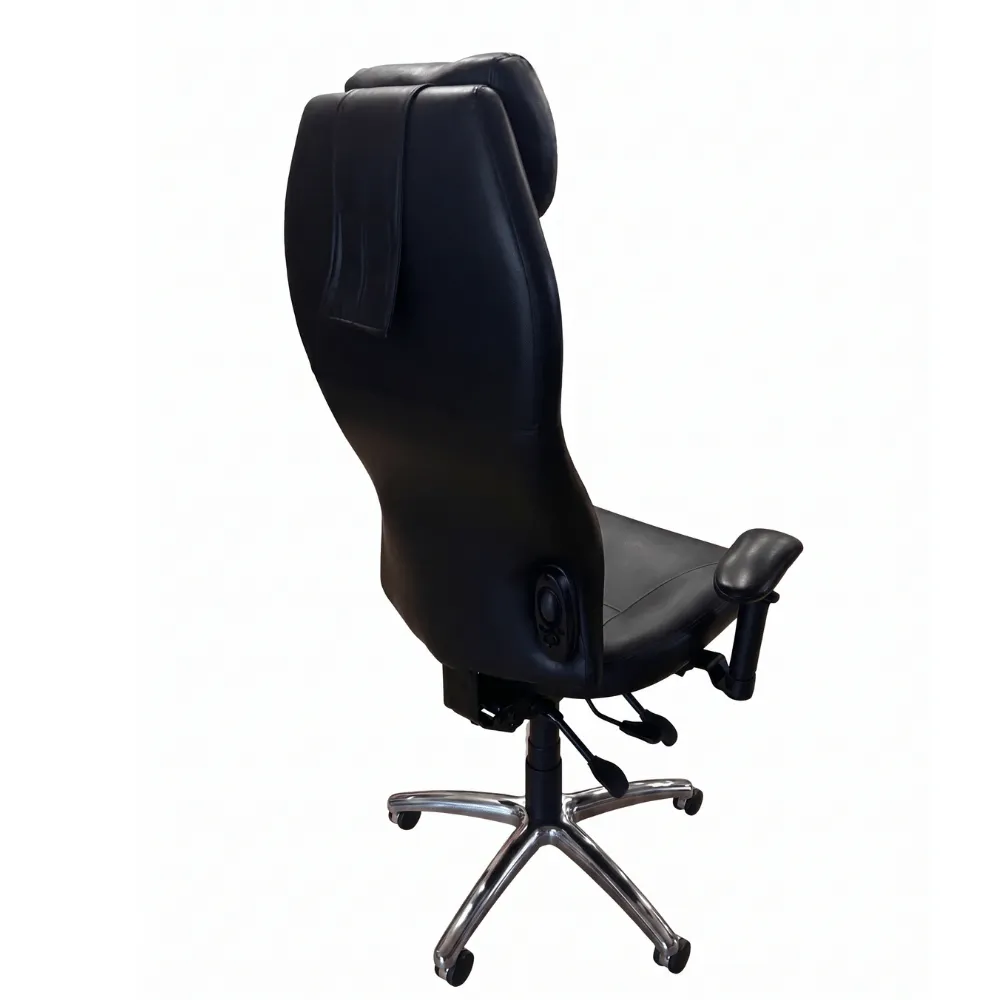
ExecuMark
Seat Sizes
Petite 19″ W × 18″ D
Standard 21″ W × 19-21″ D
Large 21″ W × 22″ D
Capacity: 300 lb, 400 lb big and tall
Warranty: Lifetime cylinder, 12 years

Meo
Seat Sizes
Petite 18½″ W × 17½″ D
Standard 21″ W × 20″ D
Large 21″ W × 20″ D
Wide 22″ W × 22″ D
Warranty: Lifetime cylinder, 12 years
Request This Chair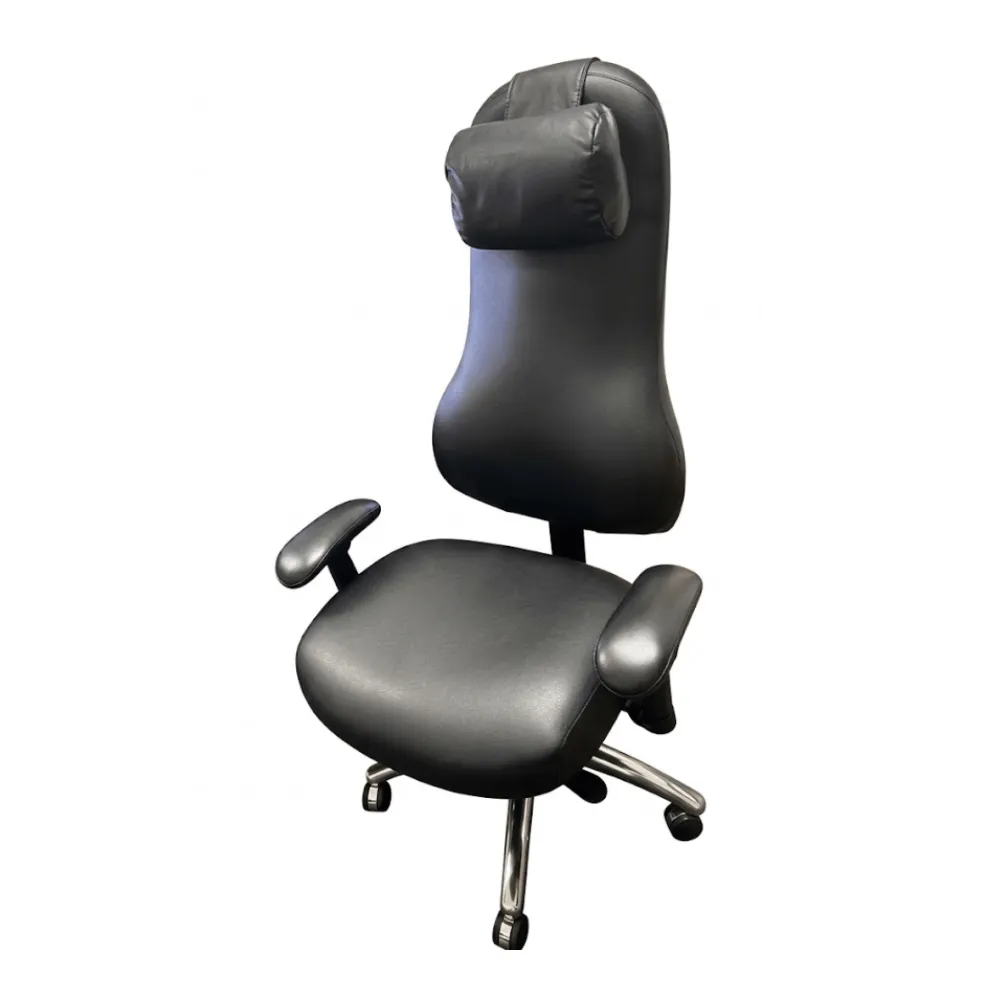
Meo High Back Executive Chair with Pillow
Seat Sizes
Petite 18½″ W × 17½″ D
Standard 21″ W × 20″ D
Large 21″ W × 20″ D
Wide 22″ W × 22″ D
Available in faux leather or real leather.
Leather arm pads
Warranty: Lifetime cylinder, 12 years
Request This Chair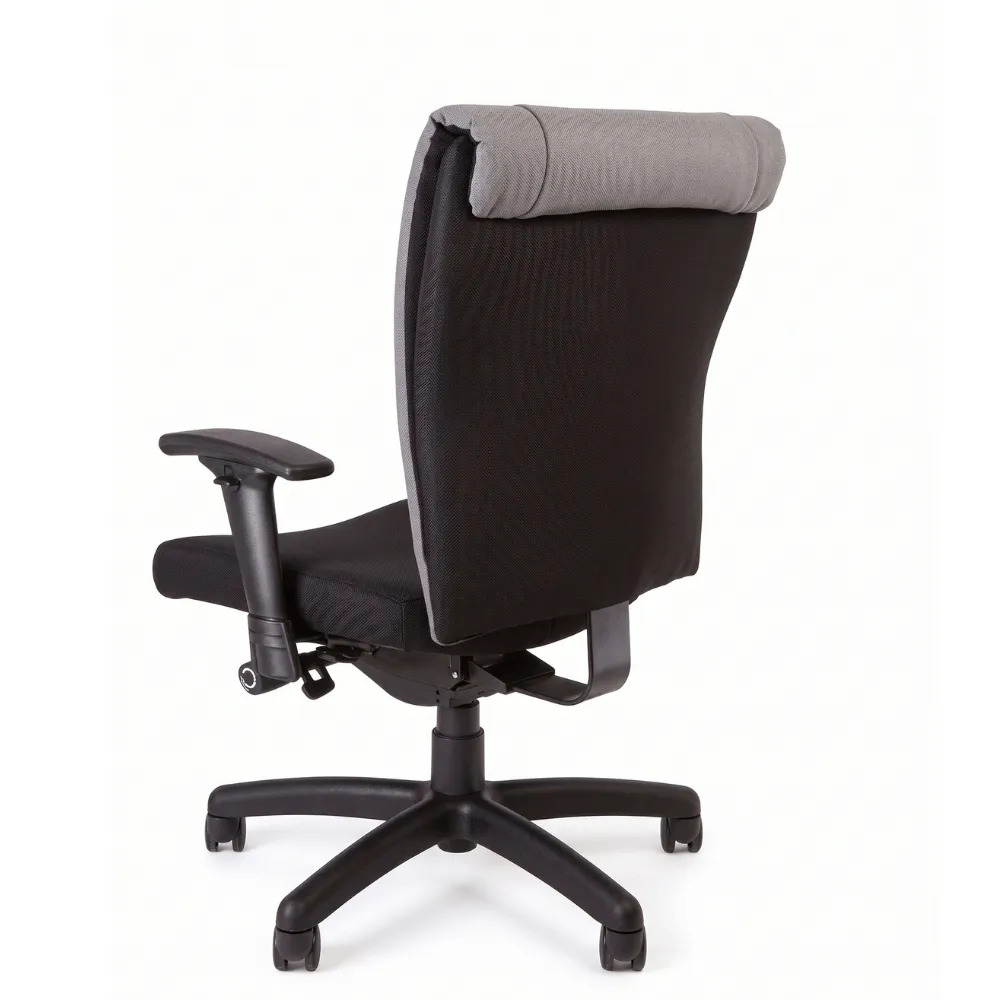
Sienna
Bariatric · 24/7 version available
Back Sizes
24½” wide, 23½” H
24½” wide, 25½” H
Capacity: 500 lb
Warranty: Lifetime cylinder, 12 years
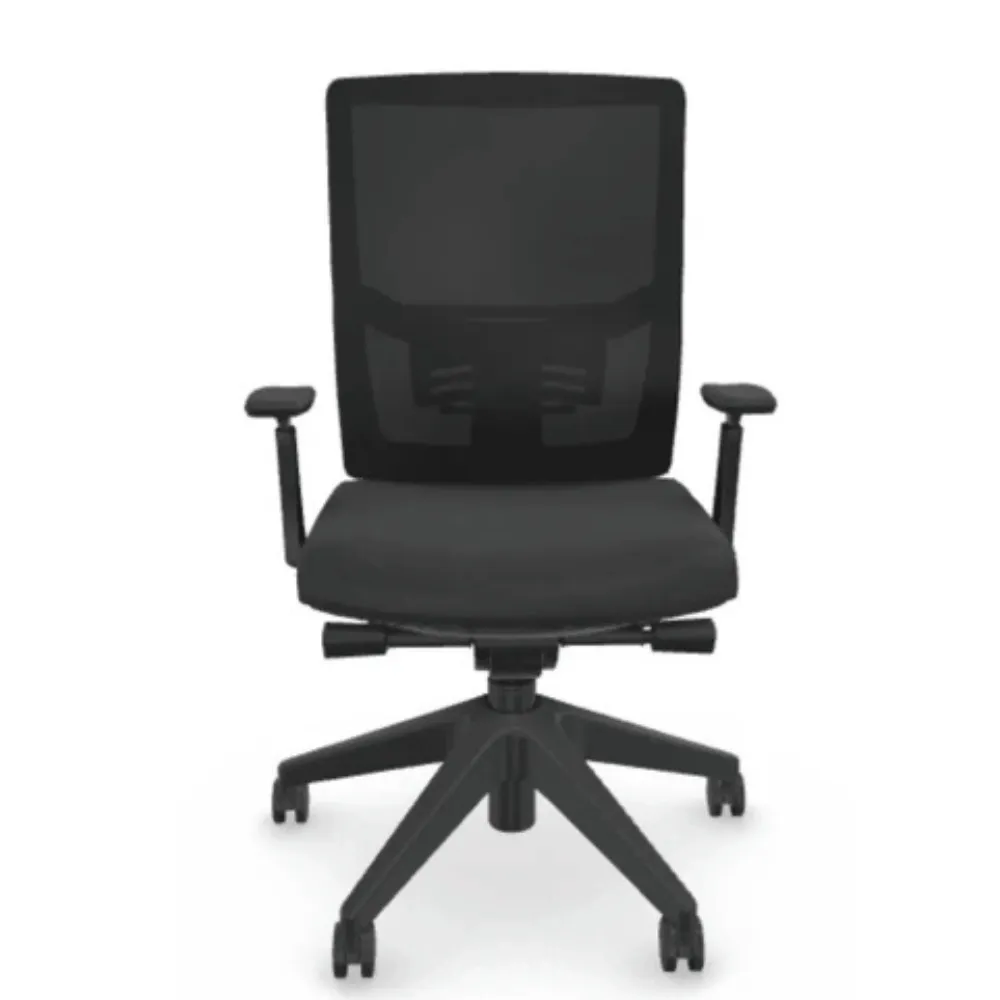
Value Priced Ergonomic Mesh Back Chair
Value tier
Back Sizes
Back Width: 20″
Back Height: 23″
SEAT Sizes
Seat Width: 20″
Seat Depth: 20″-22″
Multiple colors available for seat pan
Request This Chair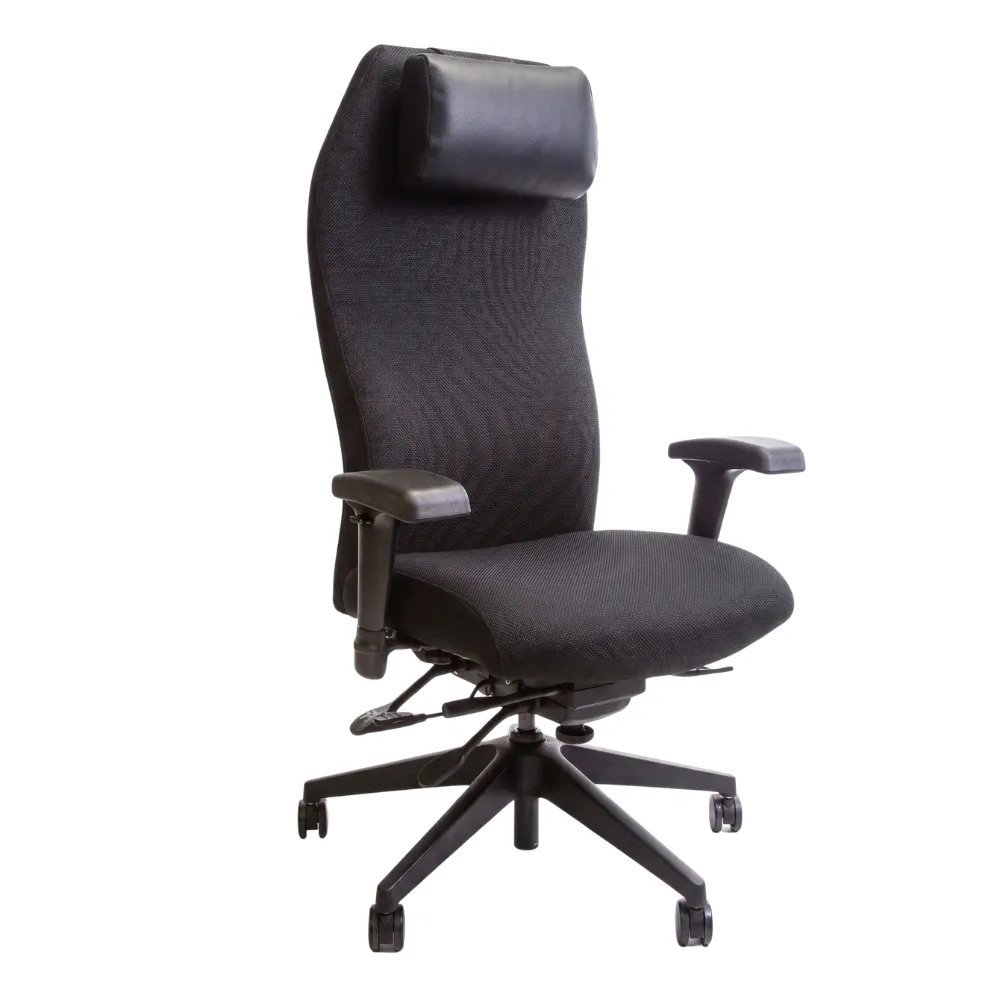
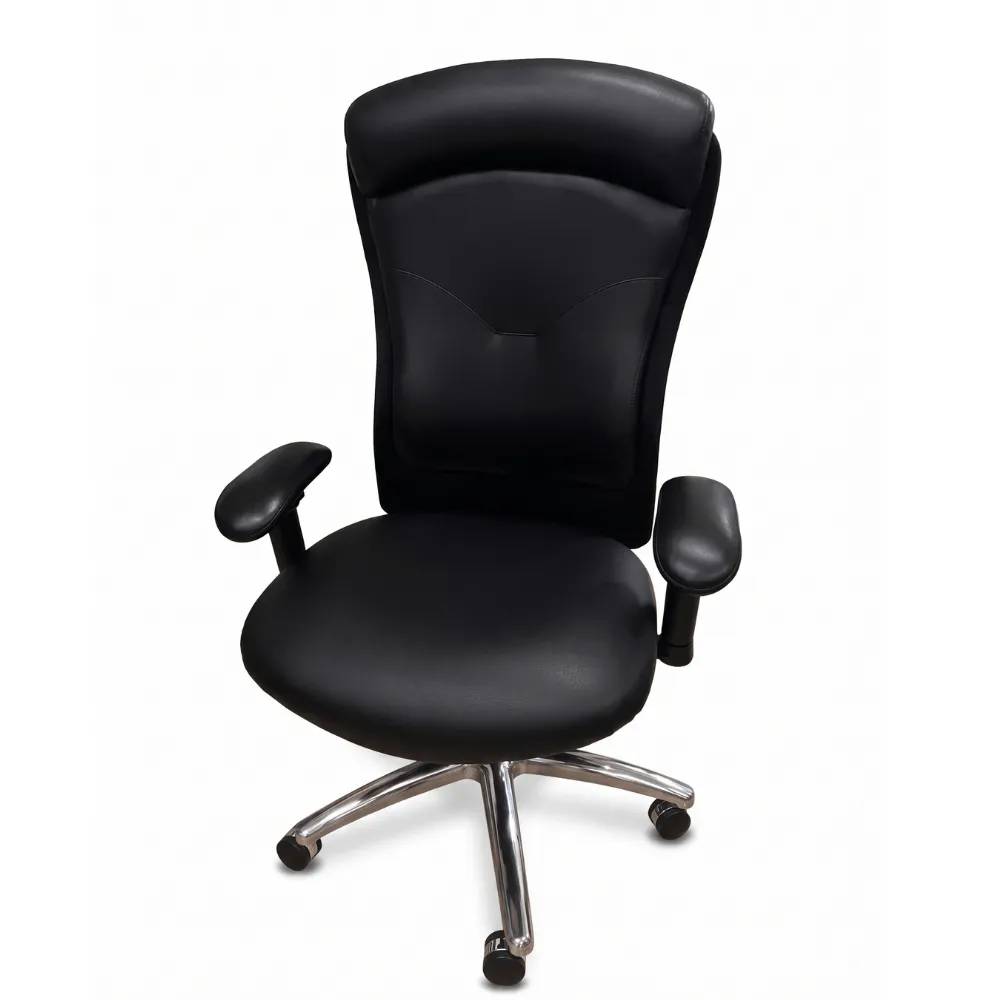
Trademark
Multi-shift 24/7 build available · 350 lb in that build
Back Sizes
Medium 19″ W × 20″ H
Managers high 19″ W × 24″ H
Executive high 19″ W × 32″ H
Seat Sizes
Petite 19″ W × 18″ D
Standard 21″ W × 19-21″ D
Large 21″ W × 22″ D
Capacity: 300 lb, 400 lb big and tall
Warranty: Lifetime cylinder, 12 years
Tuxedo
Back Sizes
Medium 20¼″ W × 22¾″ H
Managers high 21½″ W × 26″ H
Executive high 22″ W × 30″ H
Seat Sizes
Medium 19½″ W × 18½″ D
Managers & executive 21″ W × 20″ D
Capacity: 300 lb
Warranty: Lifetime cylinder, 12 years
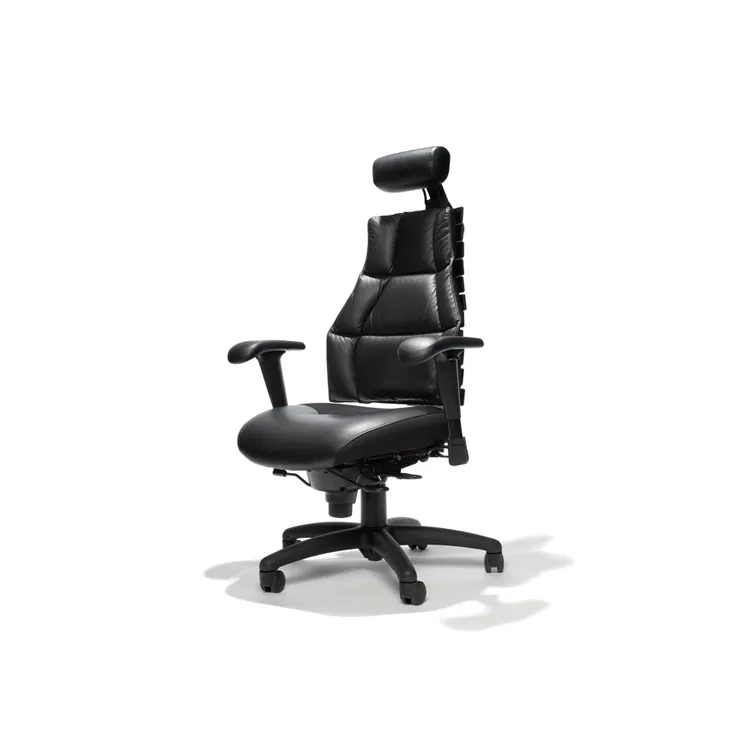
Verte
Back Sizes
19½ x 30, plus 7½ adjustable headrest
Seat Sizes
21½″ W × 20″ D
Capacity: 300 lb
Warranty: Lifetime cylinder, 12 years
All dimensions in inches. Sizes shown are the configurations available, not a fixed build.
Sitmatic
Made in Fullerton, California
Every Sitmatic chair is rated for 24/7/365 multi-shift use as built. Multi-shift is not an upcharge or a separate model here, so the whole line is available for dispatch, control room and other continuous-use environments.
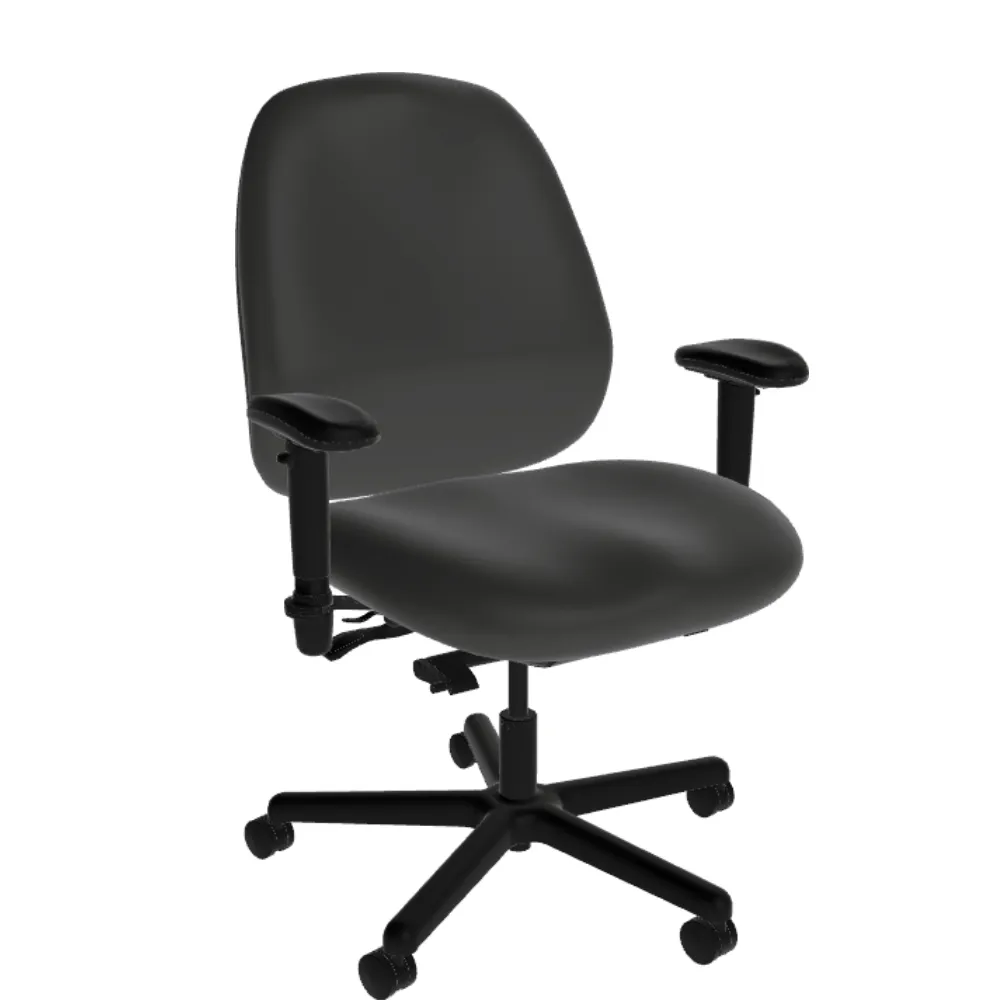
Big Boss Large
Back Sizes
Extra large 22½″ W × 23″ H
Standard 19½″ W × 23″ H
Seat Sizes
Standard 21″ wide
Standard 24″ W
Shallower, 2-4 off the depth
Capacity: No published weight or usage restriction
Request This Chair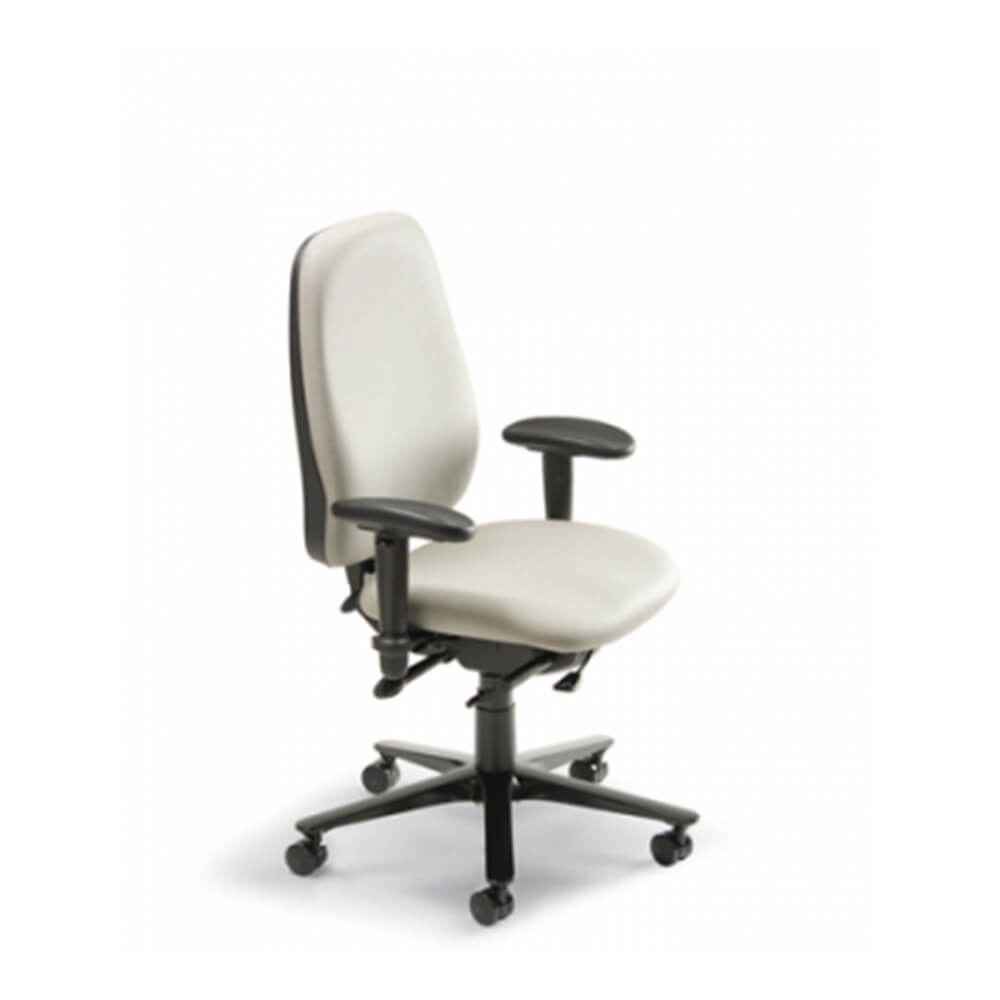
Beta
Back Sizes
Standard
E″ W × tended″ H
Upholstered back shell
Seat Sizes
Petite 16″ W × 16″ D
Work 18½″ W × 14½″ D
Extended 21″ W × 19″ D
Wide 22″ W × 22″ D
Longer, 2 deeper
Shallower, three depths
Request This Chair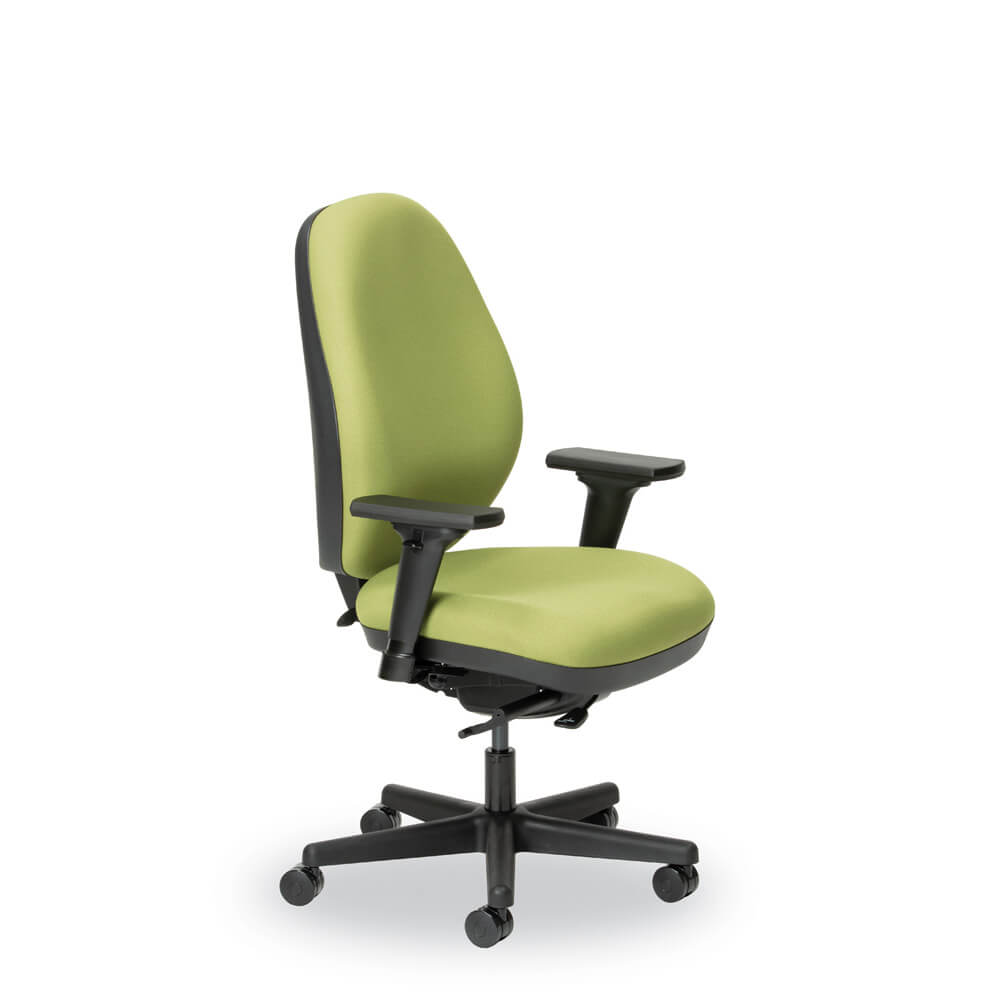
GoodFit
Back Sizes
Low 17″ W × 17″ H
Seat Sizes
Very petite 19-21″ W × 15″ D
Petite 19″ W × 18″ D
Standard 21″ W × 19″ D
Warranty: Lifetime structural
Request This Chair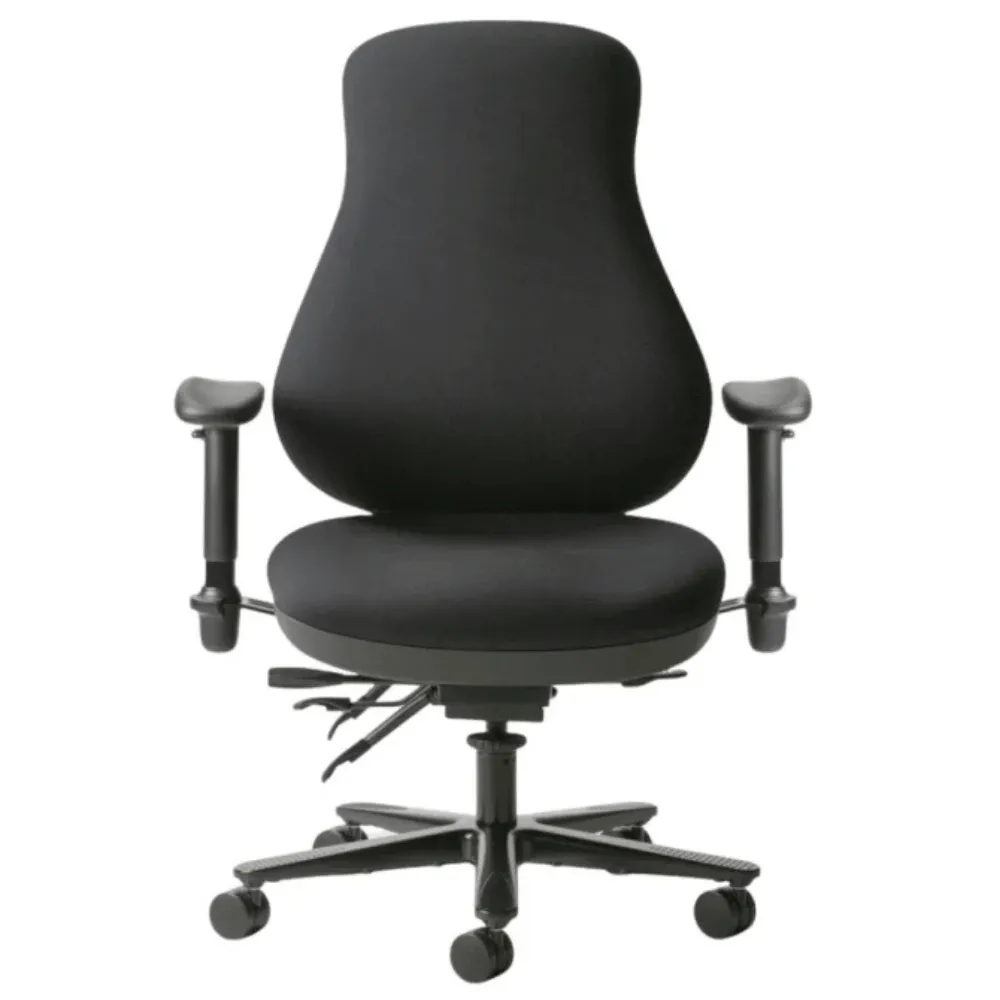
Forma
Seat Sizes
Medium – 19″ W × 18″ D
Standard – 21″ W × 19″ D
Extra Large – 24″ W × 22″ D
Warranty: Lifetime structural
Request This Chair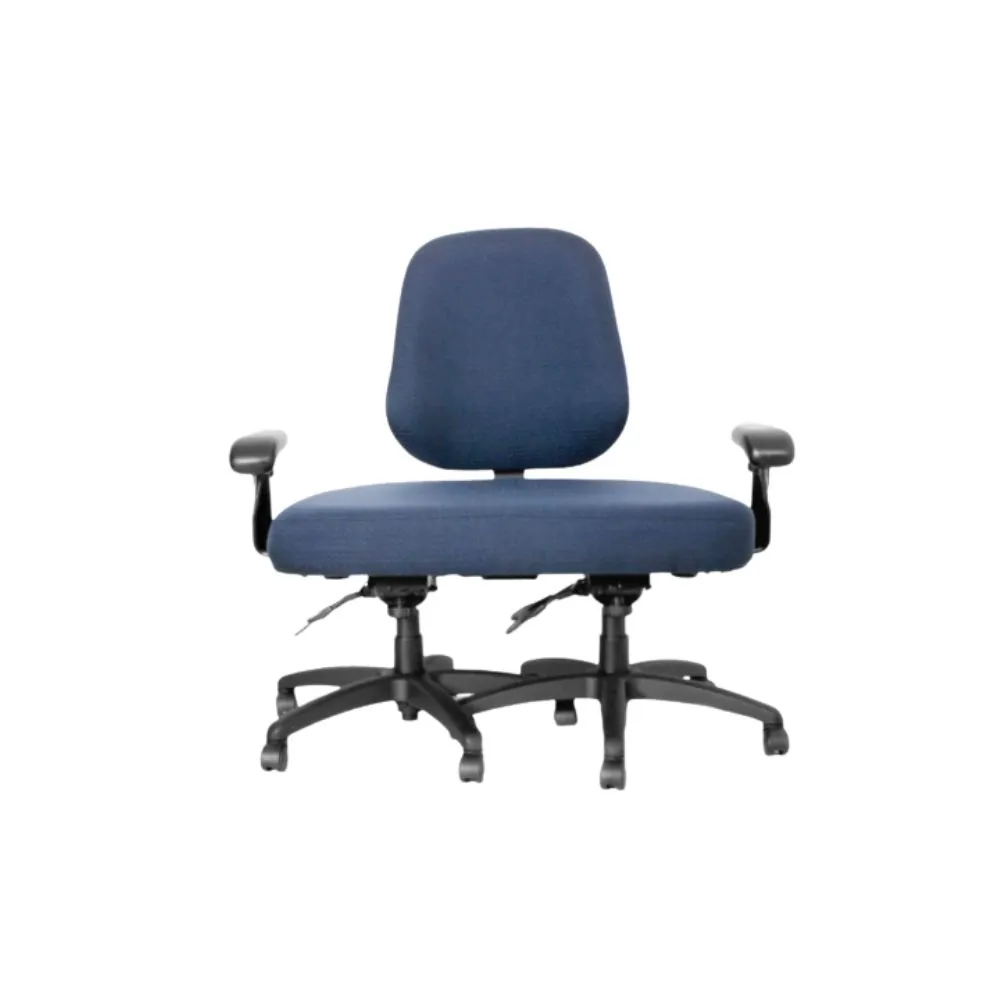
Bariatric
Custom built to a fitting evaluation
#1. 24W”x 22D” – 1 base
#2. 26″W x 22D- 2 bases
#3. 30″W x 22″D
Back Sizes
33″ W × 20″ H
Seat Sizes
36″ W × 24″ D
Big and tall 24″ W × 20″ D
Capacity: 1000lb
Request This ChairAll dimensions in inches. Sizes shown are the configurations available, not a fixed build.
BodyBilt
Executive, intensive use and high-capacity seating
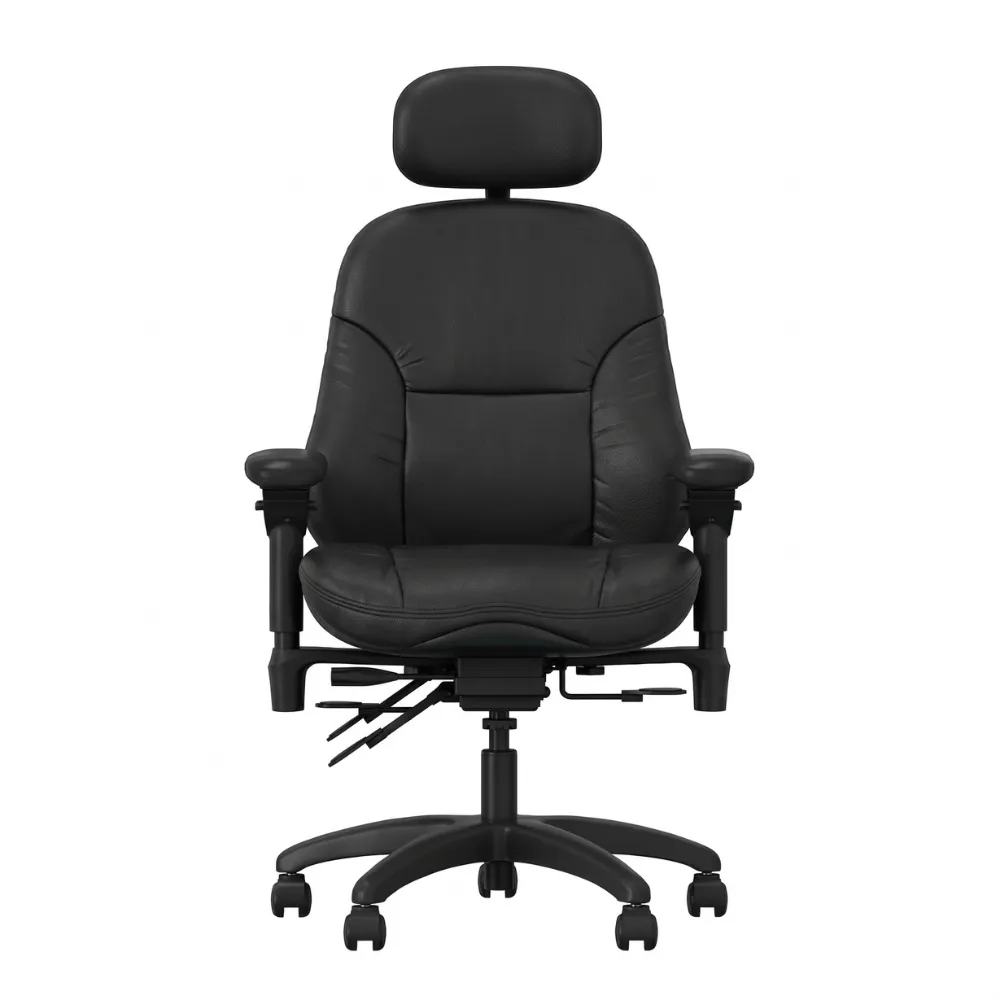
Classic 3500
Executive back
Moderately contoured
19″ × 21″ – Default. Fits most people by size, weight and frame.
Flat, minimal contour
19″ × 21″ – Average-size users who don’t like the contour holding them, or who shift around a lot
Big & Tall, XL Wide
21″ × 26″ – Broad or heavy users, roughly above the 80th percentile. Pairs with the 500 lb rating.
Big & Tall, XL Tall / Stretch
23″ × 23″ – Users over about 6 ft where seat depth is the problem, not width
Request This Chair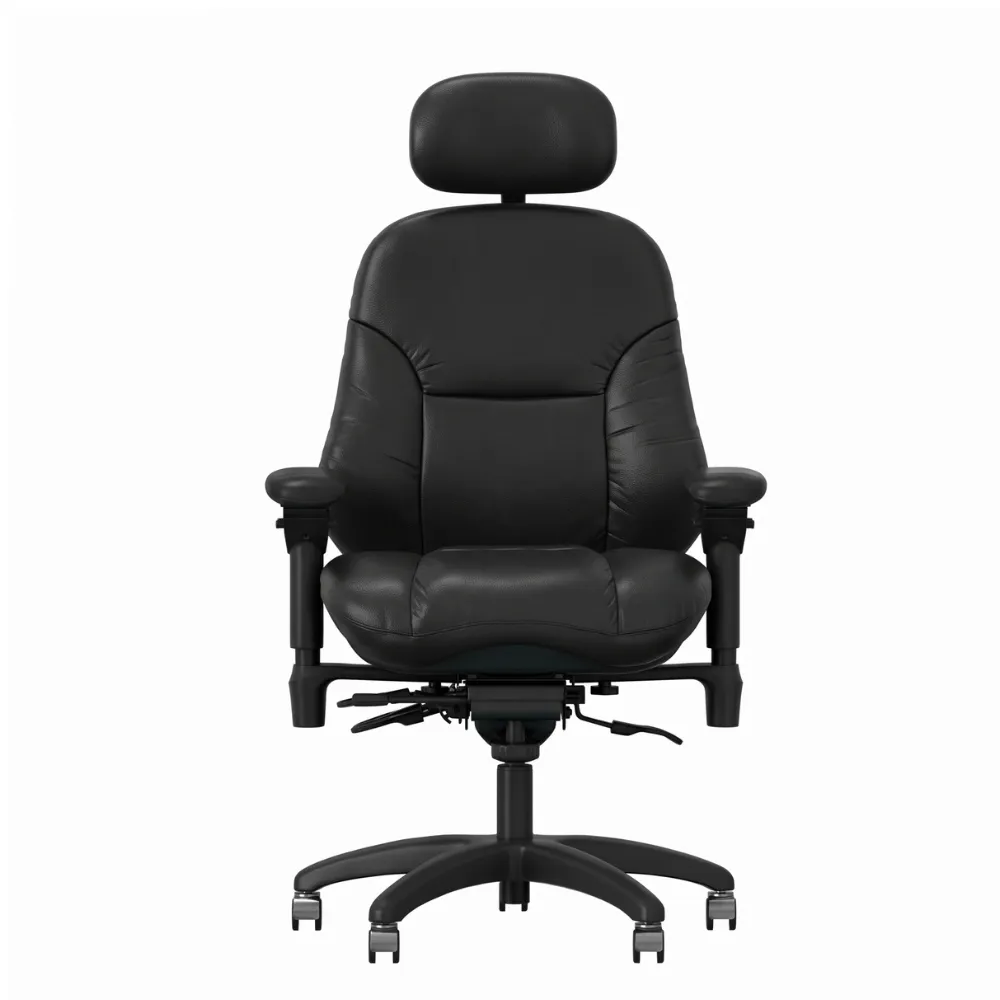
NEXT24 3500
24/7 intensive use
Sizes
24/7 Core high back
#8 flat seat, 300 lb
24/7 Core high back
#9 Stretch seat, 300 lb
24/7 Captain heavy duty high back
#4 wide seat, 500 lb
Capacity: 300 lb, 500 lb in the heavy-duty build
Warranty: limited Lifetime
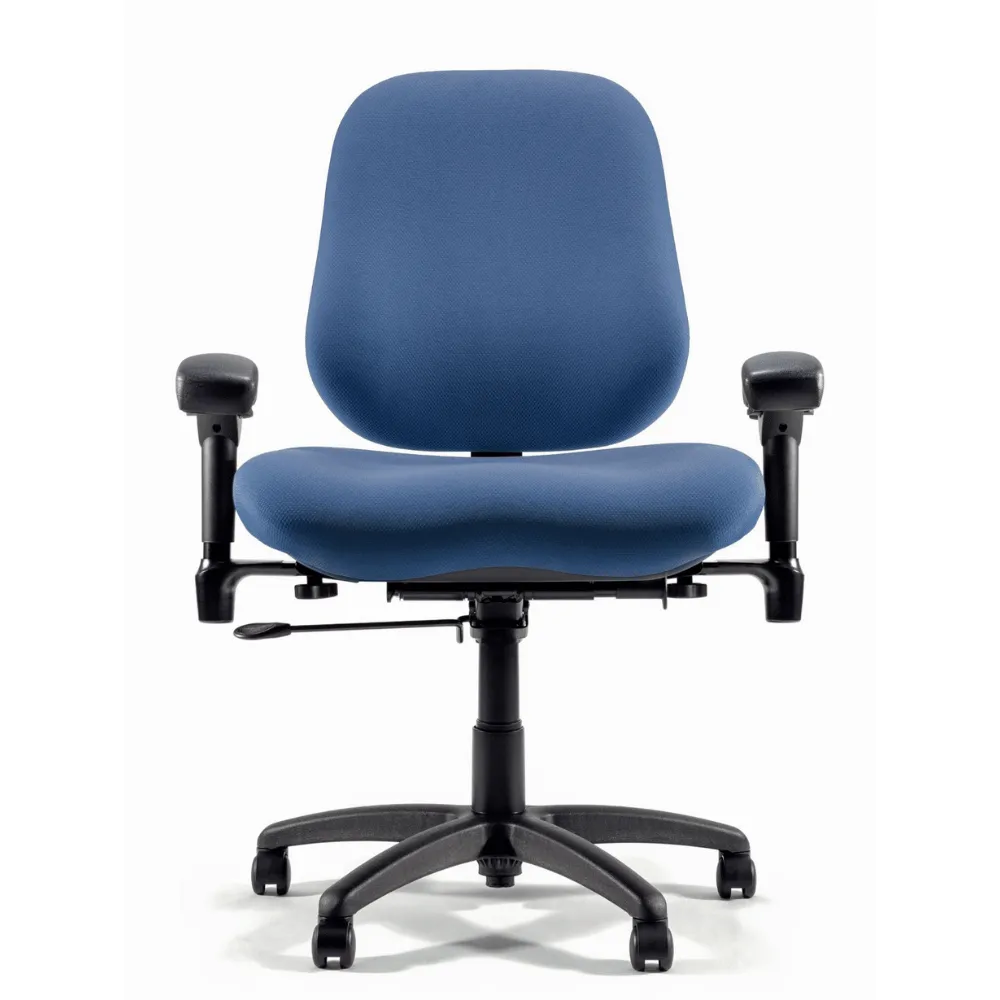
Bariatric 2500
Highest capacity on this page
Back Sizes
High back, no neckroll
SEAT Sizes
22″ deep × 27″ wide, slightly contoured
ARMS
4-Arms, with a unique mechanism for added stability
Capacity: 600 lb
Request This ChairAll dimensions in inches. Sizes shown are the configurations available, not a fixed build.
Neutral Posture
Task and big and tall seating
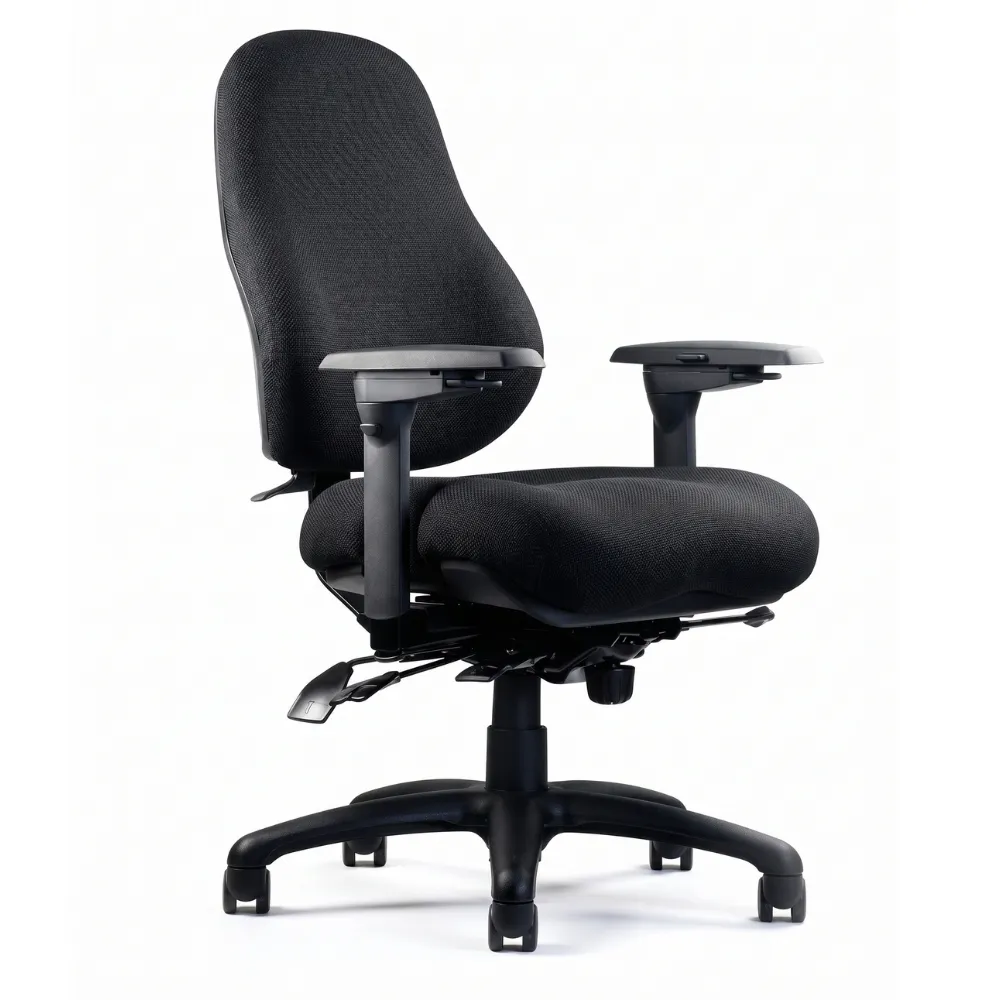
8000 Series
Five seat sizes
Back Sizes
20″ x 23½”, all sizes
Seat Sizes
Medium minimal contour 21″ W × 19″ D
Medium moderate contour 23″ W × 20″ D
Medium deep contour 24″ W × 19″ D
Large minimal contour 23″ W × 21″ D
Large deep contour 25″ W × 22″ D
Capacity: 275 lb
Warranty: Lifetime
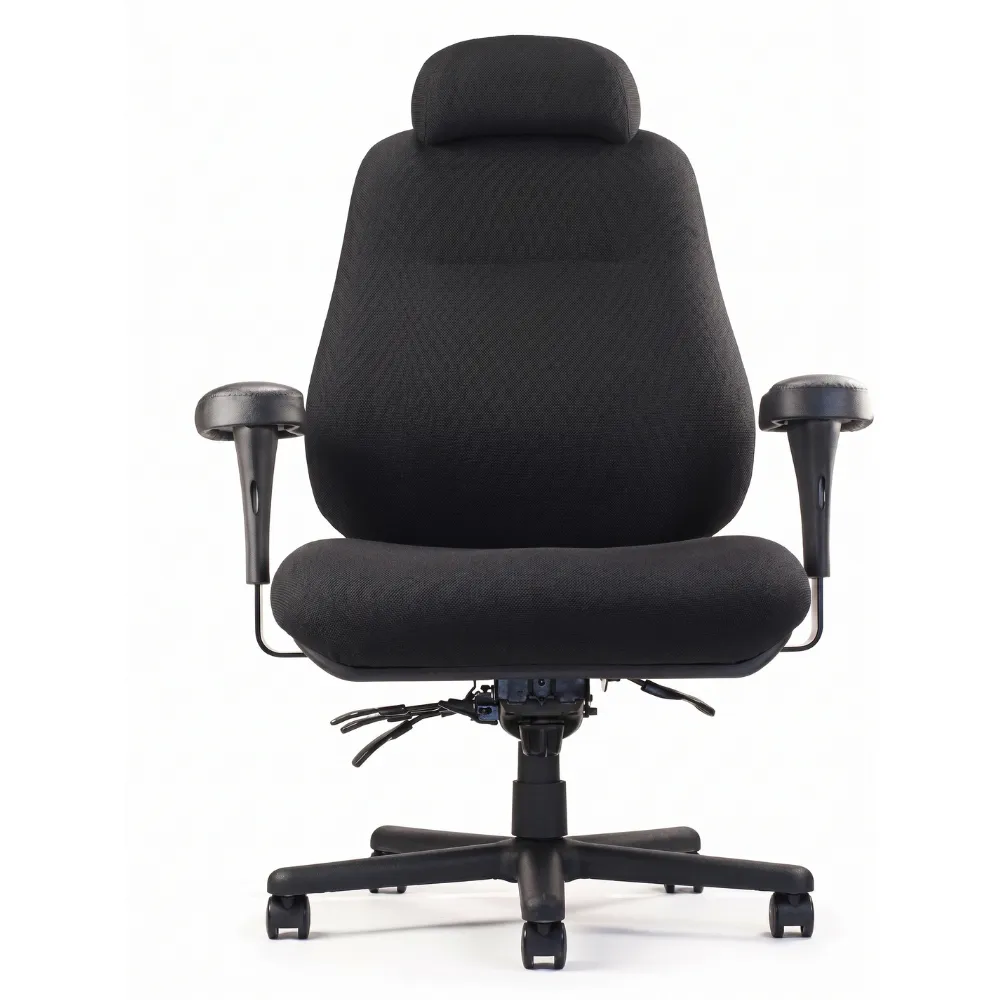
Big and Tall High Performance
Supports users to 500 lb and 7 feet tall
Back Sizes
22″ W, 22-26″H
22½” W, 22-26″ H
24″ W, 24-28″ H
Seat Sizes
23″ W, 19-21″ D
25″ W, 20-22″ D
27″ W, 19-24″ D
Capacity: 500 lb
Warranty: 12 years most components, 10 years controls, cylinders, casters and arms, 5 years foam, mesh, arm pads and lumbar, 3 years upholstery
All dimensions in inches. Sizes shown are the configurations available, not a fixed build.
Office Master
Paramount ergonomic seating and 24-Seven intensive use
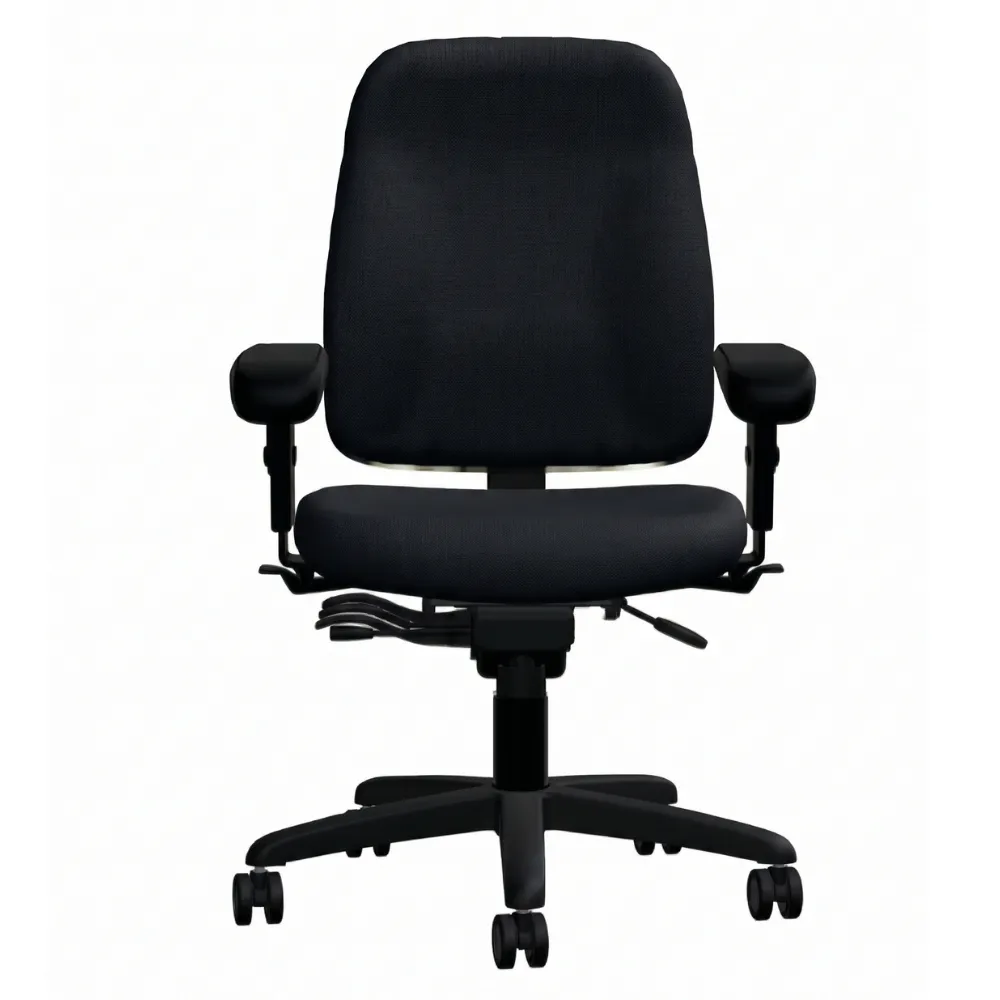
Paramount Series
Five models · extra-low cylinder available on PT62 for petite users
Back Sizes
PT62 Low back, small
19″ W × 16½–19″ D
PT69 High back, small
19″ W × 15½–18.6″ D
PT78 Mid back, large
21″ W × 18–21.1″ D
PT79 High back, large
21″ W × 18–20½″ D
PTYM Tall users
21″ W × 20–22½″ D
Seat Sizes
PT62 19″ W × 16-19.1″ D
PT69 19″ W × 16½-19″ D
PT78 21″ W × 18-21.1″ D
PT79 21″ W × 18-20½″ D
PTYM 21″ W × 20-22½″ D
Capacity: 300 lb
Warranty: Single Shift, 12 year warranty
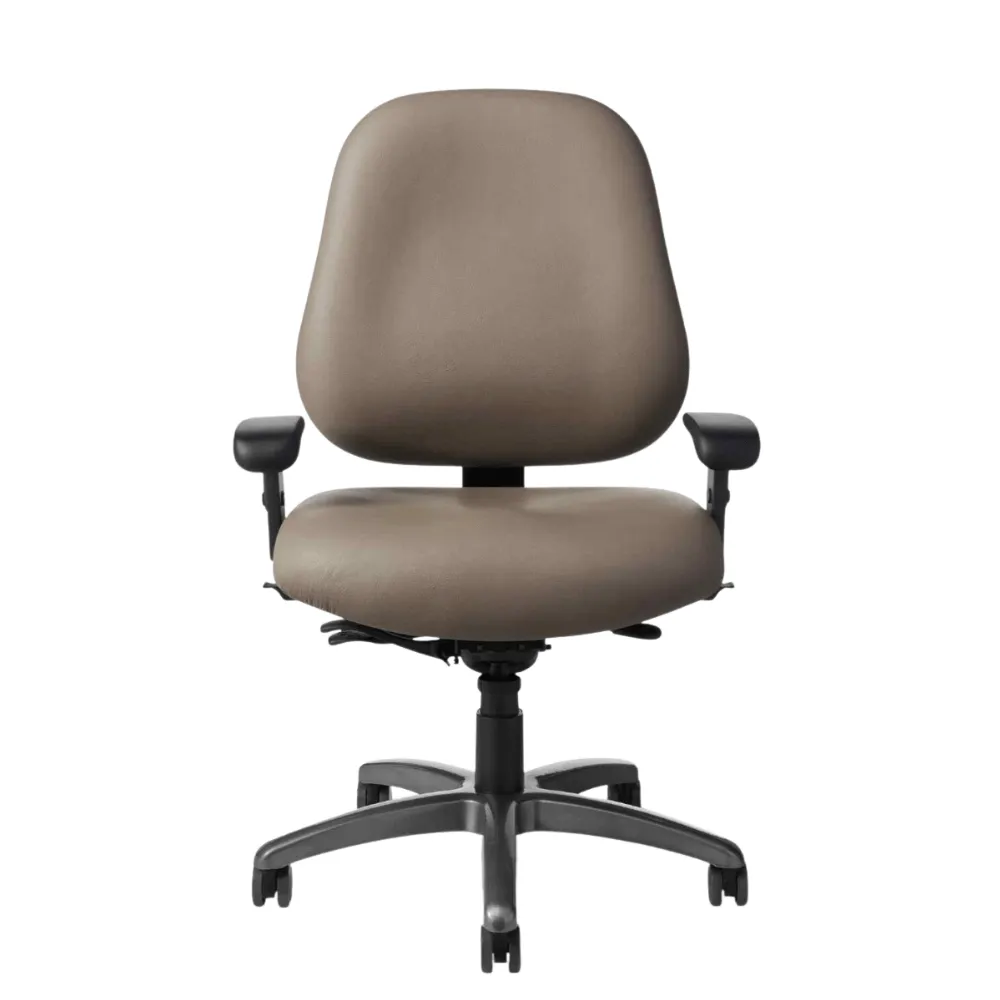
Maxwell Heavy Duty
Two options Mid Back and High Back
MX84 mid Back Sizes
23.5″ W X 20″ H
Overall H 38-47″
mx84 mID BACK seat Sizes
24″ W x 18-20.5″ D
Overall W 28″
MX88 HIGH Back Sizes
23.5″ W x 25″ H
Overall H 43-52″
mx88 mID BACK seat Sizes
24″ W x 18-20″ D
Overall W 28″
Capacity: 450 lb
Warranty:
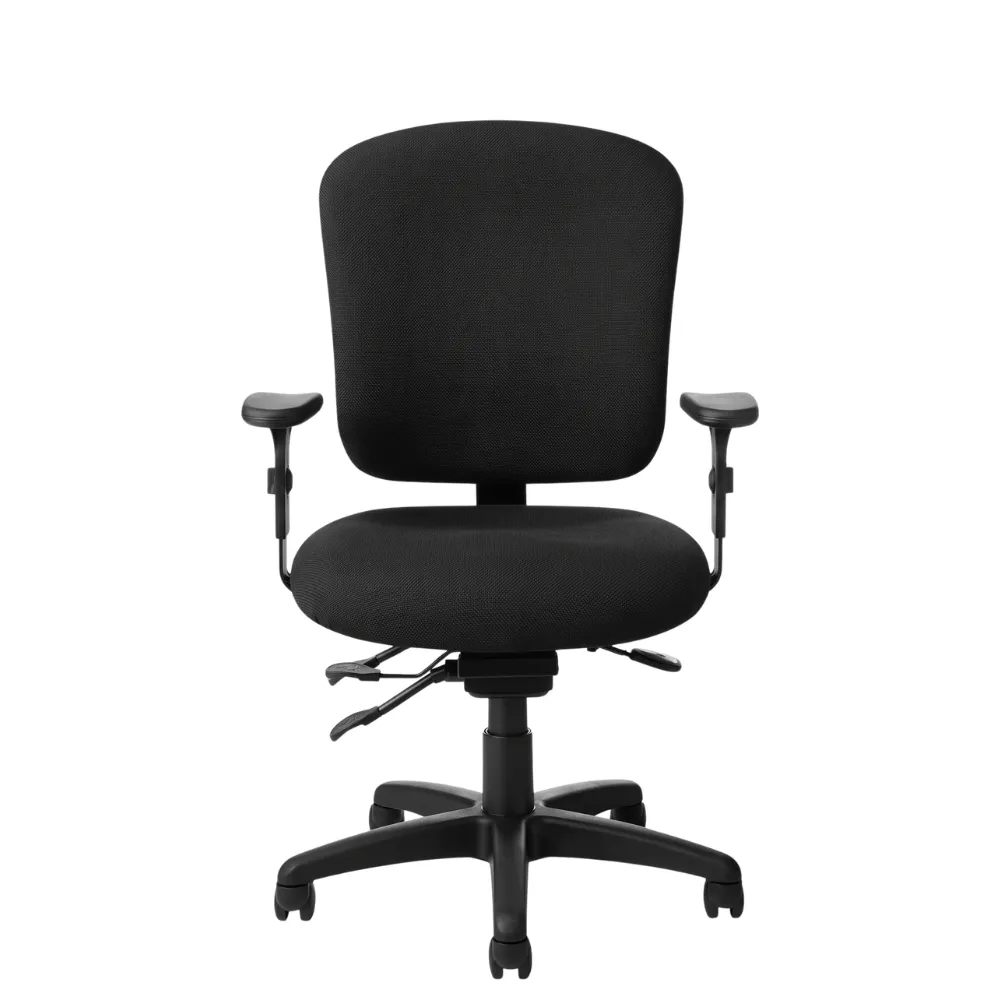
24×7 PT Heavy Duty Chairs
Five options
Sizes available
PT54IU Mid back, medium build
PT72IU Mid back, average to medium stature
PT76IU Mid back, large build
PT58IU High back, large/tall 300lb support
PT Intensive Use Heavy Duty (PTHD / PD): 350 lb, with ballistic nylon
All dimensions in inches. Sizes shown are the configurations available, not a fixed build.
ergoCentric
Modular ergonomic seating, built to the user
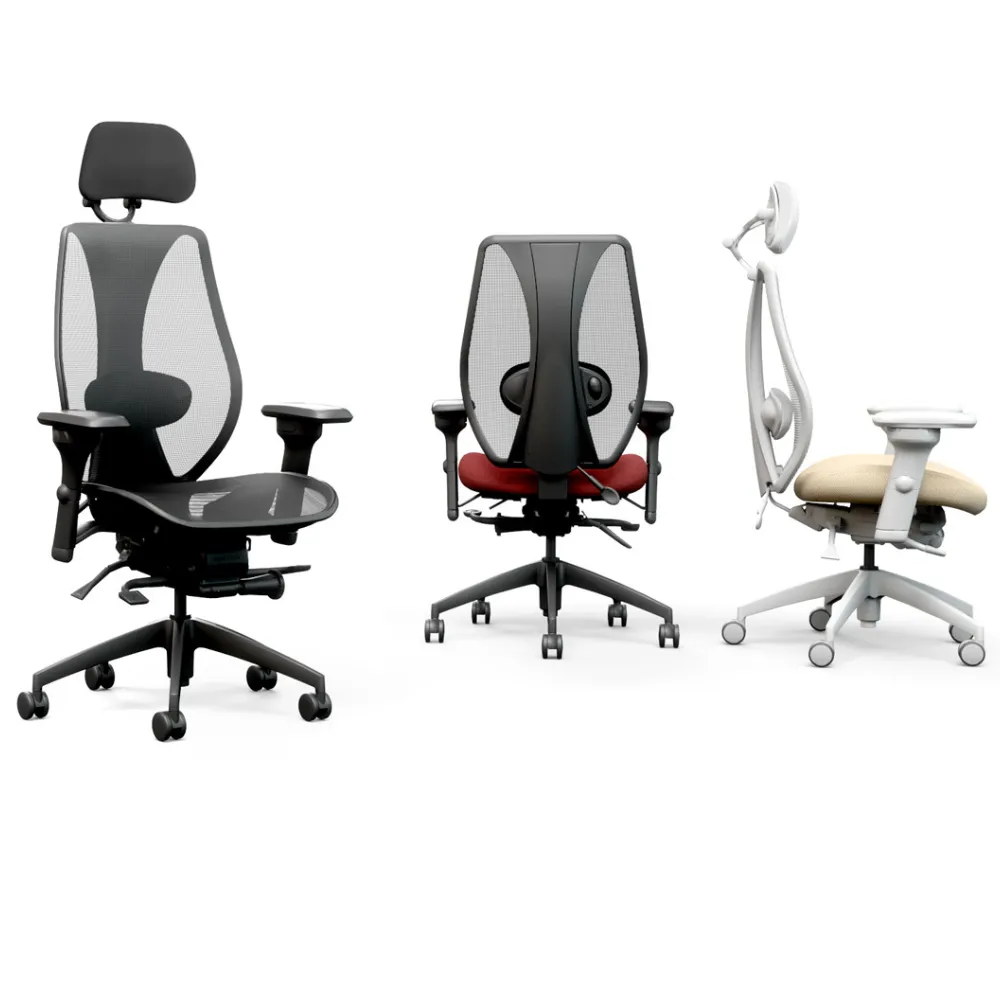
tCentric Hybrid
Sizes Available
Extra Small (XSS)
17½″ W × 15½″ D
Large / Standard (LS)
20″ W × 19″ D
Plus Size (PS)
22″ W × 19″ D
Extra Long (XLS)
20″ W × 21″ D
Extra Deep (XPS)
22″ W× 21″ D
Capacity: 300 lb
Request This Chair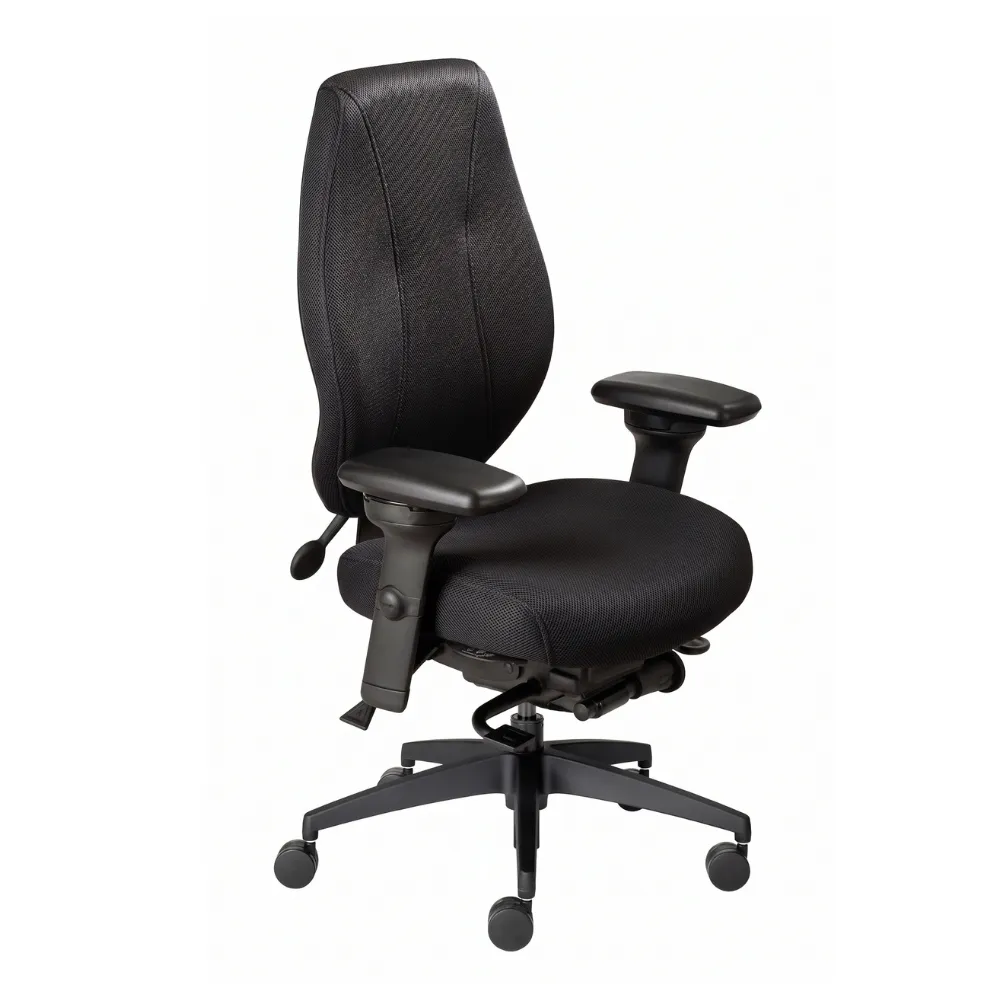
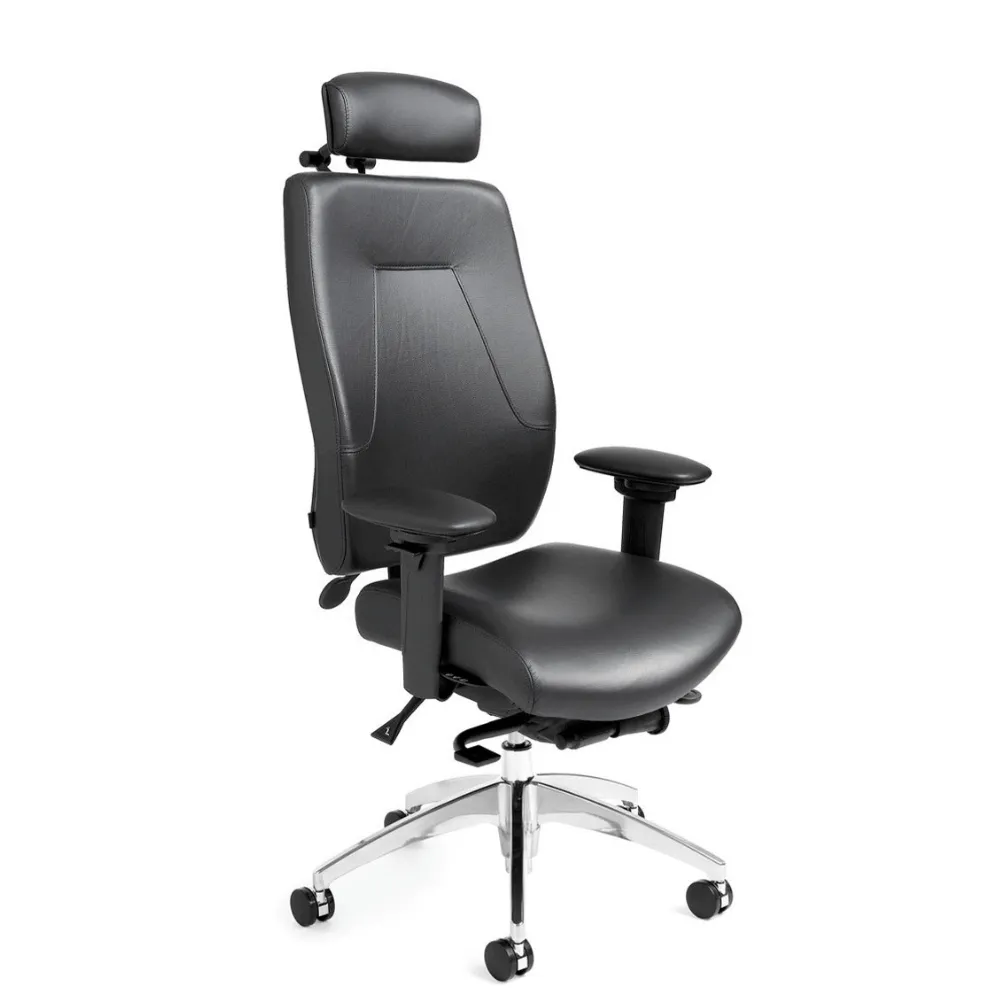
eCentric Executive Chair
Sizes available
Extra Small 19″ W × 18″D
Small 21″ W × 19″ D
Standard 20″ W × 19″ D
Plus Size 22″ W × 21″ D
Large Heavy Duty 23–24″ W × 21–22.5″ D
All dimensions in inches. Sizes shown are the configurations available, not a fixed build.
ECD
Premium mesh ergonomic seating
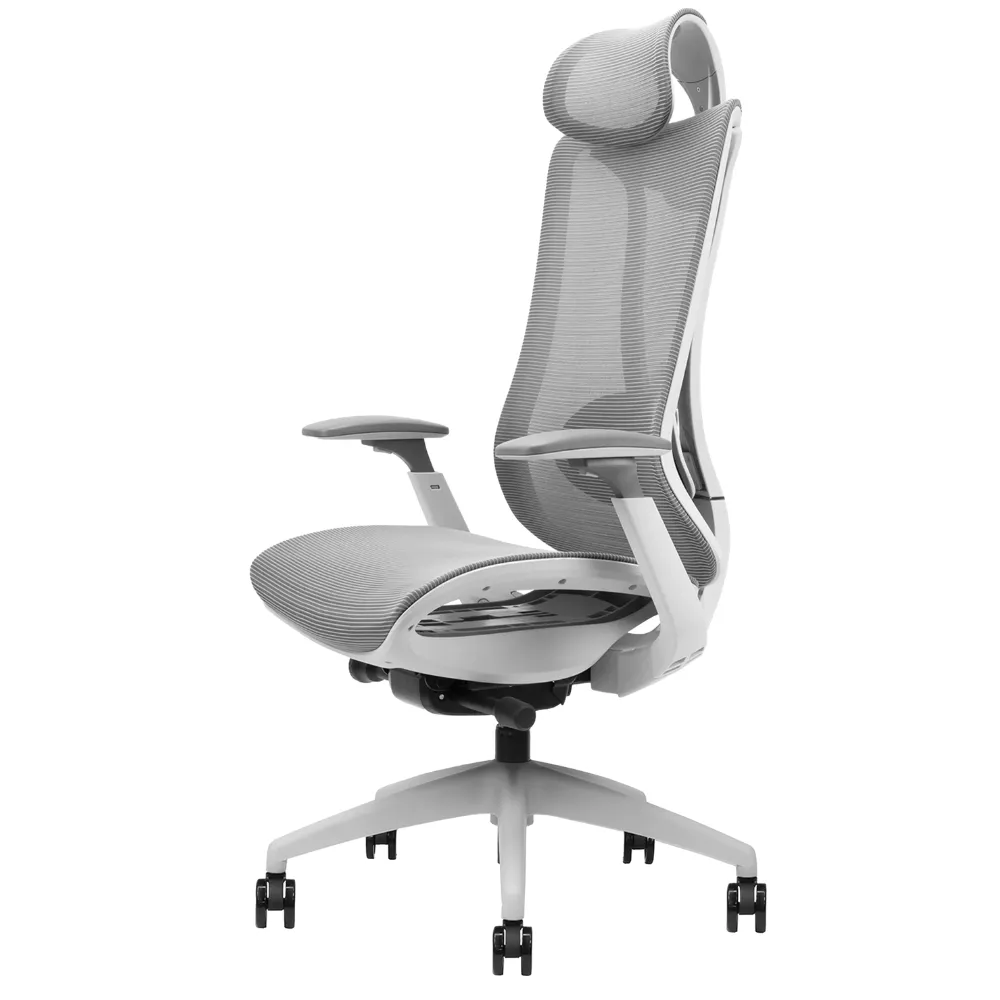
Nubé
Back Sizes
All mesh 17 x 24, headrest optional
Seat Sizes
Standard 19″ W × 19″ D
Capacity: 350 lb
Warranty: 10 years
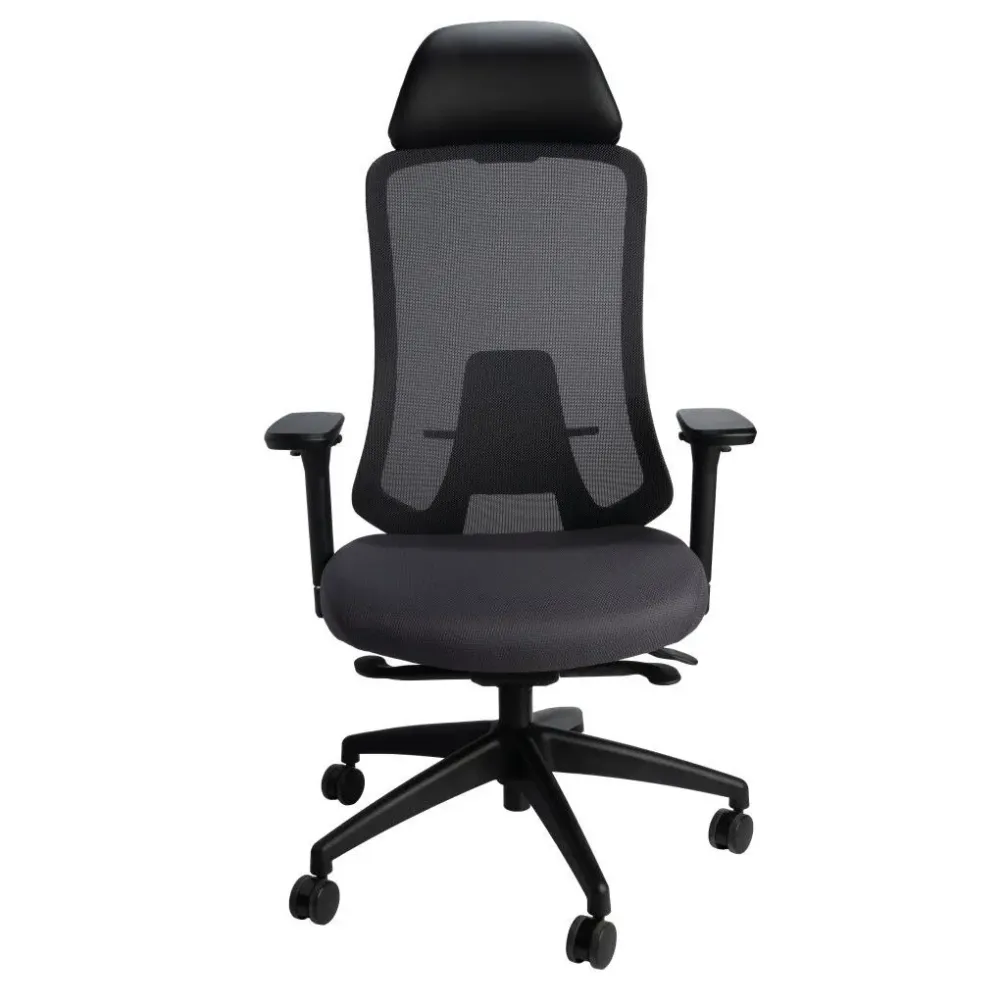
Lagos
Sizes
Petite – 18″ W × 16″ D
Standard – 19″W × 18″ D
Tall – 20″ W × 20″ D
Large – 22″ W × 19″ D
Extra Large – 26″ W × 21″ D
Capacity: 350 lb
Warranty:
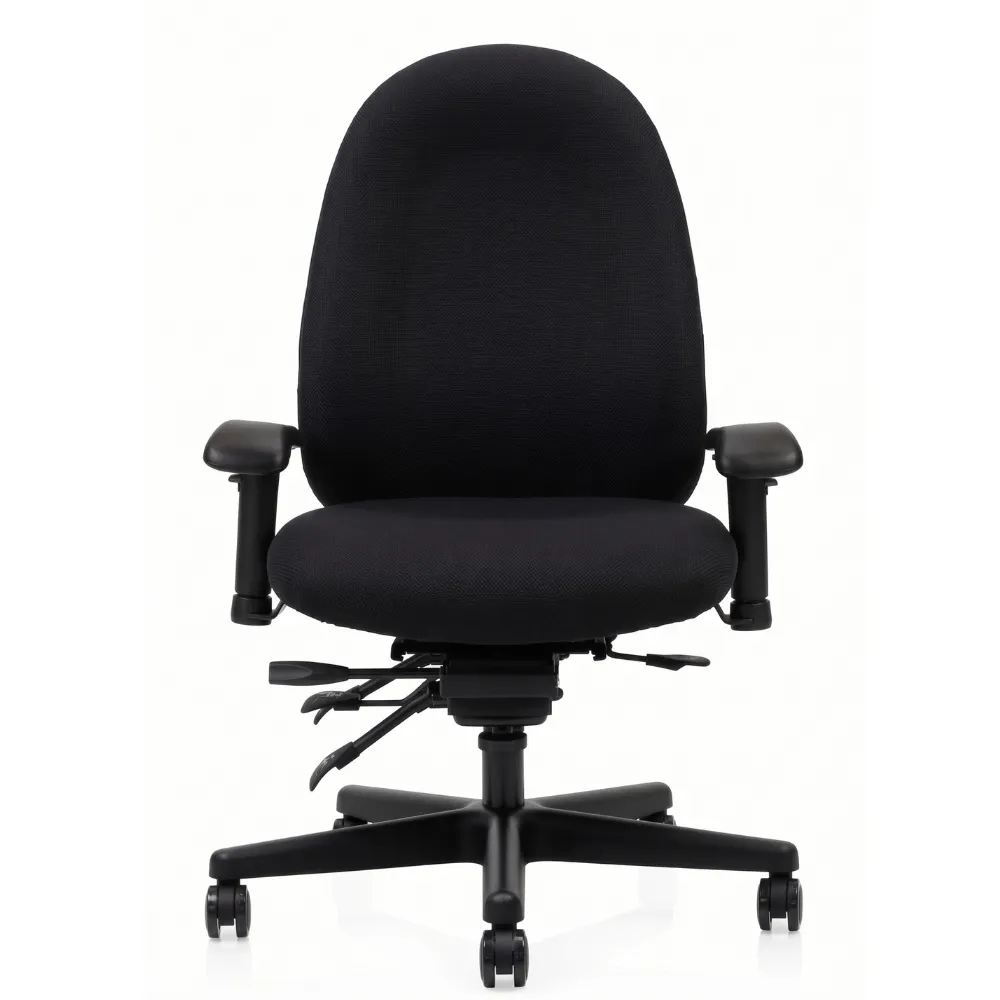
Quest
Sizes
Petite – 18″ W × 16″ D
Standard – 20″ W × 18″ D
Tall – 20″ W × 20″ D
Large – 22″ W × 19″ D
Extra Large – 26″ W × 21″ D
All dimensions in inches. Sizes shown are the configurations available, not a fixed build.
Ask About a Program
Tell us the environment and the headcount. We will come back with the configurations that fit your people and your budget.
"*" indicates required fields