


Pipetting Chair- Ergonomic Lab Stool for Pipetting and Microscopy
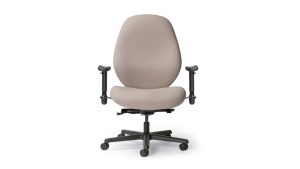
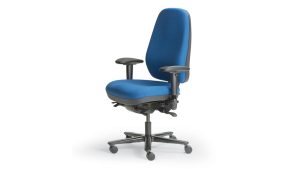
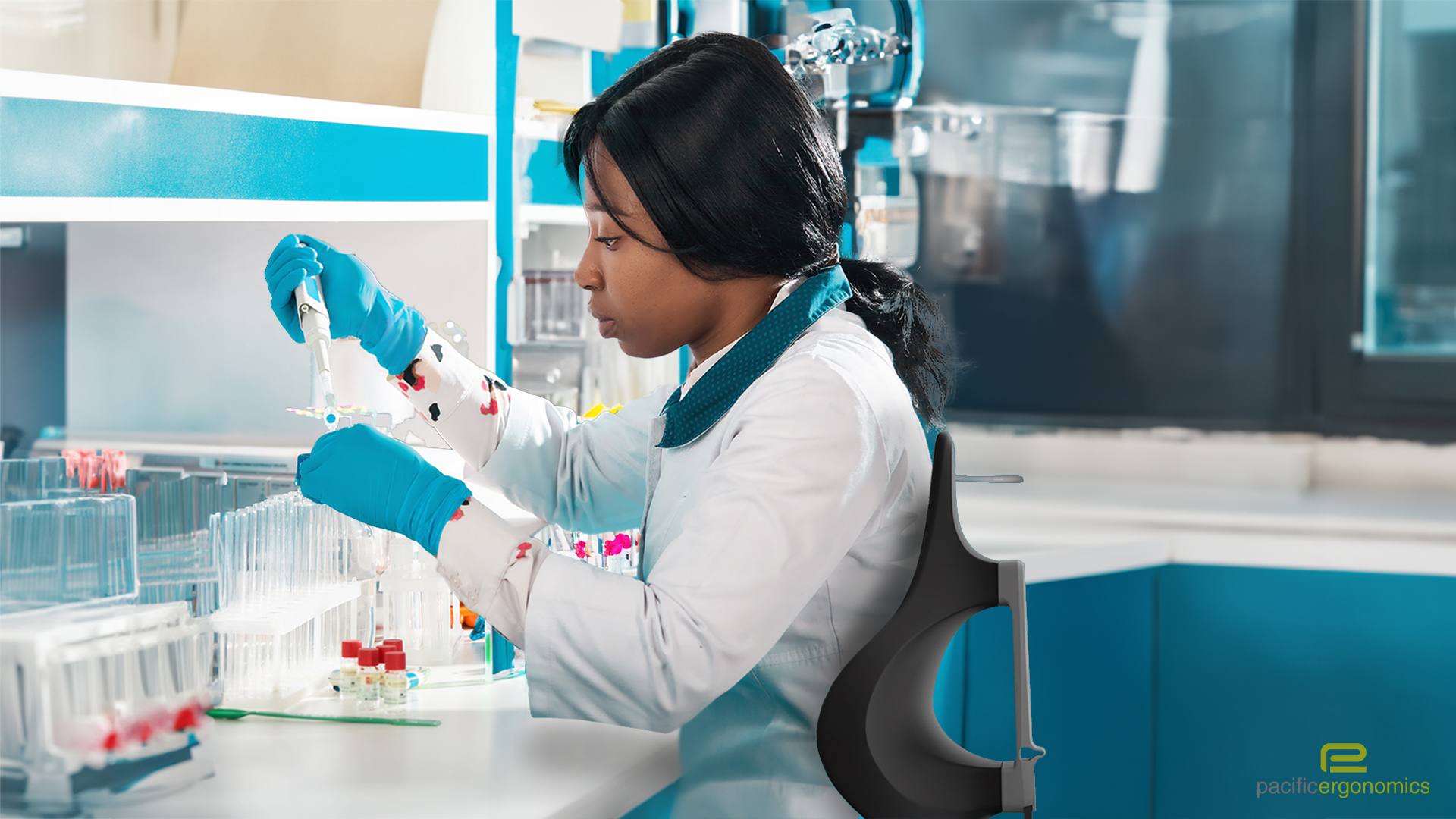
Reduce fatigue and improve posture during long hours of pipetting or microscope work with our ergonomic pipetting chair. This adjustable lab seating solution is ideal for laboratory technicians, researchers, and quality control staff who require both comfort and stability during repetitive precision tasks.
Whether you’re pipetting, using a microscope, or transitioning between bench heights, this laboratory stool supports proper posture and performance in controlled environments.
Description
Why Use an Ergonomic Pipetting Chair?
Pipetting often requires forward-leaning posture and static upper-body positioning. Without the right seating, this can lead to back strain, wrist discomfort, and reduced focus.
Our ergonomic lab stool for pipetting and microscopy offers:
-
Forward tilt and lumbar support
-
Height adjustability for different bench or microscope levels
-
Waterfall seat edge to ease leg pressure
-
Optional foot ring for balanced lower body support
Key Features of our Ergonomic Pipetting Chair
-
Ergonomic backrest with tilt functionality
-
Smooth, seat-height adjustability for precision positioning
-
ESD-safe and cleanroom-ready options available
-
Chemical-resistant, antimicrobial vinyl upholstery
-
Stable base with locking casters
-
Optional chrome foot ring for ideal pipetting posture
-
SEFA 12-compliant design for laboratory-grade seating
Designed for Easy Mobility During Pipetting Tasks
Pipetting workflows often require you to shift positions, glide between workstations, or rotate between benches and microscopes. Our ergonomic pipetting chair is equipped with smooth-rolling, lab-grade casters and a 360° swivel base, so you can move effortlessly without straining or compromising your posture. The back flexes as there are slight movements, still providing back support and comfort.
Mobility Features:
-
✅ ESD-safe or cleanroom casters that roll easily on lab flooring
-
✅ 360° swivel for smooth transitions between tasks
-
✅ Stable five-star base to support controlled movement
-
✅ Optional glides or braking casters for safety in fixed-position zones
Whether you’re reaching for pipette racks, accessing a biosafety cabinet, or moving between lab benches, this chair supports fluid motion and ergonomic control.
“Mobility matters when you’re pipetting. Our lab chairs are designed to keep you moving—safely and efficiently.”
Who It’s Best For
-
Lab technicians performing pipetting and repetitive sample work
-
Professionals using microscopes for extended periods
-
Quality control and cleanroom specialists
-
Researchers in biotech, pharmaceutical, academic, and clinical settings
-
Anyone seeking adjustable lab seating that prioritizes comfort and function
Lab-Grade Ergonomic Assurance
This seating solution is engineered for performance and compliance in precision workspaces:
-
✅ SEFA 12 Compliant
-
✅ ISO Class 6 Cleanroom compatible
-
✅ Available as an ESD-safe lab stool
-
✅ Designed for daily use in sterile and static-sensitive environments
“When you’re working in precision, comfort is performance. Our pipetting chairs are designed to keep lab professionals focused, stable, and supported.”
– Annie Berzanski, CEO, Pacific Ergonomics
Why ESD Chairs Matter in Pipetting Labs
Labs that handle static-sensitive instruments or environments, such as:
-
Electronics (PCB assembly, semiconductor R&D)
-
Biotech/Cleanrooms (biosafety cabinets, sterile workflows)
-
Pharma QC/Analytical (mass spec, chromatography that includes electronic components)
“In most labs where pipetting intersects with electronics or controlled environments, ESD-safe seating is required to meet ANSI/ESD STM12.1 and contamination-control protocols.”
Related Product Categories
Frequently Asked Questions
What makes a chair ideal for pipetting?
A pipetting chair is designed to support posture during repetitive upper-body tasks. Features like forward seat tilt, back support, and adjustable foot rings help reduce musculoskeletal strain.
Can this chair also be used as a microscope chair?
Yes. Its height range and ergonomic structure make it ideal for tasks like microscopy, pipetting, and detailed bench work—all while supporting upper body alignment.
What standards does this chair meet?
This model meets SEFA 12 lab seating standards, and is available in configurations for ESD-safe and ISO cleanroom environments.
Why does foot ring support matter in lab seating?
A foot ring improves blood circulation and posture—especially during high-bench tasks like pipetting—by reducing strain on thighs and lower back.