
What Makes Executive Office Seating Work
Pacific Ergonomics has spent over 25 years fitting out executive offices for companies across San Diego County and nationwide, and the seating arrangements that work well share a common thread: variety. A single ergonomic desk chair covers the hours spent at a computer, but an executive office also hosts one-on-one meetings, quick calls, and moments where someone just needs to think. Building in a few different seating types covers all of that without cluttering the room.
Lounge Chairs and Soft Seating
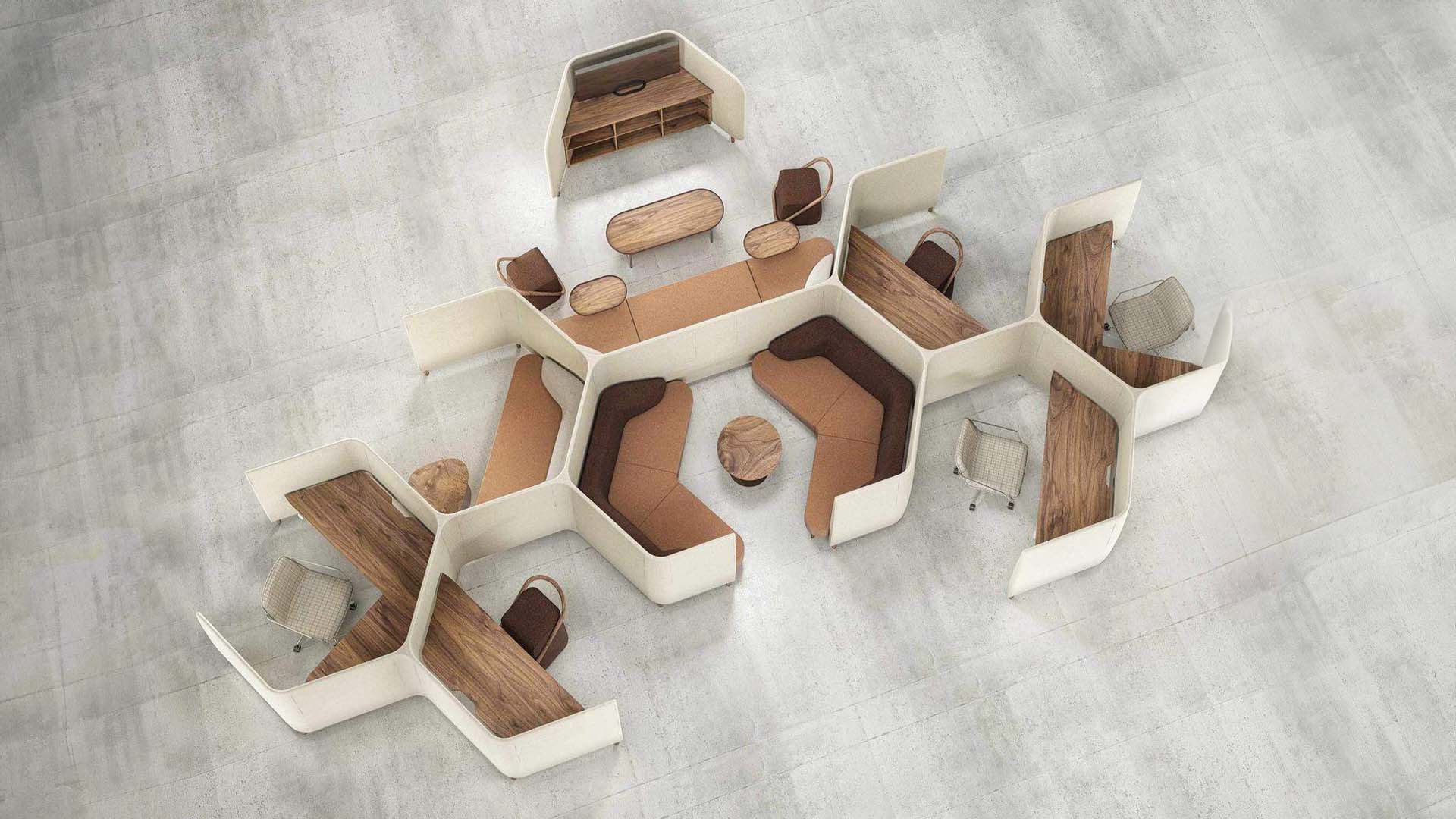
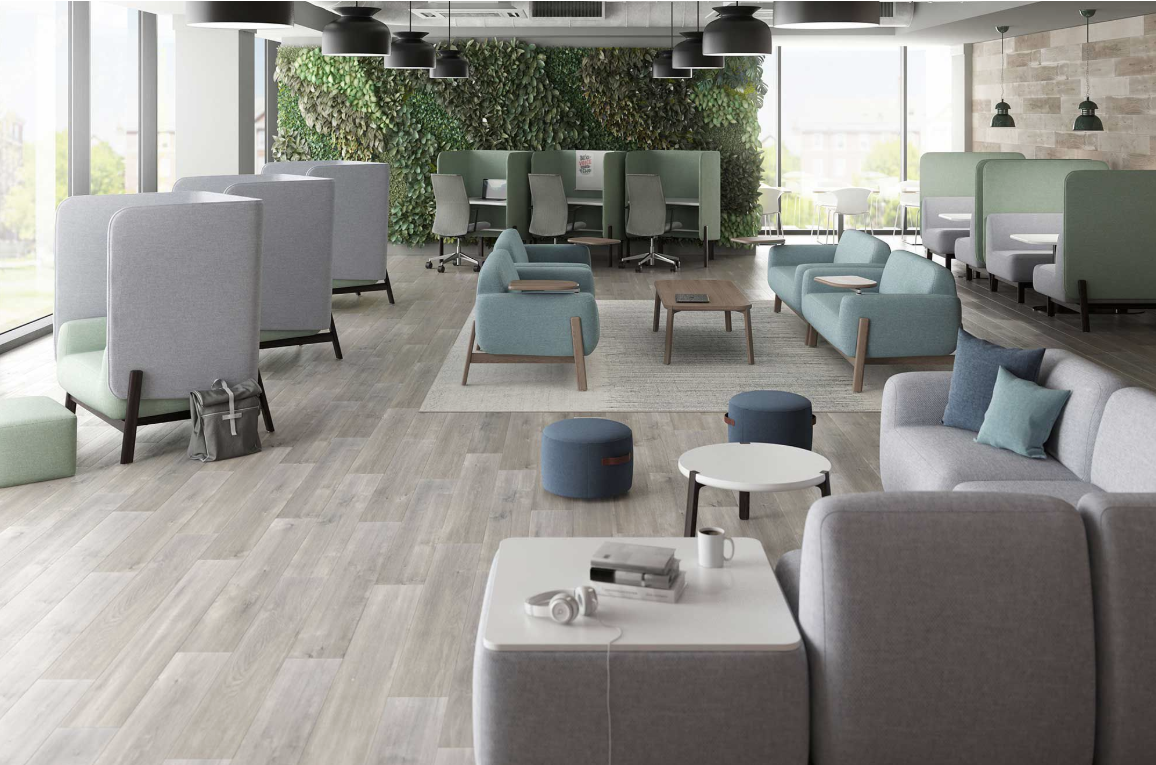
A lounge chair or a small sofa gives an executive office a second mode besides “sitting across a desk.” It works for one-on-one conversations that don’t need a formal meeting setup, and it gives visitors somewhere comfortable to sit while they wait. Poufs or ottomans add flexibility here too, since they can be moved around depending on how many people are in the room.
Seating for Small Meetings
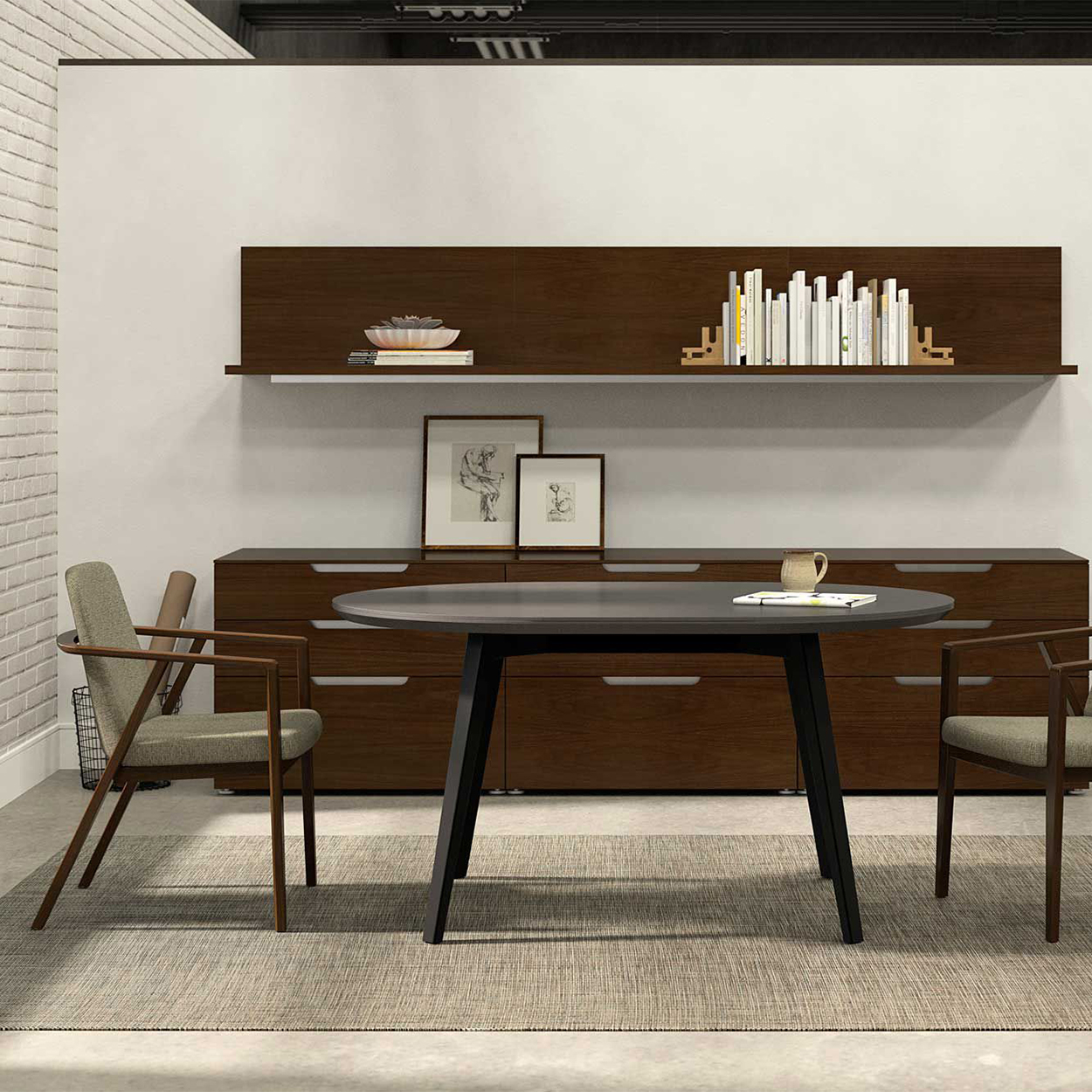
Most executive conversations happen with one or two other people, not a full boardroom. A small conference table paired with a couple of comfortable guest chairs gives an executive a spot for those meetings without needing to book a separate room. Movable chairs or a small sectional let the space adjust for a two-person conversation or a slightly larger group.
Making the Most of the Room
Benches along a wall or in an unused corner add extra seating without making the office feel crowded. This works especially well in smaller executive offices where floor space is limited but a second or third seat still needs to be available.
Pulling It Together
Mixing a few of these seating types, alongside a well-chosen high end executive desk, gives an executive office room to work in more than one way. Pacific Ergonomics can help you figure out which combination fits the room you have and how that office actually gets used day to day.
Learn More