25 Years of Expertise Serving Nationwide | Showroom by Appt Only: Escondido, CA · Mon–Fri 8:30am–5pm PST |

25 Years of Expertise Serving Nationwide | Showroom by Appt Only: Escondido, CA · Mon–Fri 8:30am–5pm PST |
A ten-minute wait feels twice as long in the wrong chair. We’ve specified waiting room seating for medical offices, corporate lobbies, and reception areas across San Diego County, and the same question always comes up: how long do people actually sit here, and who’s sitting in it? A pediatric waiting room needs different seating than a corporate lobby, and a space with longer average waits needs more support than one built for quick check-ins. Here’s a breakdown of the seating types available and what each one is actually built for.
The right seating shapes how a wait actually feels. A waiting room with the wrong chairs makes ten minutes feel like thirty. Here’s a breakdown of the seating types available and what each one is actually good for.
1. Traditional Waiting Room Chairs
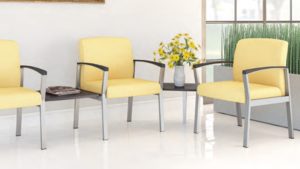
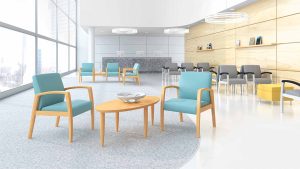
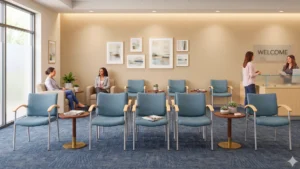
The most common choice in waiting areas, arranged in rows or small groups. Usually upholstered for comfort, with a range of colors and fabrics to match the space. Simple to maintain and easy to arrange.
2. Benches
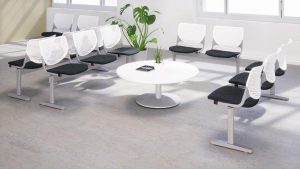
Benches work well in high-traffic waiting areas since they seat several people at once without taking up much floor space. Available in wood, metal, or plastic, with or without cushions, depending on how much comfort the space calls for.
3. Modular Seating
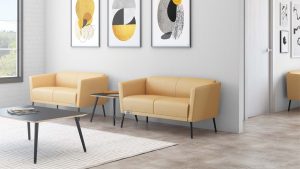
Modular seating reconfigures as visitor counts change throughout the day, which helps in spaces where occupancy swings between quiet stretches and busy periods.
4. Lounge Chairs
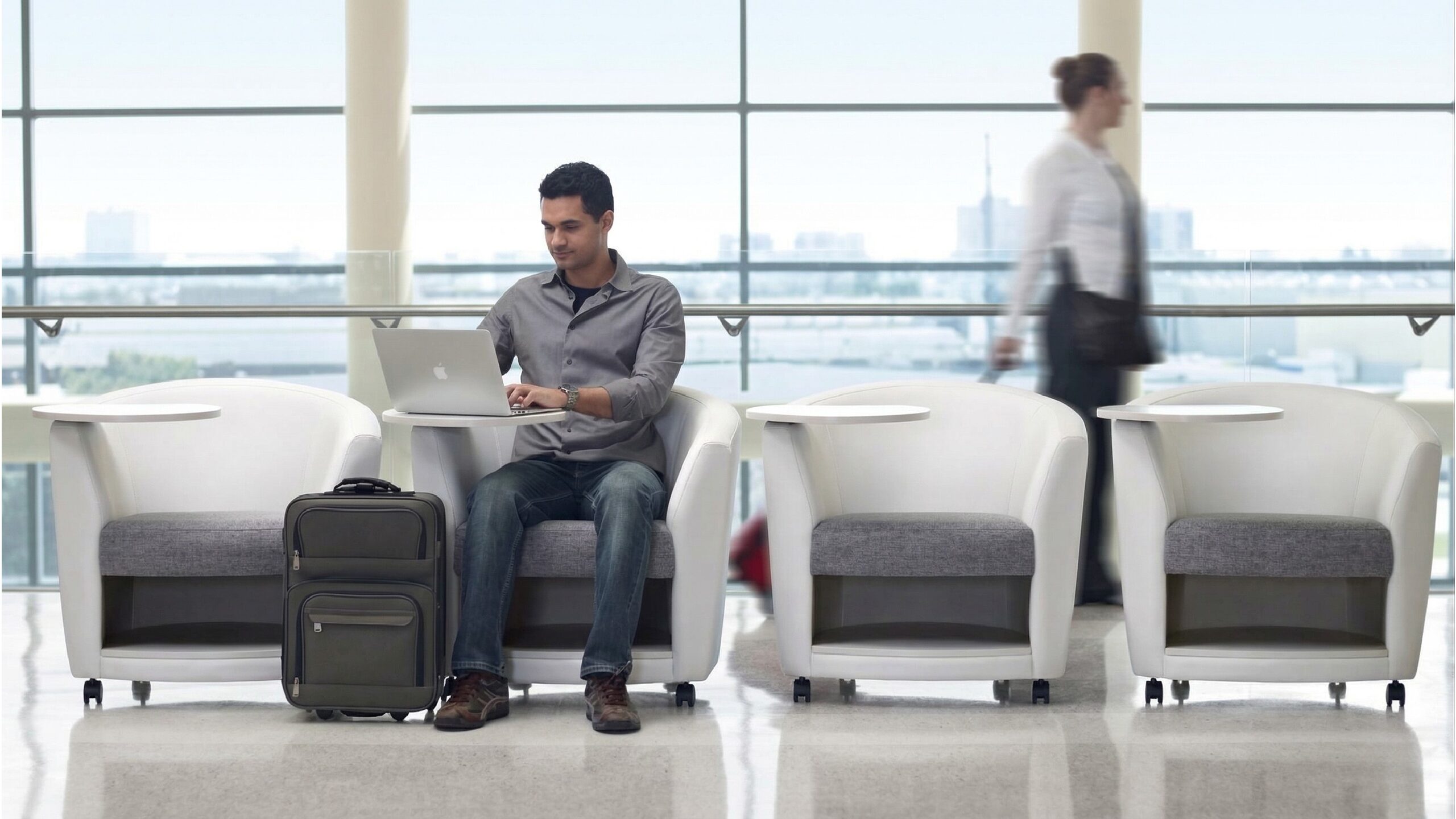
Lounge chairs add more padding, support, and sometimes a recline option. They work well in spaces where people tend to wait longer than a few minutes.
5. Stools and Bar-Height Seating
Stools and bar-height seating fit more casual, modern waiting areas and work best for shorter waits. The more upright posture also makes it easier for people to talk to each other while they wait.
6. Ottomans and Poufs
Ottomans and poufs move easily and can double as extra seating or a surface to set something down. They fit creative or casual waiting spaces well.
7. Specialty Seating
Specialty seating covers specific needs, like colorful chairs for a pediatric office or seating with extra support for elderly visitors. These options exist because not every waiting room serves the same kind of visitor.
Choosing the right mix of seating, and arranging it with how people actually move through the space in mind, makes the difference between a waiting room people tolerate and one that doesn’t feel like a wait at all.
Benches and traditional waiting room chairs work best in high-traffic spaces since they seat multiple people without taking up much floor space, and they’re simple to maintain between visitors.
Lounge chairs make sense when visitors typically wait longer than a few minutes. The extra padding and support make a real difference once a wait stretches past ten or fifteen minutes.
Yes, especially if visitor counts swing between quiet stretches and busy periods. Modular seating lets you reconfigure the space instead of permanently committing to one fixed layout.
Stools and bar-height seating fit shorter waits and more casual spaces. The upright posture also makes it easier for people to talk to each other while they wait.
Yes. Specialty seating covers needs like colorful chairs for pediatric offices or seating with extra support for elderly visitors, since not every waiting room serves the same kind of visitor.
It comes down to two things: how long people typically wait, and who’s waiting. A quick-check-in lobby has different needs than a clinic where visits run long, and a pediatric office has different needs than a corporate reception area.
Before you request a single quote, let us understand the business you are furnishing. A short discovery conversation tells us more than any spec sheet, and it is where every Pacific Ergonomics project begins.
"*" indicates required fields