
Ergonomic Lab Seating: The Overlooked Factor Driving Employee Turnover
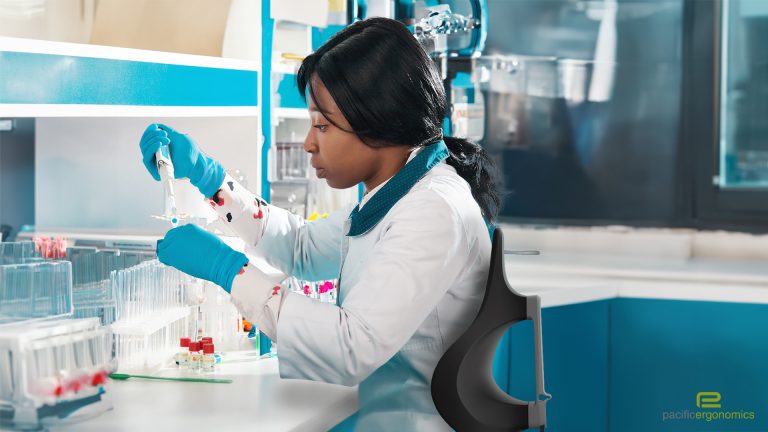
When lab employees leave, most assume it’s about pay, promotion, or location. But many labs miss a key contributor: physical discomfort caused by improperly applied ergonomic lab seating.
Imagine, if we had a stat like “89% of lab professionals told HR they went to work for another lab because they provided more comfortable chairs that made them feel better working. If that was the case, labs would act immediately. But without that data, the warning signs are often missed. I suggest that these questions should be asked when employees leave.
Discomfort Is Hard to Measure — But It Drives Resignations
Employees rarely say, “I’m leaving because of my uncomfortable chair.” Or I am leaving my company because I sit without any back support all day. Instead, they describe fatigue, burnout, or general discomfort.
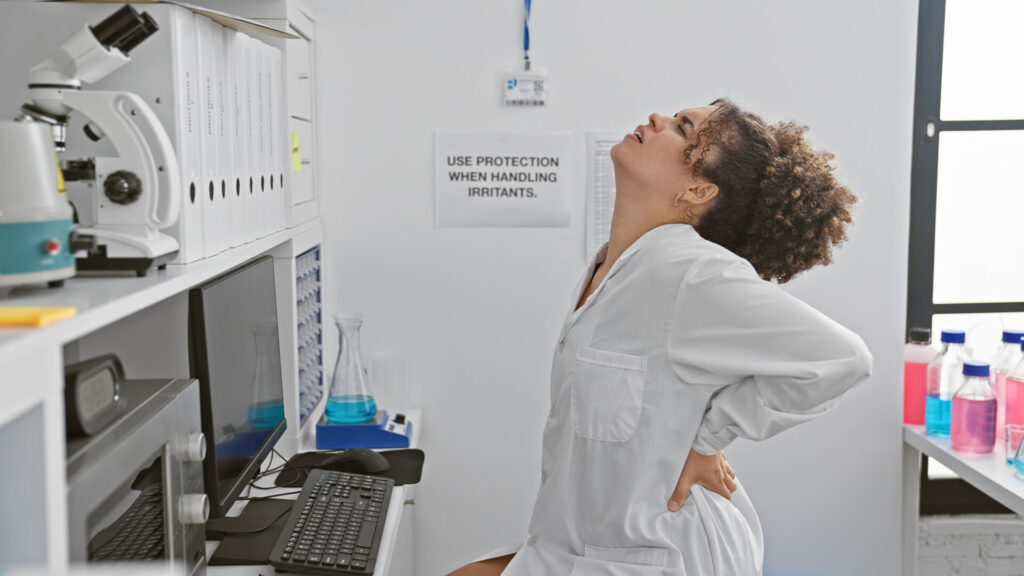
That’s because discomfort is cumulative — from poor seating, repetitive tasks, awkward work surfaces, and lack of adjustability.
Discomfort builds gradually — especially when technicians sit for long hours, lean into awkward positions, or use furniture that doesn’t fit their tasks.
The Work Institute’s 2024 Retention Report confirms that workplace conditions, including the physical environment, are a growing factor in voluntary turnover. Employees are far more likely to stay when their workspace supports health and comfort — yet most labs do not track or analyze discomfort-related factors.
The Real Problem: Misapplied Lab Seating — Not Just “Bad” Chairs
Many chairs that are labeled “ergonomic lab seating” are not, and even ones that are still cause problems. This is not because they’re poorly made, but because they’re applied incorrectly for the task and environment. Therefore, employees are not comfortable, can’t be as productive and ultimately don’t last at the company as long as a result.
Common missteps in ergonomic lab seating that affect employee well-being include:
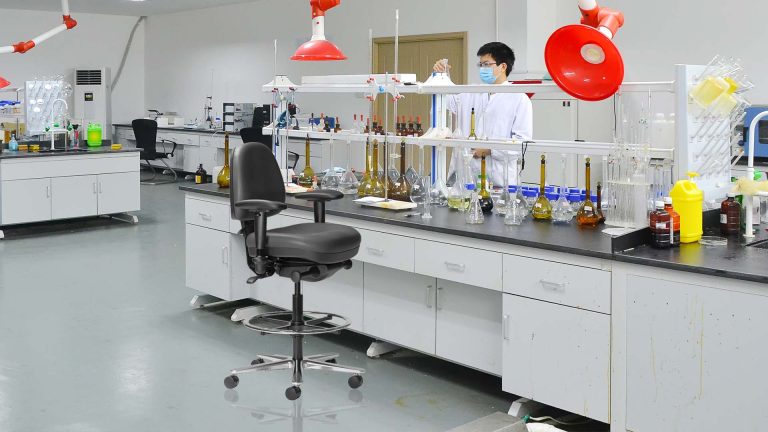
Not configuring the correct cylinder for the bench height
Overlooking how long the task takes
Buying the cheapest lab chair available
- Ordering in incorrect ISO 1-9 clean room chairs for your lab
Ordering the same chair as another department despite different tasks
Using one chair for all roles and users
- ESD chairs that are not configured correctly to support the bench height
Providing no training on chair adjustment
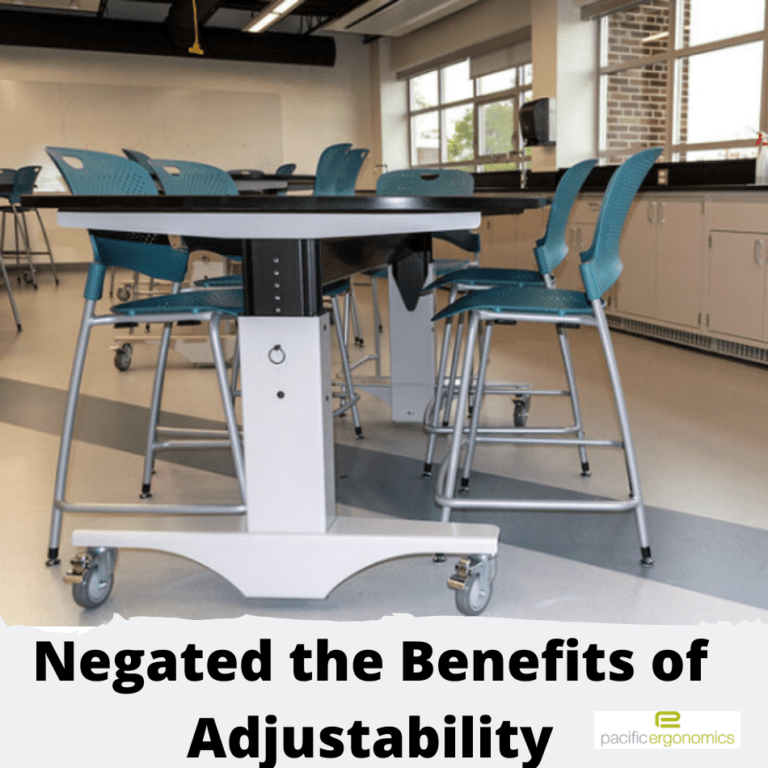
Choosing the wrong level or type of adjustability
Selecting incorrect materials for the seating environment
- Incorrect type of adjustability for the tasks
Even excellent ergonomic lab chairs won’t solve discomfort if they’re misapplied. Discomfort builds when employees are forced to adapt to their furniture instead of the furniture being selected and configured to support them.
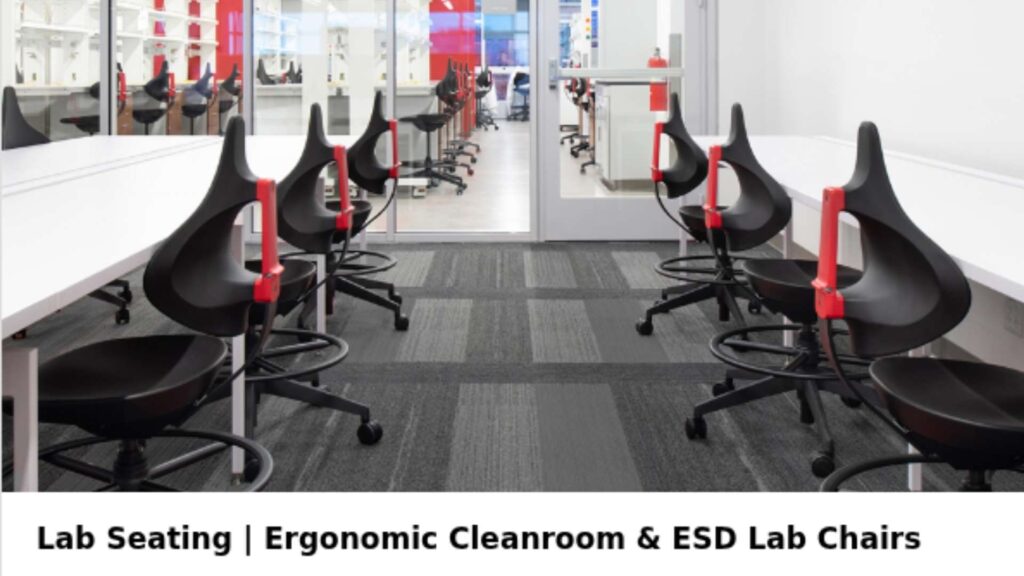
Ergonomic Lab Seating Isn’t “Good” or “Bad” — It’s About Context
For example, a forward‑leaning chair might work well at a fume hood for brief, precise tasks — but be unsuitable for longer sessions requiring back or arm support. It must also be configured correctly for the bench height and type of work being done.
It’s not about labeling a chair as “right” or “wrong” — it’s about context and application.
That’s why we ask:
What kind of tasks are being done?
How long is the chair used?
Who uses it — and how often?
What is the environment (cleanroom, ESD, etc.)?
This strategic approach reduces discomfort, improves retention, and protects your investment.
The Right Ergonomic Lab Seating Solution Starts with Understanding the Work
Too often, labs start by shopping for chairs instead of examining the work itself.
The better approach:
Understand the task, duration, and bench setup
Identify user needs and environmental requirements
Work with an expert to apply the right seating solution
When applied correctly, ergonomic lab seating improves comfort, focus, retention, and safety.
Our Specialty: Matching the Right Ergonomic Lab Seating to the Real-World Needs of Your Team
At Pacific Ergonomics, we don’t just sell chairs — we specialize in helping labs choose and apply the right seating solution based on actual workflow, user needs, and compliance requirements.
We support:
✅ Cleanroom chairs (ISO-rated, easy-clean finishes)
✅ ESD-safe ergonomic seating for static-sensitive environments
✅ General lab seating tailored to your people and your bench setups
With deep expertise in ergonomic seating strategy, human factors, and ergonomic lab layout, we guide you from analysis to implementation — so your investment actually solves the problem.