Modern Office Design: Creating Spaces People Love to Work In
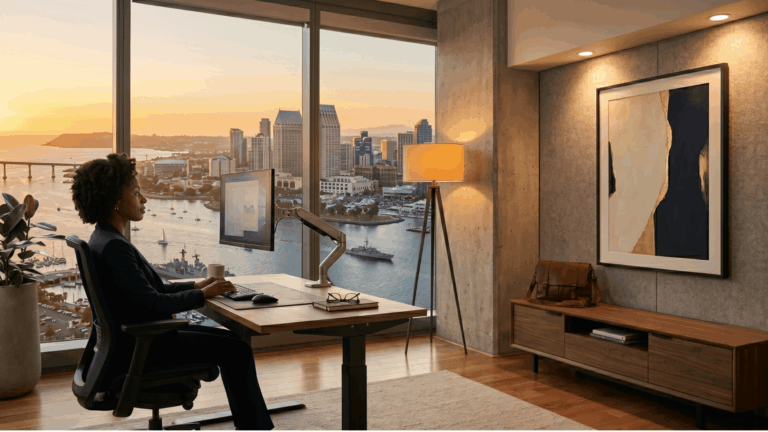
The era of static layouts, uncomfortable furniture and bland cubicles is over. Modern office design merges form and function. The trend is clear: workspaces should feel good and look good — they must be healthy, functional, and visually appealing.
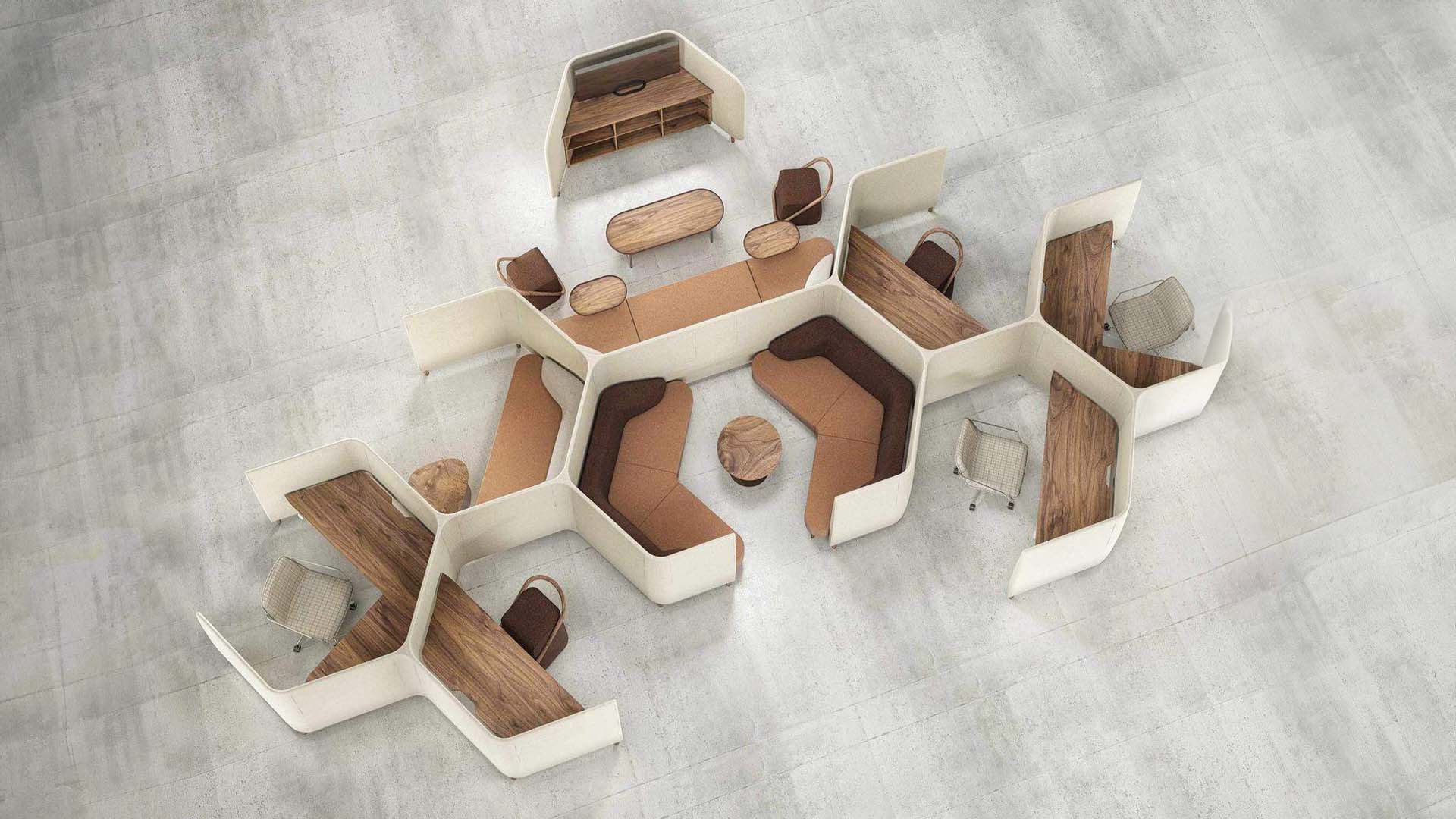
From modular benching systems to ergonomic lounge zones, forward-thinking companies are creating offices that enhance both wellness and workflow. Office design is no longer just aesthetic — it’s strategic.
Project Managers, ergonomic consultants, and department leaders should collaborate to create tailored modern office furniture solutions that support current needs and future flexibility. This is the modern office design trend that is helping organizations across the U.S. create happier, healthier and more loyal work teams.
Modern Office Design Choices Directly Impacts Productivity
Ergonomic, comfortable modern office furniture applied correctly to suit the needs of a specific work area reduces fatigue and distractions. Whether it’s a well-adjusted task chair or a thoughtfully designed conference space, furniture directly affects your team’s ability to focus and perform.
???? Did you know? A recent study by the American Society of Interior Designers found that 90% of employees believe better workplace design—especially ergonomic furniture—boosts productivity.
Modern Office Design Can Attract Top Talent
People want to work in places that feel vibrant and inspiring. When job candidates step into your office, your furniture and layout say a lot about your culture.
A well-designed workspace can be the deciding factor in attracting and retaining top talent.
The Impact: Poor Modern Office Design = Poor Results
When furniture isn’t chosen strategically, the result is wasted potential. Even though companies spend money, often the commercial office furniture either works against their goals — or simply doesn’t help as much as it could. The result? Missed opportunities for better performance, engagement, and retention.
For example:
Bar stools in a collaborative area might be selected for price and aesthetics, but with no back support, no one actually wants to sit there because it is uncomfortable. Within a year, the company ends up replacing them — doubling the cost and losing the chance to create a truly inviting space from the start.
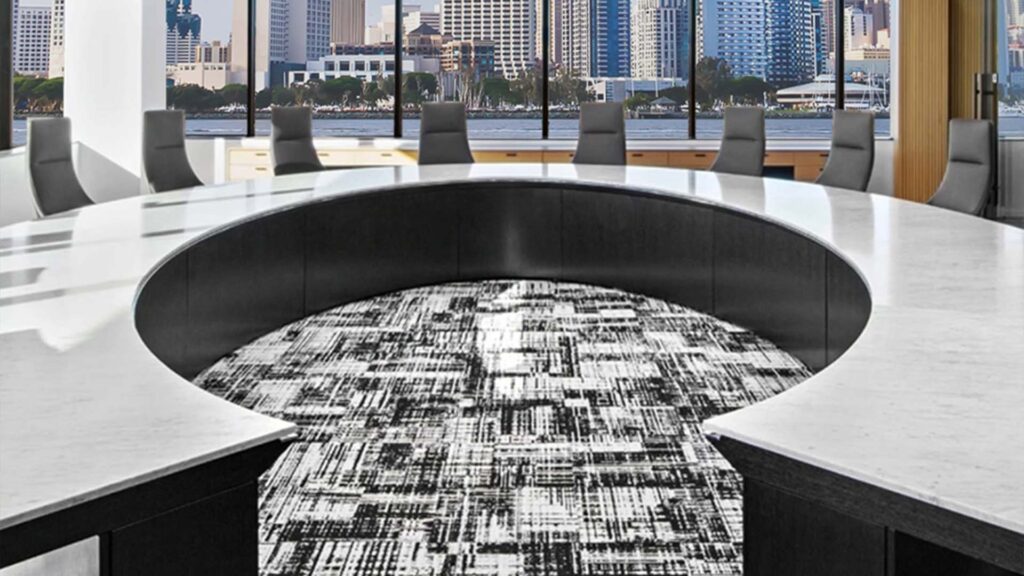
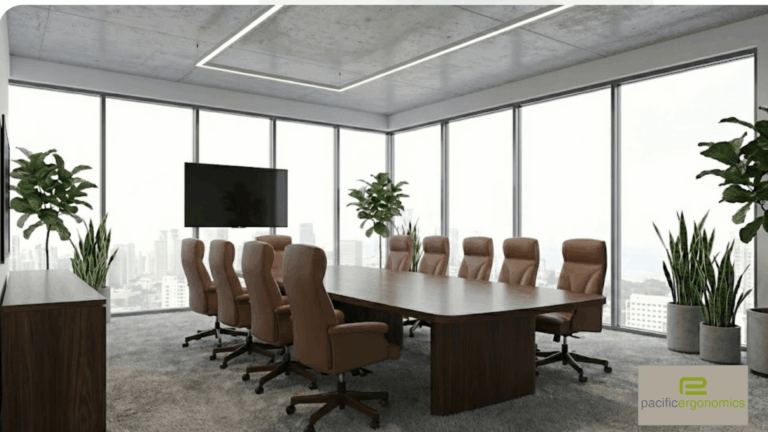
Conference tables without built-in cable management can quickly become cluttered with cords and adapters, distracting from meetings and making technology harder to use. If technology integration was added the first time around this could have been avoided.
Non-adjustable chairs in a hybrid workspace lowers the chance of any chair fitting any employee well.This leads to ergonomic discomfort request, increased mod rate, increased risk of MSD disorders and additional replacement costs.
Each of these scenarios could have been avoided by aligning furniture choices with how people actually work — not just how the space looks on day one.
The Solution: Strategic Modern Office Design
Strategic modern office design goes beyond choosing attractive furniture. It’s the intentional planning of a workspace so that every element — from desks to lounge seating to lighting — supports how people work today and tomorrow.
At its core, modern office design combines:
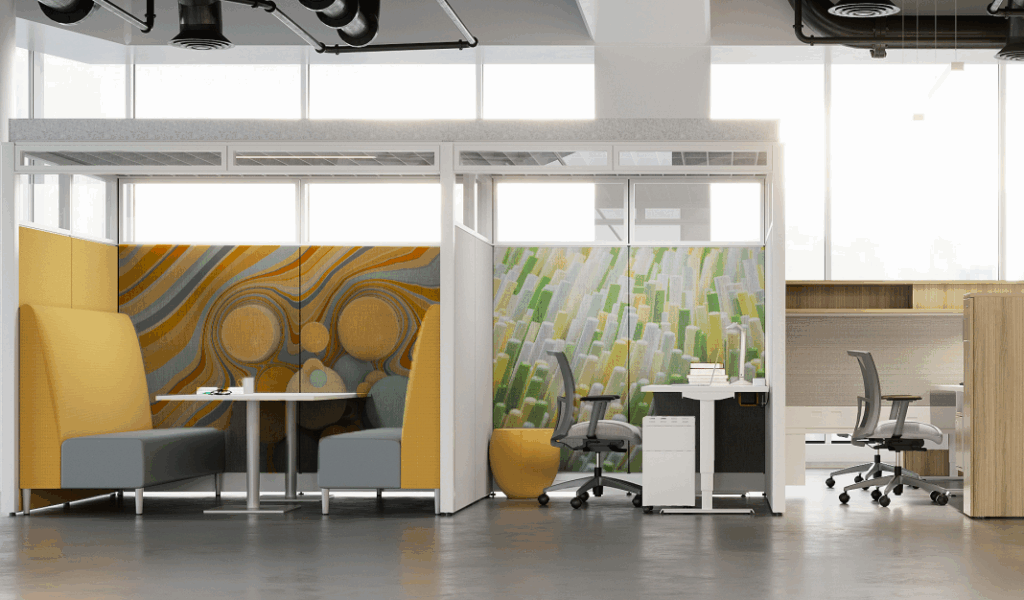
Functionality: Spaces are planned to make work easier and more efficient, with the right mix of private focus zones, collaborative meeting areas, and open social spaces.
Ergonomics: Furniture choices prioritize health and comfort, reducing strain and fatigue so employees can focus longer and work more effectively.
Flexibility: Modular, mobile, and adjustable pieces allow for quick reconfiguration to support hybrid work schedules, team expansions, or new workflows.
Aesthetics: Clean lines, inviting finishes, and thoughtful color palettes create an environment that feels inspiring and on-brand.
Technology Integration: Workstations, meeting rooms, and collaborative spaces are designed with built-in power, data, and cable management so technology enhances rather than clutters the space.
In other words, modern office design is not about filling a room with furniture — it’s about aligning your physical environment with your company’s culture, workflow, and goals.
When strategic thinking drives design, the result is a workspace that looks professional, feels comfortable, and functions so well that it actively supports productivity, innovation, and employee well-being.
The Benefits: What You Gain From Modern Office Design
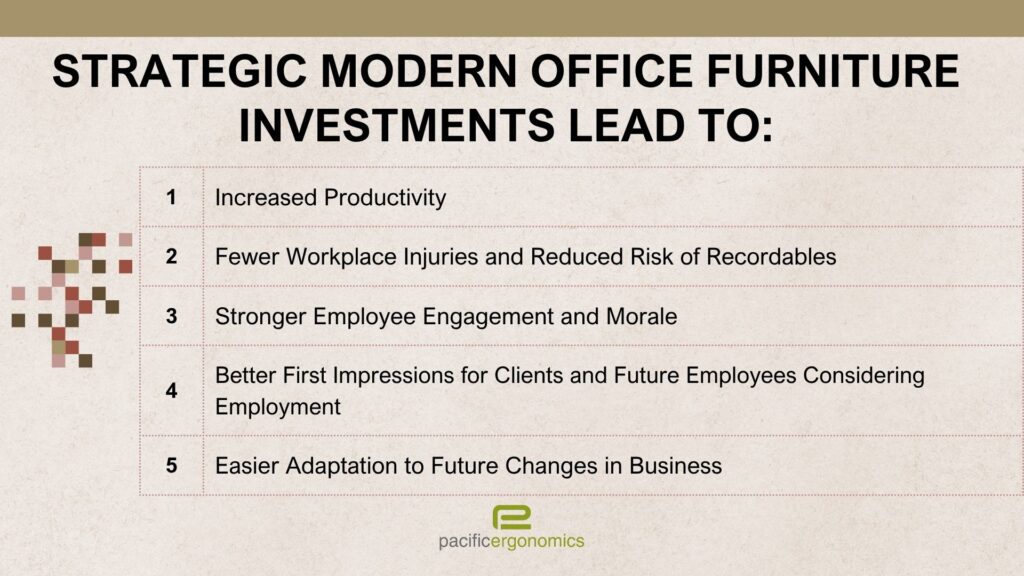
When your modern office furniture is aligned with your goals, the benefits are far-reaching:
Increased productivity and focus across teams by reducing distractions and discomfort.
Fewer workplace injuries and less fatigue, which can lower workers’ compensation claims and reduce sick days.
Stronger employee engagement and morale, leading to higher retention and reduced turnover costs.
Better first impressions for clients and candidates, reinforcing your brand’s professionalism and culture.
Easier adaptability to hybrid and evolving work models without expensive, disruptive redesigns.
Reduced replacement costs by selecting durable, ergonomic furniture from the start instead of replacing low-quality pieces within a year or two.
Time savings for teams and facilities staff by eliminating the need for frequent reconfigurations or problem-solving around poorly chosen furniture.
Streamlined procurement when you work with an expert partner, reducing the trial-and-error phase and speeding up project timelines.
When you invest in strategic modern office design, you’re not just improving the look and feel of your workspace — you’re building a smarter, more cost-efficient environment that supports growth for years to come.
Client Example: From Disjointed to Dynamic
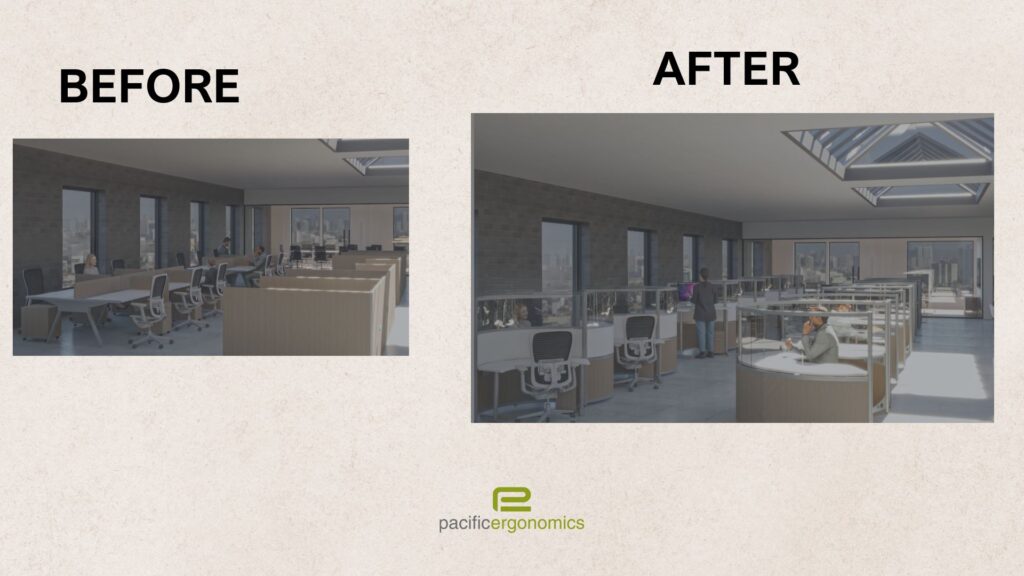
One of our clients had just leased a beautiful new space — but employee engagement was dropping. They brought their old cubicles into the new environment, and it didn’t help the look or feel of the space. Everything felt disjointed.
To make matters worse, their collaborative area had tall stools chosen mainly for price and style — but with no back support, employees avoided them. The space that was intended for quick, energetic brainstorming ended up sitting empty.
They decided to replace both the cubicles and the seating with rounded, modern workstations and ergonomic collaborative chairs that complemented the new layout. The effect was immediate — the entire space felt more open, welcoming, and dynamic. Morale improved, the collaborative area was finally in use, and the refreshed environment began attracting stronger candidates. Employees became more enthusiastic about coming in, and the company started drawing top-tier talent again.
Your Office Reflects Your Culture
Client Example: One of our clients had just leased a beautiful new space—but employee engagement was dropping. They brought their old cubicles into the new environment, and it didn’t help the look or feel of the space. Everything felt disjointed.
They decided to replace them with rounded, modern workstations that complemented the new layout. The effect was immediate—the entire space felt more open, welcoming, and dynamic. Morale improved, and the refreshed environment began attracting stronger candidates. Employees became more enthusiastic about coming in, and the company began attracting top-tier candidates again.
Tips to Make Strategic Modern Office Design Decisions
Involve your team early — get input from those who will use the space every day.
Focus on function first, then aesthetics.
Evaluate how each piece supports comfort, productivity, and flexibility.
Design for hybrid and growth: choose modular and adjustable options.
Partner with experts who understand both design and ergonomics.
Most call center floors look the same. Low panels, grey fabric, fluorescent overhead lighting, narrow aisles that feel like corridors in a building nobody chose to be in. Agents know it. Managers know it. And somewhere in the back of every leader’s mind is the nagging question of whether the space itself is part of…
Conference room chair spacing is one of the most overlooked factors in conference room design. The table gets all the attention. But the chair determines how many people actually fit around it. A 12-foot conference table does not automatically seat 12 people. It might seat 10 with executive chairs. Or 14 with armless side chairs….
True ergonomic office furniture selection is not a clinical compromise. It is a measurable strategic asset that drives cognitive performance, talent retention, and risk mitigation across the workforce. Your workspace is the most tangible signal of your corporate culture. But if your ergonomic office furniture only looks good in a brochure, you are actively sabotaging…
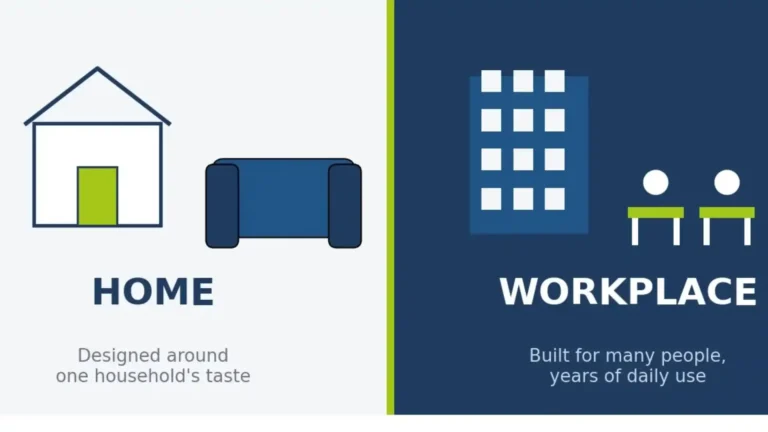
The Short Answer Commercial grade furniture is built to hold up to daily use by many different people over years of service, and it’s tested and warrantied to prove it. Commercial grade furniture and the furniture you buy for your home can look alike on the showroom floor. They’re built for very different jobs. We’ve…
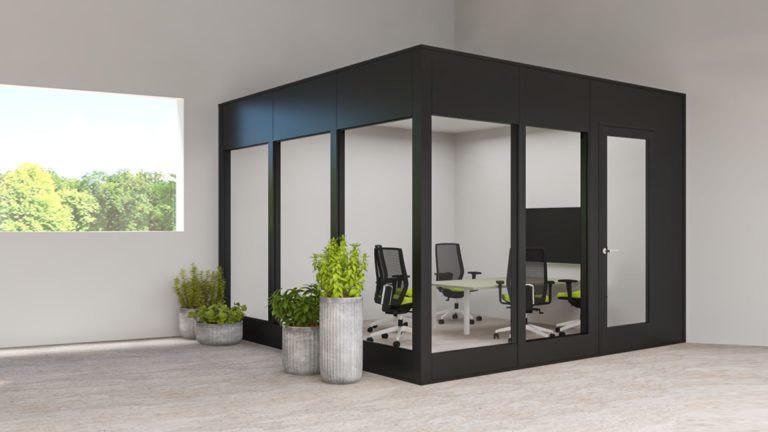
Demountable glass walls are a practical and affordable solution when it comes to dividing large spaces into smaller sections. These walls are made up of individual acoustic panels with glass that can be easily dismantled, moved, and reinstalled without any damage to the surrounding infrastructure. When compared to drywall, modular glass walls are less expensive,…
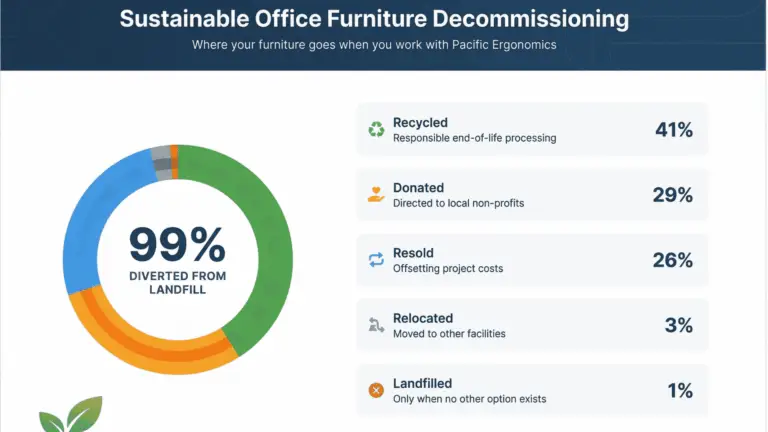
Every year, 8.5 million tons of office furniture end up in landfills across the United States. That number comes from the Environmental Protection Agency. It costs American businesses over $450 million annually just in landfill tipping fees. Let that sink in………………80% of decommissioned commercial furniture goes straight to a dump. This is staggering. Why Companies…